
A restaurant can have skilled employees, quality ingredients, and an attractive dining environment, yet still struggle with inconsistent performance. The reason often lies in small management gaps that develop during everyday operations. Missed instructions, unclear responsibilities, delayed follow ups, incomplete inspections, and poor shift coordination can gradually affect service quality and employee productivity. These issues become more difficult to control when managers depend on memory and informal communication to organize their teams.
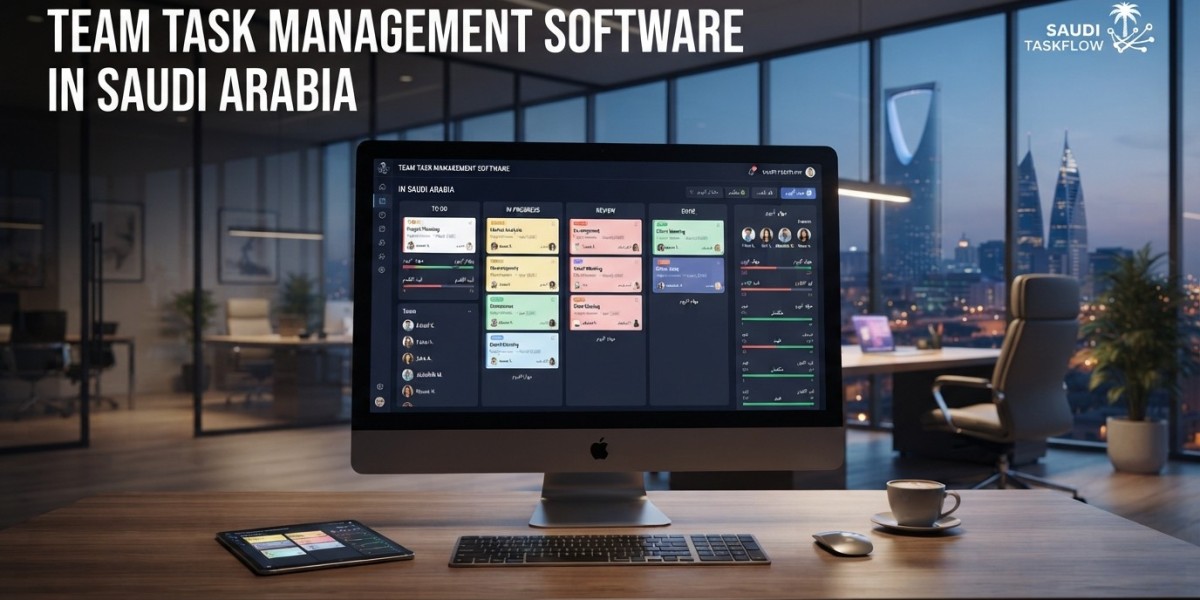
For restaurants operating in a competitive environment, team task management software in Saudi Arabia can support a more organized approach to daily responsibilities. By providing clear assignments, deadlines, and progress updates, businesses can improve coordination and reduce the operational problems that often go unnoticed until they affect customers.
The Small Management Gaps Behind Daily Restaurant Problems
Restaurant management involves coordinating several activities at the same time. Managers must monitor employees, oversee food preparation, maintain cleanliness, check inventory, handle customer concerns, and ensure that operational procedures are followed.
The difficulty is that these responsibilities are interconnected. A delay in one area can create pressure in another. If the kitchen is not properly prepared before a busy period, service employees may experience delays. If stock information is outdated, managers may struggle to plan purchasing requirements.
Many of these problems do not begin with major mistakes. They develop when small responsibilities are overlooked repeatedly.
Unclear Employee Responsibilities
Employees need to understand exactly what they are expected to complete during their shifts. When responsibilities are communicated vaguely, workers may assume that another team member is handling a particular activity.
For example, a supervisor may ask employees to prepare the dining area without assigning specific sections. Some tables may be checked several times, while others remain unattended.
Clear task ownership helps prevent this situation. Every responsibility should have an assigned person or team, along with a clear expectation of what completion means.
Inconsistent Daily Inspections
Restaurants require regular inspections of workstations, food storage areas, equipment, and customer spaces. However, inspections can become inconsistent when managers rely on verbal reminders.
One shift may complete every required check, while another may overlook certain activities because employees are occupied with immediate responsibilities.
A structured inspection schedule helps ensure that important checks are performed consistently rather than depending on individual memory.
Delayed Follow Ups
Managers frequently need to follow up on maintenance requests, stock shortages, cleaning activities, and unfinished assignments. When there is no reliable record of these responsibilities, they may need to contact employees repeatedly.
This creates additional administrative work and takes attention away from supervising restaurant operations.
Why Shift Changes Create Management Difficulties
Restaurants often operate with different employees throughout the day. Morning, afternoon, and evening teams may share equipment, workstations, inventory, and customer responsibilities.
A smooth handover is essential because unfinished activities must be communicated to the incoming team.
Incomplete Handover Information
An outgoing employee may know that a refrigerator requires inspection or that a particular ingredient is running low. If this information is not recorded or communicated properly, the incoming team may remain unaware of the issue.
This can lead to repeated checks, delayed decisions, or operational disruptions.
Unfinished Tasks Lose Visibility
When employees change shifts, responsibilities can become disconnected. A task assigned during the morning may remain incomplete by the evening, especially when there is no documented status update.
Managers need a consistent way to identify unfinished activities and make sure they are transferred to the appropriate employee.
Different Working Methods Across Shifts
Employees may develop different approaches to cleaning, preparation, and closing procedures. Without standard instructions, the quality of daily operations can vary depending on which team is working.
Consistent checklists and documented procedures help establish common expectations across shifts.
The Effect of Poor Team Coordination on Customer Experience
Customers experience the results of restaurant management through service speed, food availability, cleanliness, and employee responsiveness.
A restaurant may have excellent staff, but poor coordination can prevent them from delivering a consistent experience.
For example, service employees may not receive timely information about unavailable menu items. Kitchen staff may be waiting for ingredients that were not prepared earlier. Cleaning employees may not know which dining areas require attention before new customers arrive.
These situations create avoidable delays and can make the restaurant appear disorganized.
Better team coordination helps employees share information, understand priorities, and complete responsibilities in the correct sequence. It also allows managers to identify operational problems before they become noticeable to customers.
How Team Task Management Software in Saudi Arabia Supports Daily Operations
Restaurant managers need a practical way to organize employees and monitor routine activities without spending the entire shift checking on individual assignments. Team task management software in Saudi Arabia can help establish a shared system for distributing responsibilities and reviewing their progress.
Instead of depending entirely on verbal instructions, managers can organize work through documented tasks with clear ownership and expected completion times.
Organizing Responsibilities by Department
Different restaurant departments have different operational requirements. Kitchen employees handle preparation and equipment checks, service teams manage customer-facing activities, and cleaning personnel maintain hygiene standards.
A task management platform can help supervisors assign responsibilities according to departments and employee roles. This makes expectations clearer and reduces confusion about which team should handle a particular activity.
Creating Standard Daily Checklists
Many restaurant responsibilities follow predictable schedules. Opening procedures, workstation preparation, cleaning inspections, stock reviews, and closing activities need to be completed regularly.
Digital checklists can help managers organize these responsibilities and make them available to the relevant employees.
Recurring assignments also reduce the need to create the same task lists manually every day.
Setting Clear Deadlines and Priorities
Employees may need to complete several responsibilities within a limited period. Without clear priorities, they may focus on less urgent activities while important tasks remain pending.
Digital assignments can include deadlines and priority levels. This helps employees understand which activities require immediate attention and how their work should be organized.
Monitoring Progress Across the Team
Managers cannot observe every employee continuously, especially during busy service periods. A shared task tracking system provides visibility into pending, completed, and overdue responsibilities.
Supervisors can identify unfinished work and take action where necessary without repeatedly interrupting employees for updates.
Maintaining Records of Completed Activities
Documented task history helps managers review whether responsibilities are being completed consistently.
If a particular inspection is frequently missed, management can investigate whether the schedule is unrealistic, instructions are unclear, or employees need additional training.
This turns task records into a useful source of operational information rather than simply a list of completed activities.
Reducing Pressure on Restaurant Supervisors
Restaurant supervisors often perform several roles simultaneously. They monitor employees, handle customer concerns, coordinate kitchen activities, review stock requirements, and respond to unexpected problems.
When routine responsibilities are not organized, supervisors spend more time reminding employees and checking basic activities.
A structured task management process can reduce some of this administrative pressure. Once responsibilities and deadlines are documented, supervisors can focus more attention on operational decisions, staff support, and service quality.
This does not remove the need for human supervision. Instead, it gives managers better information and a clearer way to organize their time.
Using Daily Task Information to Improve Restaurant Performance
Task records can reveal patterns that are difficult to recognize through occasional inspections or informal discussions.
For example, managers may notice that closing activities regularly take longer than expected. Another restaurant may experience repeated delays in equipment inspections, while a particular shift frequently leaves preparation tasks unfinished.
These patterns can help management identify the underlying reasons behind inconsistent performance.
Useful indicators include:
Overdue tasks: Shows which responsibilities are regularly delayed.
Completion rates: Helps managers review whether scheduled activities are being completed.
Repeated missed inspections: Highlights areas where procedures may need improvement.
Shift handover issues: Reveals whether important responsibilities are being communicated properly.
Task distribution: Helps identify whether workloads are concentrated among particular employees.
Recurring operational problems: Provides evidence of activities that require additional attention.
Managers should interpret these indicators in context. A high number of unfinished tasks may reflect understaffing, unexpected customer demand, or unrealistic schedules rather than poor employee performance.
Maintaining Consistency Across Multiple Restaurant Locations
Restaurant groups face additional challenges because every branch has its own employees, supervisors, and daily operating conditions.
Head office management may establish standard procedures, but ensuring that every location follows them requires a reliable coordination process.
A centralized task management approach can help businesses distribute common responsibilities across branches while allowing local managers to handle location-specific requirements.
For example, all branches may follow the same opening and closing procedures, while individual locations receive additional assignments based on their equipment, staffing, or operating schedules.
This creates greater consistency without ignoring the practical differences between restaurant locations.
What to Consider When Selecting a Team Task Management Solution
Choosing the right platform requires an understanding of how restaurant employees work. A system should simplify daily responsibilities rather than create additional administrative steps.
Several capabilities deserve attention.
Easy task assignment: Managers should be able to assign activities to individuals or departments.
Recurring schedules: Daily and weekly responsibilities should be easy to organize.
Progress monitoring: Supervisors should be able to review pending and completed work.
Clear deadlines: Employees should understand when each task needs to be finished.
Task history: Managers should be able to review previous assignments and identify repeated problems.
Multi location support: Restaurant groups may need centralized visibility across several branches.
Simple interface: Employees should be able to understand instructions and update progress without complicated procedures.
The platform should also support the restaurant's existing workflows and be practical for employees with different levels of technical experience.
Building Better Daily Management Practices
Restaurant performance is influenced by many small decisions and activities that take place throughout the working day. When responsibilities are unclear, inspections are inconsistent, and shift handovers are poorly managed, these small gaps can gradually affect service quality and operational efficiency.
Team task management software in Saudi Arabia gives restaurant businesses a structured way to assign duties, monitor progress, and maintain better coordination between employees. It helps managers move away from repeated verbal reminders and develop a more consistent approach to everyday operations.
Strong restaurant management does not depend on constant supervision of every activity. It depends on clear processes, reliable communication, and employees who understand their responsibilities. When daily tasks are properly organized, restaurant teams can work more efficiently and deliver a more consistent experience to customers.