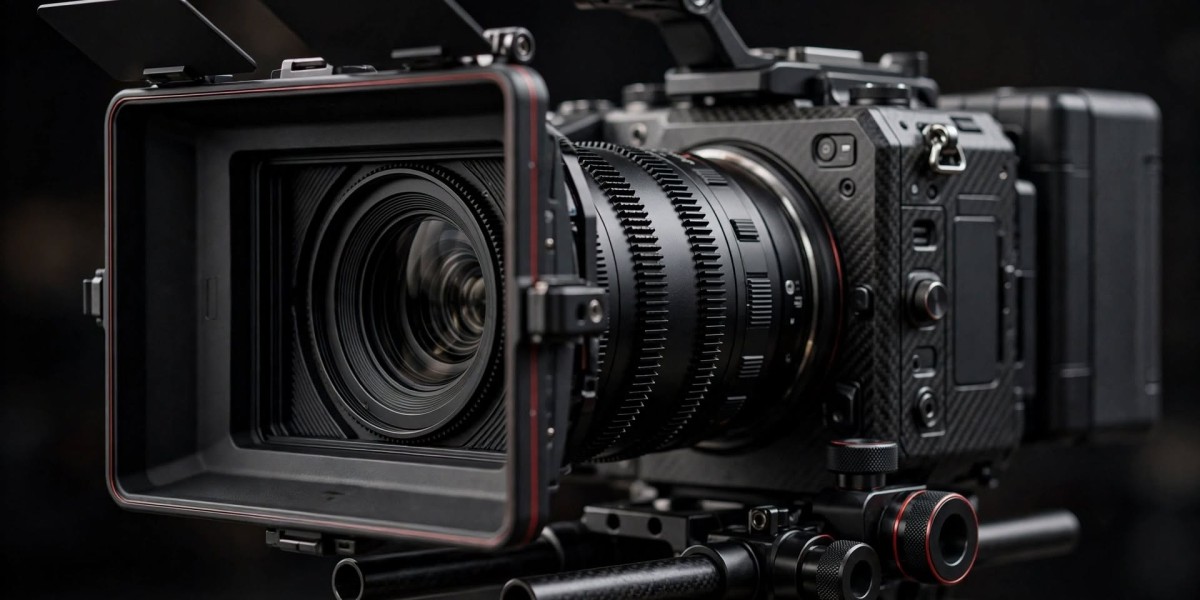

Aerial photography gives businesses a fresh way to present places, properties, landscapes, and large projects. Instead of showing a subject only from the ground, it reveals its surroundings, scale, and visual character from above. Understanding the principles of aerial photography helps businesses plan images that communicate a clear message rather than simply capture attractive views. With the right camera angle, altitude, lighting, and composition, aerial images can make marketing campaigns more engaging and informative. However, strong results depend on preparation, technical knowledge, safe flying practices, and a clear creative purpose.
Understanding the Value of an Aerial Perspective
Aerial photography changes how viewers understand a location. A ground-level photograph may show the entrance of a hotel, for example, but an elevated image can reveal its complete layout, swimming pool, nearby beach, parking area, and surrounding attractions. This wider perspective helps potential customers understand the location before visiting.
Businesses can use drone photography to communicate information that ordinary photography may not show clearly. Property developers can present the size of a residential community, while construction companies can document site progress. Tourism brands can show the relationship between resorts, beaches, roads, and natural landscapes.
An aerial photograph should always serve a purpose. Before arranging a shoot, photographers need to identify the main subject, the intended audience, and the message the image should communicate. This planning helps avoid unnecessary footage and keeps the final content focused.
Choosing Altitude, Angles, and Composition
Altitude has a direct effect on the appearance of an aerial image. Flying at a lower height can reveal details such as building entrances, landscaping, roads, and architectural features. A higher viewpoint can show the complete property, nearby infrastructure, and its relationship with the surrounding area. The correct height depends on the subject and the objective of the shoot.
Camera angle is equally important. Vertical photography points the camera directly downwards and works well for maps, site layouts, patterns, and construction documentation. Oblique photography uses an angled view to show depth, buildings, and the horizon. Both approaches can be useful within one project.
Composition gives an aerial image visual balance. Roads, coastlines, building lines, and shadows can guide the viewer's attention towards the main subject. The rule of thirds, symmetry, leading lines, and natural patterns help create organised frames. Photographers should also check the edges of each frame to avoid distracting objects that weaken the image.
Lighting, Weather, and Technical Preparation
Natural light can change the mood and clarity of aerial photography. Early morning and late afternoon often provide softer light, warmer colours, and longer shadows. These conditions can reveal the shape of buildings and landscapes without the harsh contrast associated with strong midday sunlight.
Weather conditions must be checked before every flight. High winds can make a drone unstable, while dust, humidity, and heat can affect visibility and equipment performance. In the UAE, heat haze may reduce distant detail, so choosing a suitable shooting time is particularly important.
Equipment preparation also affects the final result. A stable drone, a capable camera sensor, suitable lenses, and neutral density filters can help control exposure. Photographers should select appropriate shutter speeds, ISO settings, and image formats according to the scene. Capturing RAW photographs can preserve more editing flexibility, while careful video settings support smoother footage.
Safety, Permissions, and Responsible Drone Operation
Professional aerial work requires more than operating a drone successfully. Operators must understand local aviation requirements, restricted areas, and the permissions needed for a specific location. In Dubai and the wider UAE, drone registration and relevant approvals may be required. Rules can vary according to location and activity, so operators should verify current requirements with the appropriate authorities before flying.
A responsible operator checks the flight area for people, buildings, power lines, vehicles, and other obstacles. They should assess wind conditions, battery levels, signal strength, and emergency landing options. Flights should never be attempted in restricted airspace or unsafe conditions simply to capture a particular angle.
Privacy is another important consideration. Photographers should respect property boundaries and avoid recording people or private spaces without proper permission. Following safety procedures protects the public, the equipment, and the project schedule.
Business Applications and Professional Production
Aerial photography supports several industries because it combines visual appeal with useful information. Real estate companies use drone images to show property layouts, views, amenities, and nearby facilities. Construction teams capture progress over time and share visual updates with clients and project stakeholders.
Tourism businesses use aerial footage to present beaches, resorts, deserts, and attractions. Event organisers can show venue layouts, crowd scale, and the atmosphere of large gatherings. Advertising and film productions use aerial establishing shots to introduce locations and create a stronger sense of scale.
Surveying and infrastructure teams may use specialised aerial imaging for mapping, inspection, and documentation. These tasks can require accurate planning, suitable sensors, and trained operators. For marketing projects, the production process may also include editing, colour grading, music, and a clear visual sequence. Working with an experienced production team helps connect the aerial material with the wider campaign.
Conclusion
Aerial photography becomes more effective when creative decisions are supported by technical preparation and responsible operation. Altitude, perspective, composition, lighting, and weather all influence the quality of the final image. Businesses should also consider the purpose of each shot, the audience, location permissions, and the formats needed for publication. A professional media production company can bring aerial footage together with filming, editing, and visual storytelling to create consistent brand content. Choosing a capable media production company helps businesses turn drone images into useful communication assets rather than isolated views.
FAQs
1. What is the main purpose of aerial photography?
Its main purpose is to capture subjects from above and reveal their scale, layout, surroundings, and relationship with nearby features.
2. Which camera angle is best for aerial photography?
The best angle depends on the objective. Vertical shots suit mapping and layouts, while oblique shots are useful for buildings, landscapes, and cinematic views.
3. When is the best time to capture aerial images?
Early morning and late afternoon often provide softer light and better visual depth. Weather and location conditions should also guide the schedule.
4. Can businesses use drone photography for marketing?
Yes. Businesses use aerial photographs and videos for property listings, tourism campaigns, construction updates, events, and promotional content.
5. Do drone operators need permission in the UAE?
Drone registration and flight approvals may be required, and some locations have restrictions. Operators should check current rules before every project.










