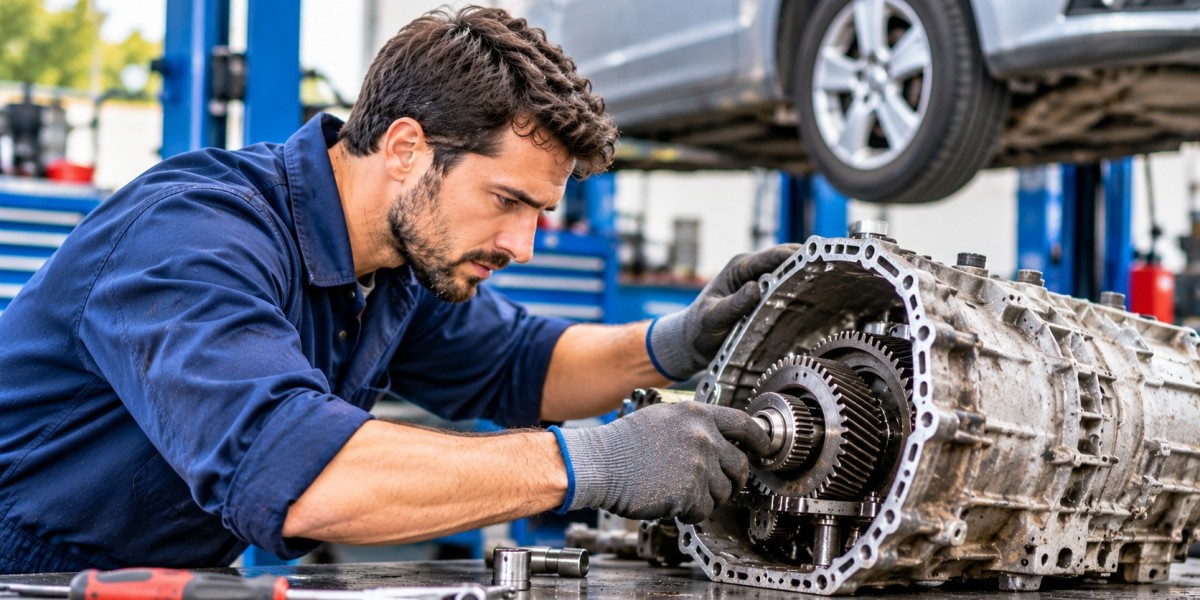

Few car problems cause as much worry as a gearbox that slips on the motorway or refuses to move at the lights. Many Sydney owners then start looking into cash for transmission fault cars Sydney buyers offer, because the repair quote often costs more than the car is worth.
Anyone who wants to see how a local buyer assesses a faulty vehicle can read about cash for faulty transmission cars Sydney before deciding on a next step.
This guide explains the warning signs, the likely repair costs and the steps to sell a car with gearbox problems. Each section is short and practical, so you can decide what to do next.
What Is a Transmission Fault?
The transmission sends power from the engine to the wheels. It also lets the engine run at a suitable speed as the car speeds up or slows down. Without it, the car cannot move properly.
Automatic, manual and CVT gearboxes can all fail. Each type has different weak points, but the result is similar. The car loses power, shifts badly or stops moving altogether.
Age, heavy towing, stop-start driving and poor servicing are common causes. A low fluid level is another frequent problem.
Common Warning Signs of a Failing Gearbox
Most gearbox faults give a warning before the final breakdown. Spotting these signs early gives you more time to plan.
Slipping Gears
The engine revs rise, but the car does not accelerate as it should. The car may also drop out of gear without warning. This often points to internal wear.
Delayed or Rough Shifting
You select drive or reverse, and nothing happens for a second or two. Then the car lurches forward with a thud. In a manual car, the clutch may feel loose, or the gears may be hard to select.
Strange Noises
Whining, humming, clunking or grinding sounds often point to worn gears or bearings. A noise that changes with speed deserves attention.
Fluid Leaks and Burning Smells
Transmission fluid is usually red or brown. Spots under the car or a sharp burning smell suggest a leak or overheating. Both can cause serious damage if you ignore them.
Warning Lights and Limp Mode
A dashboard light may come on when the car's computer detects a fault. Some cars also enter limp mode, which limits speed and gear selection to protect the gearbox. If this happens, the car needs attention soon.
Why Gearbox Repairs Cost So Much
A gearbox is one of the most complex parts of any vehicle. A repair often means removing the unit, opening it up and rebuilding it. That takes many hours of labour and several costly parts.
In many cases, a replacement unit is the only real fix. The bill can run into thousands of dollars. For an older car with high kilometres, that amount may be higher than the car is worth in working order.
For this reason, many owners start asking about cash for gearbox fault cars instead of paying for a rebuild.
Should You Repair or Sell?
A simple rule can help you decide. If the repair cost is close to the market price of the car, repairing it may not make financial sense.
Consider these points before you choose:
- Age of the car. Older vehicles lose worth over the years, so a large repair is harder to justify.
- Kilometres travelled. A high reading often means other parts will need work soon.
- Overall condition. Rust, tyre wear or engine problems add to the total cost.
- The written quote. A clear diagnosis from a qualified mechanic shows what you are dealing with.
If the numbers do not add up, selling the car as it is can save you both money and time.
Your Options When the Gearbox Fails
Each option has its own cost, effort and risk.
Repair the Gearbox
Repair makes sense if the car is newer, well maintained and otherwise sound. Some faults are minor, such as a worn sensor or low fluid, and cost far less than a rebuild. However, you should always ask for a written quote first.
Sell Privately
You can advertise the car online and wait for a buyer. However, most private buyers do not want a car with a known gearbox fault. You may face many calls, low offers and missed appointments.
Trade It In
A dealer may accept the car as a trade-in, but the offer usually drops once the fault is found. Dealers also tend to focus on newer cars that are easy to resell.
Sell to a Car Buyer
A buyer who accepts faulty vehicles removes most of the work. You describe the problem, receive an estimate and arrange a pickup. If you want to sell a transmission fault car without paying for repairs first, this is often the most practical route. The buyer already expects mechanical problems, so you do not need to explain them at length.
How Selling a Transmission Fault Car Works
The process is simple when you know the steps.
- Describe the car. Share the make, model, year, kilometres and the type of fault.
- Receive an estimate. The buyer considers the age, condition and demand for parts.
- Book a pickup. If the car cannot be driven, the buyer arranges a tow truck.
- Complete the paperwork. You sign the transfer documents and hand over the keys.
- Receive payment. Payment is made once the paperwork is done.
Keep one point in mind about payment. Under NSW rules, buyers of scrap cars pay by bank transfer or cheque rather than cash. The phrase "cash for cars" simply describes the service. Always check that the buyer is licensed and that the terms are clear before you agree to anything.
A Local Option for Faulty Gearbox Cars
Cash For Cars NSW buys vehicles in any condition, including cars with mechanical faults, missing parts or expired registration. The business is licensed and insured, and it offers free removal across Sydney. Owners can request an obligation-free quote online or by phone, which helps when the car cannot be driven to an inspection.
How to Prepare Your Car for Sale
A little preparation makes the sale easier and protects you afterwards.
- Gather your documents. You will need proof of ownership and valid photo identification.
- Take clear photos. Show each side of the car, the interior and the dashboard.
- Be honest about the fault. Describe the symptoms accurately so the estimate matches the real condition.
- Remove personal items. Check the glovebox, the boot and under the seats.
- Remove e-tags and toll devices. This avoids charges after the car leaves your hands.
- Submit a notice of disposal. Report the sale through Service NSW so you are not responsible for the car afterwards.
- Update your insurance. Cancel or transfer your cover once the sale is complete.
Common Mistakes to Avoid
Some errors cost owners time and money.
First, many people keep driving a car that is slipping or grinding. This can turn a smaller repair into a total failure. It also puts you and other drivers at risk.
Second, some owners accept the first offer without comparing. Ask for at least two or three estimates so you understand the range of offers for a transmission fault car.
Third, a few sellers hide the problem. This often leads to disputes and wasted time. A clear description keeps the process simple for everyone.
Finally, do not hand over the car before the paperwork is complete. Always keep a copy of every document you sign.
Conclusion
A failing gearbox does not have to become a disaster. When you notice the signs early, you can compare the repair cost with the worth of the car and choose a sensible path. For older or high-kilometre vehicles, selling is often the better financial choice.
Knowing how cash for transmission fault cars Sydney buyers assess a vehicle puts you in a stronger position. Prepare your documents, describe the fault honestly and compare your options. That way, you can sell a car with gearbox problems without losing weeks of your time.