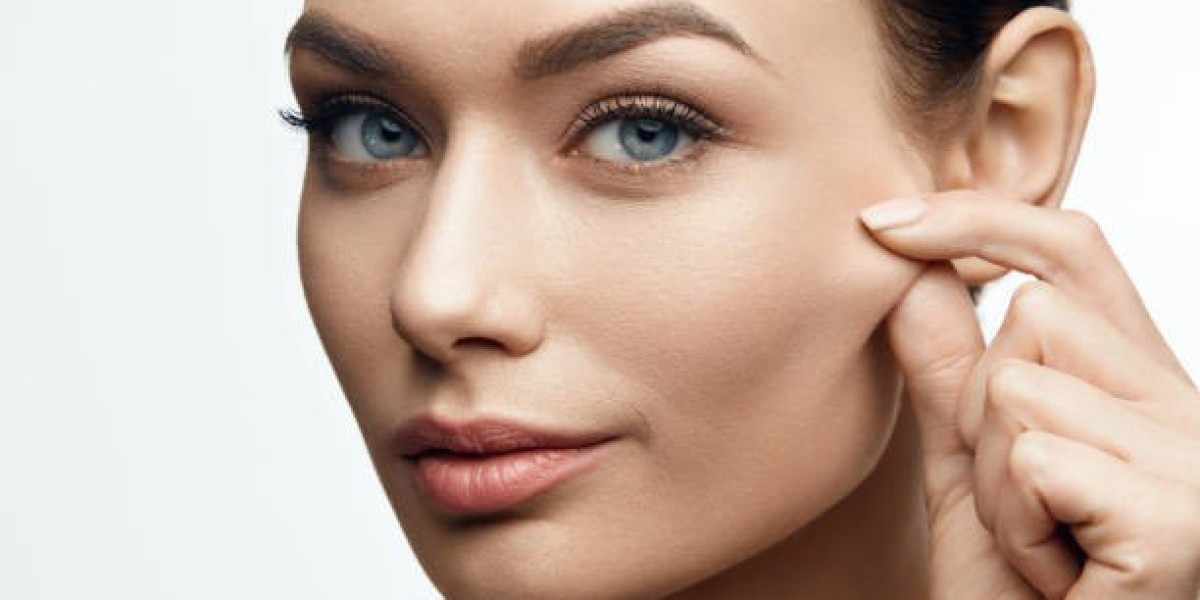

Facial skin sagging is a natural part of the aging process that gradually affects firmness, elasticity, and overall facial definition. As people grow older, collagen and elastin production decreases, making the skin less capable of maintaining its youthful structure. Changes in facial fat distribution, weakened supporting tissues, and environmental exposure can also contribute to loose skin and deeper wrinkles. Many individuals explore Facelift in Riyadh to understand how cosmetic surgery can address these visible changes and restore more defined facial contours. Recognizing the underlying causes of sagging skin is an important step toward choosing an appropriate rejuvenation approach.
The Main Factors Responsible for Facial Skin Sagging
Facial sagging does not develop because of one single cause. Several internal and external factors gradually affect the skin and supporting structures, changing the appearance of different facial areas.
Natural Loss of Collagen and Elastin
Collagen and elastin are essential proteins that help maintain skin firmness and flexibility. Their production naturally decreases with age, causing the skin to become thinner and less resilient. As a result, cheeks, jawline areas, and other facial regions may gradually lose their youthful appearance.
Changes in Facial Fat Distribution
Facial fat provides natural volume and helps maintain balanced contours. With aging, fat compartments may shrink or shift downward, contributing to hollow-looking areas, sagging cheeks, and deeper facial folds.
Sun Exposure and Environmental Factors
Frequent exposure to ultraviolet radiation can damage collagen and elastin fibers. Pollution, smoking, and other environmental influences may also contribute to premature skin aging and reduced firmness.
Lifestyle and Genetic Influences
Genetics can influence when facial aging becomes noticeable and how the skin changes over time. Smoking, inadequate sleep, and poor skincare habits may also affect skin health and contribute to the appearance of premature aging.
How a Facelift Helps Address Sagging Facial Skin
A facelift is a cosmetic surgical procedure designed to improve visible signs of aging by repositioning underlying facial tissues and addressing excess skin. Rather than simply tightening the surface, modern techniques may focus on deeper supporting structures that contribute to sagging. This can help improve loose cheeks, soften selected facial folds, and restore a more defined jawline. Individuals considering Facelift in Riyadh often want to understand how the procedure can provide a refreshed appearance while preserving their natural facial features and expressions.
Facial Areas That May Benefit From Facelift Surgery
Facial aging can affect several areas simultaneously, making the overall appearance less firm and defined. A facelift may address specific concerns depending on the patient's anatomy and treatment goals.
Sagging Cheeks
When supporting tissues weaken, the cheeks may gradually move downward, creating a tired appearance. Repositioning these tissues may help restore a more elevated and balanced cheek contour.
Loose Skin Around the Jawline
Excess skin around the lower cheeks and chin can contribute to jowls and reduce jawline definition. Facelift surgery may improve this area by addressing skin laxity and underlying tissue changes.
Deep Facial Folds
Nasolabial folds and other facial creases may become more noticeable as tissues descend. A facelift can soften some of these folds by improving facial support and positioning.
Who May Consider Facelift Surgery?
Adults experiencing noticeable facial sagging, loose skin, deeper folds, or reduced jawline definition may consider a facelift. However, suitability depends on overall health, skin condition, facial structure, and personal expectations. Individuals should have realistic goals and understand that surgery cannot stop natural aging. A consultation with a qualified plastic surgeon helps determine whether facelift surgery is appropriate or whether alternative treatments may better address specific concerns.
What to Expect During the Facelift Procedure
The process begins with a detailed facial assessment and discussion of the recommended surgical approach. Depending on the technique, incisions are commonly placed around the ears and may extend into the hairline. The surgeon then repositions underlying tissues, addresses excess skin when necessary, and carefully closes the incisions. The procedure is performed using an appropriate anesthesia plan. Surgical methods vary according to individual needs, so patients should discuss the expected process and potential risks during consultation.
Recovery and Aftercare Following a Facelift
Recovery is an important part of achieving satisfactory results. Temporary swelling, bruising, tightness, and discomfort may occur during the initial healing period. Patients should follow their surgeon's aftercare instructions, attend scheduled appointments, keep incision areas clean, and avoid strenuous activities until medically cleared. Healing times differ between individuals, and the final appearance becomes clearer as swelling gradually subsides. Proper aftercare and patience can support a smoother recovery.
Book Your Facelift Consultation at Royal Clinic Saudi
If facial sagging is affecting your appearance and confidence, consider arranging a professional consultation at Royal Clinic Saudi. A personalized assessment can help identify the causes of skin laxity and explain suitable facelift techniques, expected outcomes, recovery requirements, and potential risks. Contact the clinic to discuss your facial rejuvenation goals and explore an appropriate treatment approach.
Frequently Asked Questions
1. What causes facial skin to sag?
Reduced collagen, aging, fat redistribution, genetics, and sun exposure contribute to sagging.
2. Can a facelift improve loose facial skin?
Yes, it can address excess skin and reposition underlying facial tissues.
3. Does a facelift prevent future aging?
No, natural aging continues after surgery.
4. How long does facelift recovery take?
Initial recovery generally takes a few weeks, depending on individual healing.