Printable Vector Art
Have you ever printed a design that looked perfect on your screen but came out blurry on paper? It’s a common problem, and it usually comes down to the type of graphic you’re using. That's where printable vector art makes all the difference.
Unlike standard image files, vector artwork stays sharp at any size. Whether you're creating business cards, banners, apparel, stickers, or embroidery-ready designs, vector graphics provide the flexibility and quality professionals rely on. In this guide, you'll discover what printable vector art is, why it matters, and how to create files that deliver excellent results every time.
What Is Printable Vector Art?
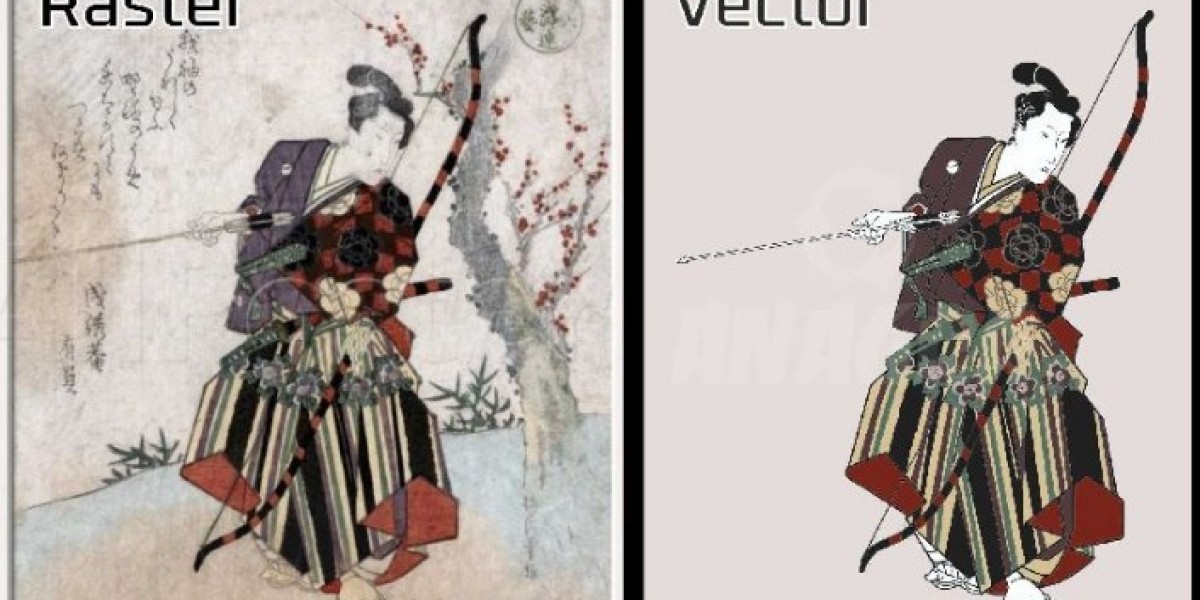
Printable vector art is artwork created using mathematical paths instead of pixels. These paths allow the design to be enlarged or reduced without losing quality.
Unlike raster images, which can become blurry when resized, vector graphics remain smooth and crisp regardless of the dimensions. This makes them the preferred choice for professional printing and production.
Common examples of printable vector art include:
Company logos
Icons
Typography designs
Illustrations
Monograms
Signage graphics
Promotional artwork
Embroidery-ready artwork
Why Printable Vector Art Matters
Imagine drawing a design with a pencil. If you enlarge a photocopy, the lines become fuzzy. Now imagine redrawing the design with perfectly smooth lines every time you change the size—that's how vector graphics work.
Using printable vector art offers several advantages.
Crystal-Clear Prints
Whether printing a small label or a large banner, vector artwork stays clean and professional.
Unlimited Scalability
Resize artwork without worrying about pixelation or blurry edges.
Easy Editing
Colors, shapes, and text can be modified quickly without reducing image quality.
Professional Results
Businesses rely on vector artwork because it creates polished marketing materials across multiple print sizes.
Common Uses for Printable Vector Art
Vector artwork is incredibly versatile and works across many industries.
Popular applications include:
Business cards
Flyers
Brochures
Product packaging
Vehicle graphics
Storefront signs
Promotional merchandise
Apparel printing
Vinyl cutting
Embroidery digitizing
Its flexibility makes it an essential asset for businesses, designers, and creators alike.
Key Features of High-Quality Printable Vector Art
Not all vector artwork is created equally. High-quality designs share several important characteristics.
Clean Lines
Smooth curves and precise edges help produce sharp printed results.
Editable Objects
Each design element can be adjusted independently without affecting the rest of the artwork.
Balanced Colors
Well-planned color combinations improve readability and visual appeal.
Proper Layer Organization
Organized layers simplify editing and make future revisions much easier.
Best File Formats for Printable Vector Art
Choosing the correct file format helps maintain quality during printing and production.
Common vector formats include:
SVG
EPS
PDF
AI-compatible vector files
These formats preserve scalability and are widely accepted by printers, sign makers, and embroidery professionals.
How to Create Better Printable Vector Art
Creating print-ready artwork doesn't have to be complicated. Following a few best practices can significantly improve your results.
Keep the Design Simple
Simple graphics are easier to recognize and print more cleanly.
Avoid unnecessary details that may disappear when printed at smaller sizes.
Use Readable Typography
Choose fonts that remain clear across different print sizes.
If your artwork includes text, test its readability before finalizing the design.
Maintain Consistent Spacing
Balanced spacing between shapes and text creates a cleaner, more professional appearance.
Limit the Color Palette
Using fewer colors often results in stronger branding and lower production complexity.
It also makes artwork easier to reproduce consistently.
Printable Vector Art for Business Branding
Businesses use vector graphics because they maintain a consistent appearance across every marketing material.
Examples include:
Logo printing
Corporate stationery
Packaging labels
Employee uniforms
Trade show displays
Promotional giveaways
Using scalable artwork ensures every printed item reflects a professional brand image.
Printable Vector Art for Embroidery
Embroidery starts with quality artwork. While embroidery machines don't stitch vector files directly, clean vector designs make the digitizing process much more accurate.
A well-prepared vector file provides clear outlines that help produce smoother stitches and better detail retention.
At Digitizing Buddy, professionally prepared vector artwork serves as the ideal starting point for creating embroidery-ready files. Clean artwork helps reduce production errors and improves the overall quality of embroidered logos and designs.
Tips for Preparing Vector Art for Printing
Before sending artwork to a printer, review these important steps.
Double-check your design:
Confirm all text is readable.
Remove unnecessary objects.
Verify spacing and alignment.
Use high-contrast colors when needed.
Save the original editable file.
Review print dimensions:
Check the final size.
Ensure proportions remain consistent.
Avoid stretching the artwork.
A few minutes of preparation can prevent costly printing mistakes.
Common Mistakes to Avoid
Even experienced designers occasionally overlook simple details.
Try to avoid:
Overly complex artwork
Thin lines that disappear in print
Crowded layouts
Too many font styles
Poor color contrast
Low-quality source images
Forgetting to proofread text
Keeping your artwork clean and balanced usually produces the best results.
How Printable Vector Art Supports Long-Term Branding
Your logo and marketing materials may appear in dozens of places over the years. From social media graphics to storefront signage, consistency is essential.
Printable vector art allows businesses to maintain a unified brand identity by ensuring every design looks sharp and professional, regardless of where it's used.
Investing in quality vector artwork today saves time, reduces production issues, and creates a stronger visual presence for years to come.
Conclusion
Choosing printable vector art is one of the smartest decisions you can make for professional printing and branding. Its ability to scale without losing quality makes it perfect for everything from business cards and banners to apparel and promotional products.
By focusing on clean design, organized artwork, and the right file formats, you'll create graphics that look exceptional across every application. And if your design is headed for embroidery, starting with a high-quality vector file makes the digitizing process smoother and more accurate.
Whether you're building a new brand or refreshing existing artwork, Digitizing Buddy can help transform professional vector designs into embroidery-ready files that deliver outstanding results.
Frequently Asked Questions
1. What is printable vector art?
Printable vector art is artwork created using mathematical paths instead of pixels. It can be resized to any dimension without losing image quality, making it ideal for professional printing.
2. Why is vector art better than raster images for printing?
Vector graphics remain crisp and sharp at every size, while raster images may become blurry or pixelated when enlarged.
3. Which file formats are best for printable vector art?
Popular vector formats include SVG, EPS, PDF, and other scalable vector file types commonly accepted by printers and production professionals.
4. Can printable vector art be used for embroidery?
Yes. Although embroidery machines require digitized files, clean vector artwork provides an excellent foundation for accurate embroidery digitizing and high-quality stitched designs.
5. How can I make my vector artwork print-ready?
Keep your design simple, use readable typography, maintain proper spacing, choose appropriate colors, and save your artwork in a standard vector format before sending it for printing.