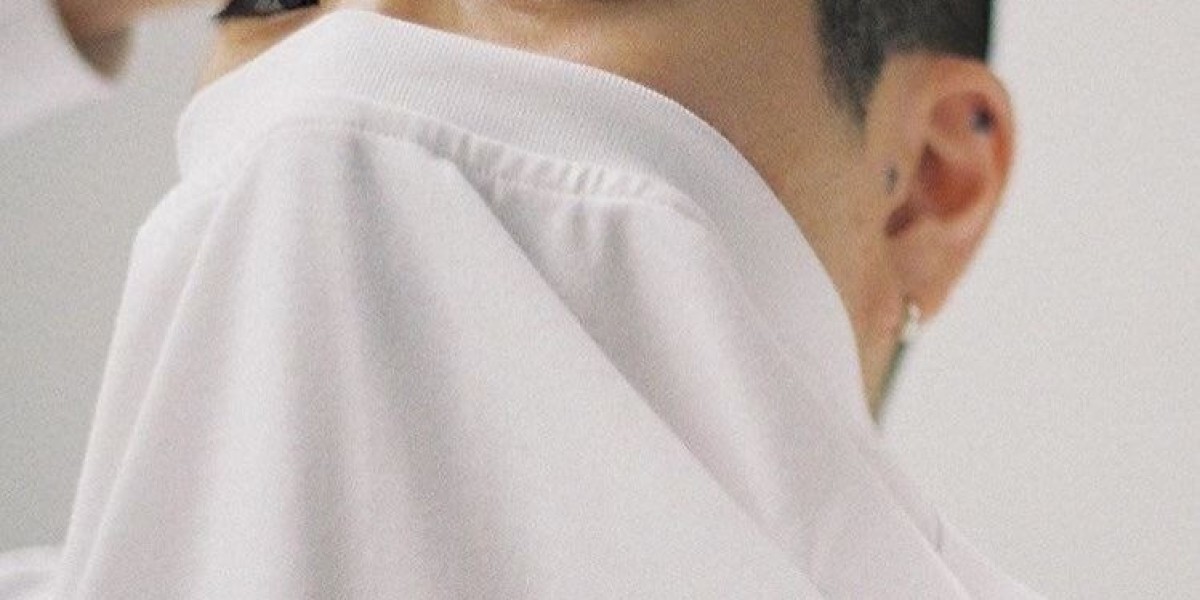
Step outside on a spring morning and the air has a bite to it that catches people off guard every year. It is not winter cold. It is not the deep chill that demands a proper coat. But it is cold enough that going out in just a t-shirt is genuinely uncomfortable and you know it within the first thirty seconds of being outside.
This is where most lightweight spring pieces fail. They look right for the season, they feel right when you put them on indoors, but the moment you step into actual spring morning air they are simply not enough. You spend the first hour of your day slightly too cold and mildly annoyed about it.
The Stussy Sweatshirt handles this morning gap properly. The fabric weight is there. You feel it when you pull it on. It is not pretending to be warm — it actually is warm enough for the cool start that spring mornings consistently deliver.
Why the Fabric Does Not Trap You Later
Here is where it gets interesting. A lot of sweatshirts that are genuinely warm enough for spring mornings become genuinely uncomfortable by early afternoon when the temperature climbs and the sun comes out properly. The same fabric weight that felt perfect at nine in the morning feels excessive and stuffy by one in the afternoon and you end up carrying the thing rather than wearing it.
Cotton at the right weight does not do this. It breathes as your body temperature changes. When you are cool it holds warmth against you. When you warm up it lets heat escape more readily rather than continuing to trap it against your skin. This is basic textile behaviour but it is what separates a genuinely useful spring layer from something that only works for part of the day.
The stussy sweatshirt cotton blend sits at a weight where this natural regulation actually functions properly. Not so heavy that the breathability cannot keep up with rising temperatures. Not so light that the warmth is superficial and useless when morning air is genuinely cold.
What Mid-Weight Actually Means in Practice
People use the term mid-weight a lot in clothing descriptions and most of the time it does not mean anything specific. It is a way of saying not too heavy and not too light without actually committing to what the fabric delivers in real conditions.
The Stussy Sweatshirt's mid-weight construction is specific enough that it translates into predictable real-world behaviour. You can wear it without a jacket on most spring days and be comfortable from morning through to evening. On particularly cold spring days — the kind that occasionally feel more like late winter — a light layer over the top handles the gap without making the combination too heavy for the afternoon.
On warmer spring days closer to summer territory, yes it might feel slightly warm by late afternoon. But that is the edge of the range rather than the typical spring experience. For the majority of actual spring days the fabric weight lands in the right place without requiring any adjustment or additional layering.
The Relaxed Fit Is Doing Thermal Work
This is something most people never think about but it is genuinely true. How a garment fits affects how warm it feels independent of what the fabric weight is. Something fitted traps heat between the fabric and your skin more aggressively because there is no air gap. As temperatures rise that trapped heat becomes uncomfortable faster than in a more relaxed fitting garment where some air circulation is happening between the fabric and the body. Streetwear lovers frequently mix Stussy pieces with essential tracksuit for relaxed casual outfits.
The Stussy Sweatshirt's relaxed cut creates that air gap. When you are cool it does not matter much — the fabric warmth is there regardless. But as the day warms up that air circulation becomes the thing that stops the sweatshirt from feeling stuffy and excessive. You get the warmth when you need it and the breathability as the day progresses. Both things coming from the same garment without any adjustment required.
Spring Colours and Why They Matter More Than You Think
Temperature function is most of the story but there is a visual component to spring dressing that is worth mentioning. Heavy winter pieces can feel visually wrong in spring even when the temperature technically justifies wearing them. There is a visual weight to dark, thick winter garments that looks out of place against the lighter, brighter visual register that spring brings.
Stussy's colour offerings in the sweatshirt range tend to sit in territory that works visually for spring without being obviously seasonal in a way that would limit wear beyond a few months. The lighter greys, the washed tones, the muted neutrals — these colours feel appropriate to spring conditions in a way that changes how the whole outfit reads even before you think about the temperature management question.
A sweatshirt that is thermally right for spring but visually heavy still feels like a compromise. The Stussy Sweatshirt avoids this by sitting in colour territory that matches the season it is most useful for.
Layering Either Way Without Problems
The real test of a spring sweatshirt is not just whether it works on its own. It is whether it accommodates layering in both directions without creating problems. Something underneath on cold mornings. Something over the top on the coldest days. Both situations should work without the overall combination becoming too bulky or the sweatshirt itself looking wrong under or over other pieces.
The Stussy Sweatshirt handles both cleanly. The relaxed fit means a long sleeve or light layer underneath does not make it pull or bunch across the chest and shoulders. A light jacket over the top sits cleanly because the sweatshirt does not add excessive bulk underneath — there is enough room without the combination looking stuffed and overdone.
This bidirectional layering flexibility makes it genuinely more useful across the full spring temperature range than a piece that only works as a standalone layer. Some days call for more and some call for less and a piece that accommodates both without drama is more valuable than one that only handles the middle of the range correctly.
Why Cheaper Alternatives Do Not Quite Get There
There are obviously mid-weight cotton sweatshirts at lower price points. The question of what specifically makes the Stussy version worth the difference is fair to ask honestly.
The answer is partly about where the fabric weight actually sits and partly about how consistently it maintains that position across washing and wearing. Cheaper alternatives sometimes start in the right weight range but thin out faster through repeated washing and move away from the thermal balance that made them useful in the first place. After six months of spring and autumn use they are noticeably lighter than they were when new and the temperature regulation that worked initially is less effective.
The Stussy Sweatshirt holds its weight and construction quality through regular use in a way that keeps the thermal performance consistent across multiple seasons rather than just the first one. That consistency is part of what the price reflects and it becomes more visible the longer you own it.
FAQs
Q1: Can I wear the Stussy Sweatshirt on genuinely cold spring mornings without anything over the top?
For most spring morning temperatures yes. The fabric weight provides enough warmth to handle cool mornings independently. On very cold days at the start of spring a light jacket adds the extra coverage needed without the combination becoming too heavy for the afternoon.
Q2: Will it feel too warm once spring temperatures start climbing toward summer?
On warmer spring days approaching summer territory it might feel slightly warm in the hottest part of the afternoon. For the majority of typical spring temperatures it stays comfortable across the full day without becoming genuinely oppressive.
Q3: Does the cotton blend really breathe well enough to make a difference throughout the day?
Yes and this is actually the main reason it works better in spring than heavier alternatives. Cotton at the right weight regulates actively as your body temperature changes rather than just holding heat consistently regardless of conditions. That active regulation is what keeps it comfortable as spring temperatures move through the day.
Q4: How does it handle being layered under a jacket on cold days?
Very cleanly. The relaxed fit provides enough room that a light jacket sits naturally over the top without the combination looking bulky or the sweatshirt bunching underneath. It accommodates layering over the top without creating the stuffed look that tighter fitting pieces sometimes produce when layered.
Q5: Is the Stussy Sweatshirt useful beyond spring or is it too season-specific to justify the price?
It is genuinely useful across autumn conditions that mirror spring temperatures and works as a mid-layer through winter under heavier outerwear. The investment makes sense beyond a single season which changes the value calculation significantly compared to buying something that only works for a few months of the year.