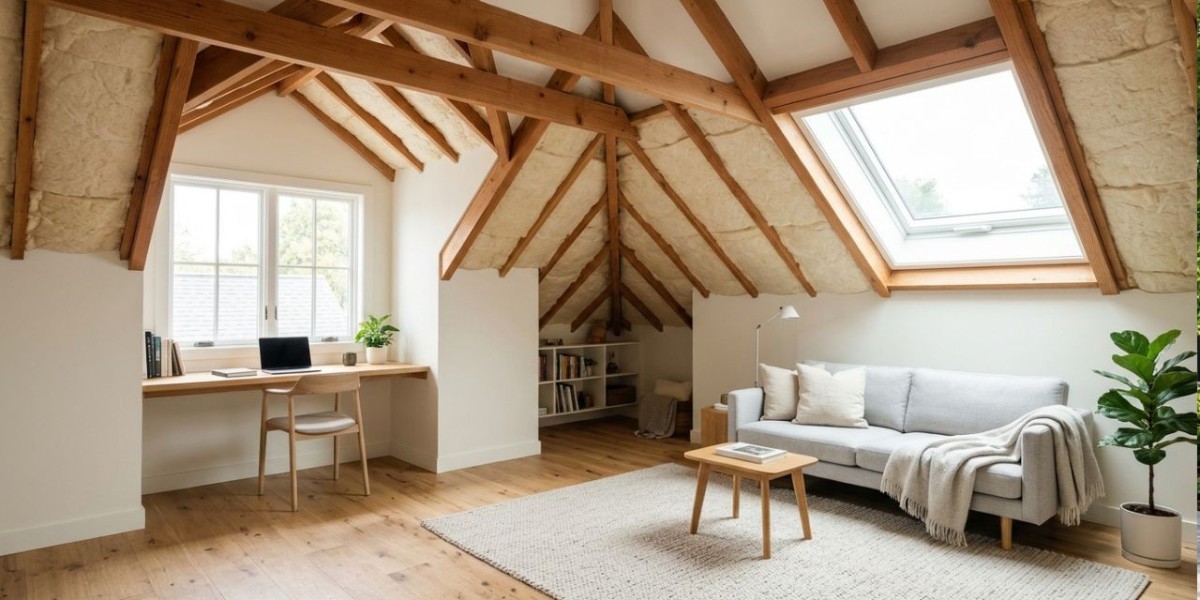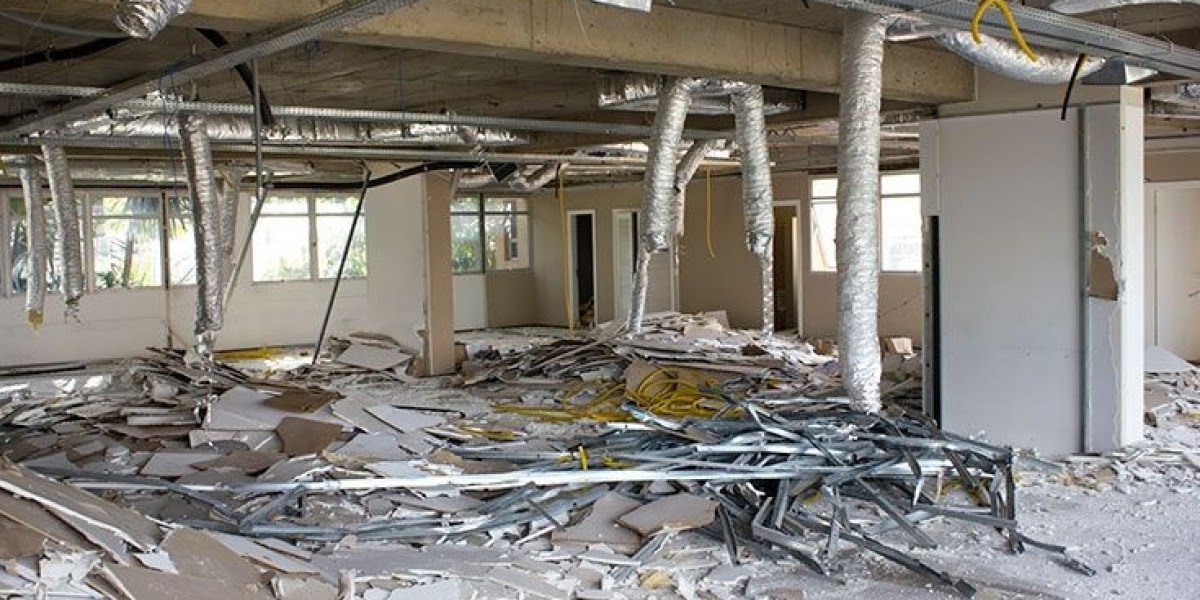

Interior demolition is often the first major step in a home or building renovation. Whether you are planning to update a kitchen, replace an old bathroom, or change the layout of a room, some existing materials may need to be removed before new work can begin. Although demolition may look like a simple job, it requires proper planning, the right tools, and careful handling. A small mistake can damage important parts of a building or create safety risks for workers and people nearby.
Understanding how interior demolition works can help property owners prepare for their projects. It also makes it easier to know what needs to be removed, which areas should remain untouched, and when professional help is necessary.
What Is Interior Demolition?
Interior demolition is the process of removing selected parts of a building's inside while keeping the main structure in place. This work can include taking out walls, ceilings, floors, cabinets, bathroom fixtures, doors, and other interior materials.
Unlike complete building demolition, interior demolition usually focuses on specific rooms or sections. For example, a homeowner may want to remove old kitchen cabinets and flooring without affecting the rest of the house. A business owner may need to clear an office interior before installing a new layout.
The exact work depends on the renovation plan and the condition of the building. Before removing anything, it is important to understand which materials can be taken out safely.
Why Is Safety Important During Interior Demolition?
Demolition work can create dust, falling materials, sharp objects, and other hazards. Damaged electrical wires, hidden plumbing lines, and weak building materials can also cause problems if they are not identified before work begins.
One of the biggest safety concerns is removing a wall without knowing its purpose. Some walls support the weight of the building, while others contain important electrical or plumbing systems. Removing a structural wall without proper planning can put the entire building at risk.
Professional contractors inspect the work area before starting. They identify possible hazards, plan the removal process, and use suitable equipment to reduce the chances of accidents. This preparation helps protect workers, property owners, and the remaining structure.
Steps Involved in a Safe Interior Demolition Project
A safe demolition project follows a clear process. Each stage helps prevent unnecessary damage and keeps the work organized.
1. Inspect the Area
The first step is to examine the room or section that needs demolition. Contractors check the walls, floors, ceilings, and other materials to understand the condition of the space.
They also look for electrical wiring, water pipes, gas lines, and structural supports. Older buildings may contain hazardous materials such as asbestos or lead-based paint. If these materials are suspected, proper testing and qualified removal may be required before regular demolition begins.
2. Prepare the Work Area
Once the inspection is complete, the work area needs to be prepared. Furniture, personal belongings, and items that could be damaged should be removed.
Doors and nearby spaces may need protective coverings to limit dust. Contractors may also use barriers to keep unauthorized people away from the work area. Good preparation makes the demolition process safer and helps reduce the amount of cleaning needed later.
3. Disconnect Utilities
Electricity, water, and gas services may need to be disconnected before demolition begins. This step is important because cutting into an active wire or pipe can lead to serious injuries, flooding, or fire.
Utility disconnections should be handled by qualified professionals. Contractors should confirm that the affected services are safely isolated before removing materials around them.
4. Remove Materials Carefully
The actual demolition begins after the area is inspected and prepared. Workers remove materials in a planned order, using suitable tools for each task.
For example, cabinets, fixtures, flooring, and drywall may be removed separately. Materials should not be pulled down without checking what is behind or above them. Careful removal helps prevent damage to nearby rooms and building components.
5. Collect and Remove Waste
Demolition creates waste such as wood, drywall, metal, tiles, and broken fixtures. These materials should be collected regularly instead of allowing them to build up around the work area.
Different waste materials may require different disposal methods. Hazardous materials must be handled according to applicable safety and disposal rules. Keeping the site clean also reduces the risk of trips, cuts, and other accidents.
Choosing an Experienced Demolition Contractor
Selecting the right contractor is an important part of any renovation project. A reliable professional should understand building structures, safe removal methods, and the equipment needed for different types of work.
Foothills Construction Grading & Demolition is a company property owners in the Lawndale area can consider when planning interior removal work. Its experience in construction, grading, and demolition makes it relevant to projects that require careful site preparation and material removal. Checking the planned work, safety approach, and project details with the contractor can help property owners make an informed decision.
Before hiring anyone, ask about their previous projects, insurance coverage, work schedule, and waste disposal process. It is also useful to request a written estimate that explains what is included in the service. Clear communication helps avoid confusion once the project starts.
Common Materials Removed During Interior Demolition
Different renovation projects require the removal of different materials. Some of the most common include:
Drywall: Old or damaged drywall may be removed to prepare walls for repair or replacement.
Flooring: Carpet, vinyl, tile, and damaged wood flooring may need to be taken out.
Cabinets: Old kitchen and bathroom cabinets are often removed during remodeling.
Ceiling Materials: Ceiling panels and drywall may be removed when updating a room or repairing damage.
Bathroom Fixtures: Sinks, toilets, bathtubs, and shower units may be removed during bathroom renovations.
Interior Doors: Old doors and frames may be taken out when changing a room's layout.
Each material requires a suitable removal method. The contractor should also check whether any materials can be reused, recycled, or need special disposal.
How Much Do Interior Demolition Services Cost?
The cost of interior demolition depends on several factors. There is no single price that applies to every project because the amount of work and the condition of the property can vary.
Some important cost factors include:
Size of the Area: A larger room or building section usually requires more labor and time.
Type of Materials: Concrete, tile, hardwood, and other heavy materials may take more effort to remove than basic drywall or cabinets.
Project Complexity: Areas with hidden wiring, plumbing, or structural concerns may require extra planning and professional assistance.
Waste Removal: The amount and type of demolition waste can affect transportation and disposal costs.
Accessibility: Tight spaces, upper floors, and limited access for equipment may increase the time needed to complete the job.
For a clearer idea of the total cost, ask contractors to inspect the property and provide a detailed estimate. Comparing the work included in each estimate is more useful than choosing a service based on price alone.
Common Mistakes to Avoid During Interior Demolition
Poor planning can create delays, extra expenses, and safety problems. One common mistake is starting demolition without checking whether a wall is load-bearing. Another is ignoring electrical and plumbing systems hidden behind walls or under floors.
Some property owners also underestimate the amount of dust and waste created during demolition. Without proper protection and cleanup, nearby rooms can become dirty or damaged.
Trying to remove hazardous materials without the correct training and equipment is another serious mistake. Materials such as asbestos should be assessed and handled by qualified professionals.
A planned approach helps avoid these issues and makes it easier for the renovation team to begin the next stage of work.
When Should You Hire Interior Demolition Services?
Professional help is useful when a project involves removing multiple walls, large sections of flooring, ceilings, cabinets, or bathroom fixtures. It is especially important when the work may affect structural components or involve electrical, plumbing, or hazardous materials.
For property owners planning Interior Demolition in Lawndale NC, reviewing the building's condition and discussing the renovation goals with an experienced contractor is a practical first step. A professional assessment can help identify the work required, possible safety concerns, and the best way to prepare the space.
Final Thoughts
Safe interior demolition is about more than removing old materials. It requires proper inspection, utility disconnection, protective measures, careful removal, and responsible waste handling. Every building and renovation project has different needs, so the demolition process should be planned according to the condition of the property.
Working with an experienced contractor can help reduce risks, protect the remaining structure, and prepare the space for renovation. Taking time to plan the work before demolition begins can save both time and money in the long run.