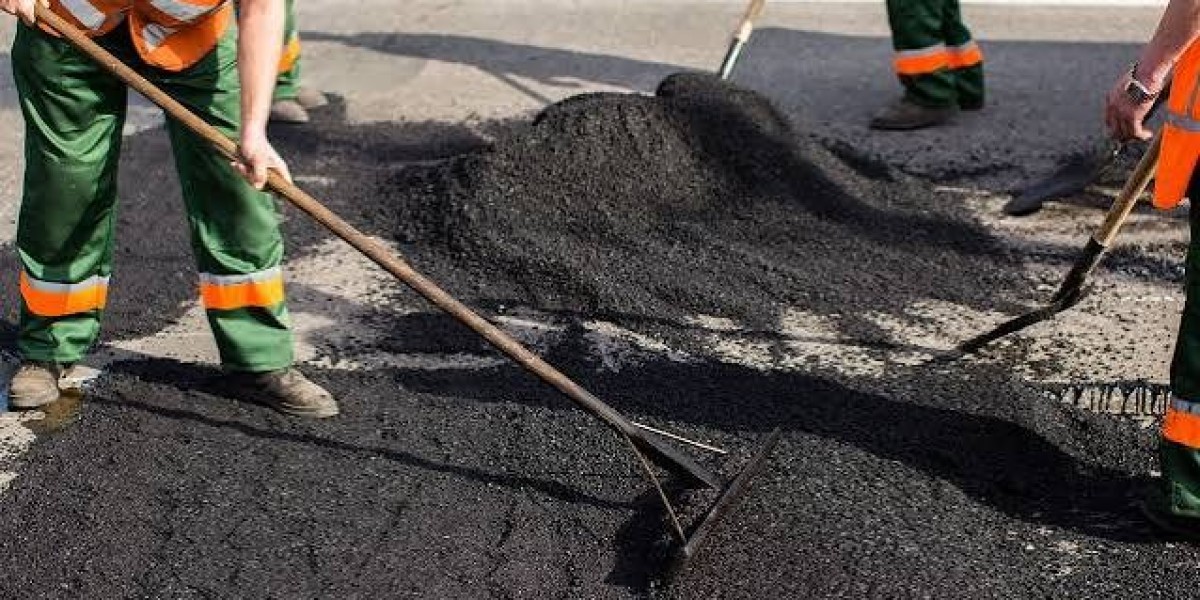

What Is Asphalt Resurfacing?
Asphalt resurfacing is a paving improvement process that involves placing a new layer of asphalt over an existing paved surface when the underlying pavement remains suitable for continued use. Property owners often consider asphalt resurfacing when a driveway, parking lot, or private road has become worn, faded, uneven in appearance, or affected by surface deterioration. Instead of removing and rebuilding the entire pavement structure, resurfacing can provide a renewed driving surface while making use of the existing foundation. However, the condition of that foundation must be evaluated before the work begins. A surface with serious structural problems, extensive settlement, or major drainage issues may require repairs or reconstruction rather than another asphalt layer. Professional contractors inspect the pavement, identify damaged areas, review water movement, and determine whether resurfacing is appropriate. The process may involve cleaning, preparation, localized repairs, leveling, and installation of a new asphalt layer. Asphalt resurfacing can improve the appearance and usability of suitable pavement, but it is not a universal solution for every damaged driveway. A proper site assessment helps homeowners and commercial property owners understand what work is necessary and what results they can reasonably expect.
Why Do Homeowners Choose Asphalt Resurfacing?
Homeowners choose asphalt resurfacing because it can renew the appearance of an existing driveway without requiring complete reconstruction when the supporting pavement is still in suitable condition. Over time, regular vehicle traffic, sunlight, rainfall, temperature changes, and everyday use can make asphalt look faded and worn. A driveway that once appeared smooth may develop surface irregularities, minor deterioration, and areas that no longer look consistent. Asphalt resurfacing offers an option for addressing suitable surface wear by adding a fresh layer over the prepared existing pavement. This can create a cleaner and more uniform appearance while allowing homeowners to retain an existing pavement structure that remains serviceable. The decision should still be based on a professional inspection because visible surface wear may sometimes indicate deeper problems. Contractors need to examine the base, identify areas requiring repair, and consider drainage before recommending a new layer. Asphalt resurfacing may be appropriate for a driveway that has aged but remains structurally sound. Homeowners should compare the cost and scope of resurfacing with repairs or complete replacement so they can choose an option that matches their property's condition, intended use, and available budget.
How Can Asphalt Resurfacing Improve Driveway Appearance?
A driveway contributes significantly to the overall appearance of a residential property, and worn pavement can make an otherwise well-maintained home look less organized. Asphalt resurfacing can improve the visual condition of a suitable driveway by adding a fresh asphalt layer over the prepared existing surface. The new material can create a more consistent finish and help reduce the appearance of ordinary surface wear. A renewed driveway can also make the entrance look cleaner and more coordinated with landscaping, walkways, garage doors, and other exterior features. Asphalt resurfacing is particularly worth considering when the existing pavement has become faded or visually tired but does not require complete reconstruction. The final appearance depends on the condition of the original surface, the preparation work, the quality of the materials, and the installation process. Contractors should address uneven areas and localized damage before placing the new layer so that existing problems are not simply covered. Homeowners may also coordinate resurfacing with other exterior improvements, such as driveway edging, Belgian block installation, or walkway upgrades. A well-planned project can give the property a more finished appearance while making practical use of an existing pavement structure that remains suitable for resurfacing.
When Is Asphalt Resurfacing Better Than Complete Replacement?
Asphalt resurfacing may be a suitable alternative to complete replacement when the existing pavement has surface deterioration but its underlying structure remains stable. Complete replacement generally involves removing existing pavement and rebuilding the necessary layers, which may be required when the base has failed, the surface has widespread structural damage, or significant settlement affects the area. Asphalt resurfacing is different because it uses the existing pavement as a foundation for a new surface layer. Before recommending either option, a contractor should examine the driveway or parking lot carefully. The inspection should consider the number and location of damaged areas, the condition of the pavement edges, drainage, surface elevations, and signs of movement. Asphalt resurfacing cannot correct every underlying problem, so choosing it without evaluating the existing structure may lead to disappointing results. If the base is weak or water-related deterioration is extensive, additional repairs or reconstruction may be more appropriate. Property owners should ask contractors to explain why resurfacing or replacement is recommended and what preparation is included. Comparing both approaches helps homeowners understand the difference in project scope and make a decision based on pavement condition rather than appearance alone.
What Signs Indicate That a Driveway Needs Asphalt Resurfacing?
Several visible conditions may indicate that a driveway should be inspected for possible asphalt resurfacing. Faded color, general surface wear, minor unevenness, and areas that have lost their original uniform appearance can be signs that an existing driveway is aging. Some homeowners also notice that the surface looks rougher than before or that localized repairs have created an inconsistent finish. These conditions do not automatically mean resurfacing is required, but they can indicate that a professional evaluation would be useful. More serious warning signs include widespread settlement, recurring water collection, deep depressions, and areas where the pavement appears to be moving. Such problems may involve the supporting base rather than only the visible surface. Asphalt resurfacing should only be considered after the contractor determines that the existing structure can support another layer. The inspection should also identify any localized sections that need repair before resurfacing begins. Property owners should avoid assuming that a fresh surface will solve every pavement concern. A careful evaluation can distinguish ordinary surface aging from structural deterioration and help determine whether resurfacing, patching, or complete replacement is the more appropriate solution.
How Do Contractors Prepare a Surface for Asphalt Resurfacing?
Preparation is one of the most important stages of asphalt resurfacing because the new layer depends on the condition and suitability of the existing pavement. Contractors begin by inspecting the driveway or parking lot and identifying areas that need attention before resurfacing. The surface may need to be cleaned to remove loose debris, dirt, vegetation, and material that could interfere with proper bonding. Damaged sections may require patching or removal, depending on the nature and extent of the problem. Uneven areas may also need corrective preparation so the finished surface does not simply follow every existing irregularity. Contractors should review drainage and elevations to determine whether the new layer will affect connections with garages, sidewalks, curbs, entrances, or other paved areas. Asphalt resurfacing may also require preparation of edges and transitions to create a neat connection with surrounding surfaces. The exact preparation method depends on the existing pavement and the specifications of the project. Property owners should ask what work is included before approving an estimate. A new layer placed over a poorly prepared surface may not provide the expected result, which is why inspection and preparation deserve as much attention as the visible installation work.
Why Is Base Condition Important Before Asphalt Resurfacing?
The base beneath an asphalt surface provides support for the pavement and helps distribute the weight of vehicles across the underlying ground. Before recommending asphalt resurfacing, contractors need to determine whether this supporting structure remains suitable. A driveway may look worn on the surface while still having a stable base, making resurfacing a possible option. In other cases, visible depressions, repeated settlement, or widespread pavement movement may indicate that deeper problems are present. Placing a new layer over an unstable foundation does not correct the underlying cause and may allow existing problems to return. Asphalt resurfacing should therefore begin with an assessment of the pavement structure rather than relying only on its appearance. Contractors may recommend localized reconstruction or other corrective work in areas where the base is no longer dependable. Soil conditions, water movement, vehicle loads, and previous construction quality can all influence the condition of the supporting layers. Homeowners should ask the contractor to explain any signs of base deterioration and how the proposed work will address them. Understanding the base condition helps property owners choose between resurfacing and more extensive pavement work with realistic expectations.
How Does Drainage Affect Asphalt Resurfacing?
Drainage is an important consideration during asphalt resurfacing because water that repeatedly collects on or around pavement can contribute to deterioration. Before adding a new layer, contractors should examine the driveway's slope, low areas, nearby landscaping, and existing drainage arrangements. If the original surface allows water to collect in certain locations, simply adding asphalt may not resolve the problem. The new layer can also change surface elevations and affect how water moves toward garage entrances, sidewalks, streets, or surrounding areas. Asphalt resurfacing should therefore be planned with careful attention to grading and transitions. Contractors may need to correct certain low areas, adjust the surface profile, or recommend additional drainage work depending on the property. Commercial parking lots require particular attention because large paved areas can collect significant runoff. Property owners should explain any recurring standing-water concerns during the site inspection. A suitable resurfacing plan should consider both the new surface and the surrounding site conditions. Although asphalt resurfacing can renew an existing pavement, it does not replace the need for appropriate drainage design. Addressing water movement as part of the project can help protect the pavement and make the finished area more practical to use.
Can Asphalt Resurfacing Be Used for Commercial Parking Lots?
Commercial parking lots can be candidates for asphalt resurfacing when the existing pavement remains structurally suitable for another asphalt layer. Parking areas experience regular use from customers, employees, visitors, delivery vehicles, and service providers, so their condition can affect both appearance and daily operations. Asphalt resurfacing may help renew a suitable parking lot that has become faded or worn while retaining an existing pavement structure. Before recommending the work, contractors should inspect traffic lanes, parking spaces, entrances, turning areas, pavement edges, and drainage conditions. Areas that experience heavier vehicle loads may require additional attention because their condition can differ from less frequently used sections. Localized damage may need to be repaired before the new layer is installed. Commercial property owners should also consider how the project will affect parking availability and access to the building. A construction schedule can help coordinate the work and reduce disruption to customers and employees. Asphalt resurfacing should not be used to cover serious structural deterioration without appropriate repairs. A professional inspection helps determine whether resurfacing is suitable or whether sections of the parking lot need more extensive reconstruction.
What Is the Asphalt Resurfacing Process?
The asphalt resurfacing process generally begins with a detailed inspection to determine whether the existing pavement can support a new layer. Once the project is approved, the contractor plans the preparation work, material requirements, access arrangements, and installation schedule. The existing surface is cleaned, and damaged or unsuitable areas are addressed according to the inspection findings. Contractors may need to patch localized sections, correct selected irregularities, or prepare transitions around garages, curbs, and sidewalks. Depending on the project specifications, an appropriate bonding treatment may be applied before the new asphalt is placed. The asphalt mixture is then delivered and distributed over the prepared area using suitable equipment. The material is carefully spread and compacted to create a consistent finished surface. Edges and connections should receive attention so the resurfaced pavement meets surrounding areas neatly. Asphalt resurfacing also requires consideration of weather and material temperature because installation conditions influence placement and compaction. Once the work is complete, the contractor should explain when the area can be used and whether temporary access restrictions are necessary. Each stage contributes to the final result, and careful coordination helps create a renewed surface that is suitable for the property's intended use.
How Long Does Asphalt Resurfacing Take?
The time required for asphalt resurfacing depends on the size of the area, the condition of the existing pavement, the amount of preparation required, and the weather during construction. A smaller residential driveway may require less work than a large commercial parking lot, especially when the existing surface is in suitable condition. Projects involving localized repairs, extensive cleaning, grading adjustments, or difficult access may require additional preparation time. Contractors should inspect the property before providing a realistic schedule because the visible surface alone does not reveal every requirement. Asphalt resurfacing also depends on coordinating material delivery, equipment, placement, and compaction. Weather conditions can influence when work can be performed and may require scheduling adjustments. After installation, the new surface needs an appropriate period before regular vehicle use, and the exact guidance depends on site conditions and the contractor's instructions. Property owners should ask when they can safely use the driveway and whether heavier vehicles need to wait longer. Commercial customers may need to arrange temporary parking or access alternatives. A clear schedule helps everyone understand the construction stages and plan around temporary restrictions without creating unnecessary disruption.
How Much Does Asphalt Resurfacing Cost?
The cost of asphalt resurfacing depends on the size of the paved area, condition of the existing surface, preparation requirements, material quantities, and complexity of the installation. A straightforward residential driveway may involve a different scope from a commercial parking lot with multiple entrances, turning areas, and drainage considerations. The amount of patching or corrective preparation required can also affect the total price. If the existing pavement has areas that need removal or deeper repair, the project may involve more work than a basic resurfacing estimate suggests. Asphalt resurfacing estimates should clearly explain the area being covered, preparation work, materials, labor, and any additional services. Property owners should also ask whether edge preparation, transitions, cleanup, and repairs are included. Comparing written estimates can help identify differences in project scope and avoid choosing a quotation that leaves important work unspecified. The lowest price is not necessarily the best option if it excludes necessary preparation. A contractor should inspect the site before providing a reliable estimate because measurements and pavement conditions influence the work required. Understanding these factors helps homeowners and businesses plan a realistic budget and select a resurfacing solution that suits the property.
Can Asphalt Resurfacing Fix Potholes and Uneven Areas?
Asphalt resurfacing can improve a suitable pavement surface, but potholes and uneven areas usually need to be evaluated and addressed before a new layer is installed. Potholes may develop because of water entry, repeated vehicle pressure, pavement deterioration, or weaknesses in the supporting structure. Uneven areas may indicate settlement or problems with the base. Asphalt resurfacing alone does not automatically correct these underlying conditions. Contractors should inspect each affected section and determine whether localized patching, removal, leveling, or deeper reconstruction is required. Once the necessary repairs are completed, resurfacing may be considered if the remaining pavement is suitable. This approach helps prevent visible defects from being simply covered by a new layer. Property owners should ask how existing potholes and depressions will be handled as part of the project. The estimate should explain whether repairs are included or priced separately. Asphalt resurfacing works best when the existing surface has been properly evaluated and prepared. Addressing damaged areas before installation helps create a more consistent finish and supports a better result than placing new material over unresolved pavement problems.
What Is the Difference Between Asphalt Resurfacing and Sealcoating?
Asphalt resurfacing and sealcoating serve different purposes, so property owners should understand the difference before choosing a pavement improvement. Asphalt resurfacing involves adding a new asphalt layer over a suitable existing paved surface after the required preparation and repairs. It is generally considered when the pavement has surface wear but retains an acceptable supporting structure. Sealcoating, by comparison, is a protective treatment applied to an appropriate asphalt surface. It can improve the appearance of the pavement and help protect it from certain forms of environmental exposure, but it does not create a new structural asphalt layer. Sealcoating cannot correct potholes, major settlement, or a failed base. Asphalt resurfacing is a more substantial paving operation and generally requires equipment and preparation suited to asphalt placement and compaction. The appropriate choice depends on the pavement's condition and the result the property owner wants to achieve. Contractors should inspect the surface and explain whether it needs routine protection, localized repairs, resurfacing, or reconstruction. Choosing the correct service helps avoid spending money on a treatment that does not address the actual condition of the pavement.
How Does Weather Influence Asphalt Resurfacing?
Weather conditions can affect asphalt resurfacing because temperature, moisture, and wind influence material handling and installation timing. Asphalt must be delivered, placed, and compacted under suitable conditions so the contractor has enough time to achieve the required finish. Cold temperatures can cause asphalt to cool more quickly, while rain and wet surfaces can interfere with preparation and placement. Contractors should consider the weather forecast and site conditions before scheduling the work. If conditions are unsuitable, postponing installation may be preferable to rushing a project. After resurfacing, seasonal weather continues to affect the pavement through sunlight, rainfall, temperature changes, and normal vehicle use. Property owners should follow the contractor's instructions about initial access and routine care. Commercial projects may require additional scheduling because large paved areas can take longer to prepare and complete. Asphalt resurfacing should be planned around the actual conditions at the property rather than based only on a preferred calendar date. A suitable installation window gives the contractor an opportunity to complete preparation, placement, and compaction in a controlled manner and helps reduce avoidable complications during construction.
How Should You Maintain a Resurfaced Asphalt Driveway?
Maintaining a resurfaced driveway involves regular observation, sensible use, and timely attention to developing pavement concerns. After asphalt resurfacing, homeowners should follow the contractor's instructions about when to drive or park on the new surface. The initial care guidance may depend on weather, material conditions, and the project specifications. Once the driveway is ready for normal use, periodic inspections can help identify surface wear, water collection, loose debris, and changes around the edges. Keeping the surface clean and ensuring drainage paths remain clear can help reduce avoidable problems. Homeowners should also pay attention to heavy vehicle use if the driveway was designed primarily for ordinary residential traffic. Sealcoating may be considered later when the surface is suitable and the contractor recommends it, but it should not be treated as a substitute for repairs. Asphalt resurfacing does not eliminate the need for future maintenance because the pavement remains exposed to weather and regular use. A practical maintenance plan helps property owners understand how their driveway is changing and when professional attention may be necessary. Consistent care can help preserve the appearance and usability of the renewed surface.
Can Asphalt Resurfacing Improve Property Value and Curb Appeal?
The condition of a driveway or parking area can influence the overall presentation of a property. Asphalt resurfacing may improve curb appeal when an existing surface has become faded or worn but remains suitable for a new layer. A cleaner and more uniform driveway can complement landscaping, exterior walls, walkways, and the property's entrance. For commercial locations, a well-maintained paved area can also contribute to a more organized appearance for customers, employees, and visitors. However, the value of a resurfacing project depends on the condition of the original pavement, quality of preparation, and suitability of the finished work. Property owners should avoid assuming that resurfacing will increase market value by a specific amount because that depends on many factors beyond the pavement itself. Asphalt resurfacing is best viewed as a practical exterior improvement that can renew a suitable paved surface and support everyday property use. Homeowners may coordinate the project with other improvements such as Belgian block edging, walkway repairs, or landscaping updates. A consistent exterior design can make the property look more carefully maintained while addressing the appearance of an aging driveway.
What Should You Ask a Contractor Before Asphalt Resurfacing?
Before approving asphalt resurfacing, property owners should ask the contractor how the existing pavement will be evaluated and whether the supporting structure is suitable for another layer. It is important to understand what preparation is included, how damaged areas will be repaired, and whether drainage or grading concerns need attention. Homeowners should ask what asphalt materials are proposed, how the new layer will be placed and compacted, and how transitions around garages, sidewalks, curbs, and entrances will be handled. A written estimate should explain the project measurements, preparation, labor, materials, and any additional costs that may arise from unexpected site conditions. Property owners should also discuss the expected schedule, access restrictions, cleanup, and instructions for using the resurfaced area. Commercial customers may need to ask how parking and business access will be managed during construction. Asphalt resurfacing is a multi-stage project, so clear communication can prevent misunderstandings about what the contractor will complete. Asking these questions helps customers compare proposals more accurately and understand whether the recommended work addresses the actual condition of their pavement. A detailed discussion before construction begins supports realistic expectations and more organized project planning.
Why Choose Harringtons Paving for Asphalt Resurfacing?
Choosing a paving contractor requires attention to experience, project planning, communication, and the ability to evaluate existing pavement conditions. Harringtons Paving provides asphalt paving and related paving services in Hillsborough Township, New Jersey. Its website describes asphalt work for residential driveways, parking lots, and private roads, with attention to ground preparation, material installation, compaction, and drainage. These details are important when considering asphalt resurfacing because a renewed surface depends on the suitability of the existing pavement and the quality of preparation. Property owners can discuss the current condition of their driveway or commercial paved area, identify visible concerns, and ask which type of work may be appropriate. A project estimate should clearly explain whether the existing surface can support resurfacing or whether repairs and additional work are necessary. Harringtons Paving also lists commercial paving and other exterior improvement services that may be relevant to a wider property project. Homeowners and business owners in its service area can contact the company to discuss their paving requirements and request an assessment. A site-specific conversation helps establish the scope of work, material requirements, and practical next steps for a resurfacing project.
Is Asphalt Resurfacing the Right Solution for Your Property?
Deciding whether asphalt resurfacing is the right solution begins with understanding the condition and intended use of the existing pavement. Homeowners with faded or worn driveways may be suitable candidates when the supporting base remains stable and the surface can be properly prepared. Commercial property owners may also consider resurfacing when parking lots or access areas have general surface deterioration but do not require complete reconstruction. However, serious settlement, extensive structural damage, major drainage problems, or widespread base failure may require more extensive work. A professional inspection should identify these conditions before a recommendation is made. Property owners should consider the project budget, access requirements, material specifications, and future maintenance needs. Asphalt resurfacing can be a practical way to renew an existing surface, but its success depends on selecting the right property and completing the necessary preparation. Comparing resurfacing with localized repairs and full replacement helps customers understand the available options. Harringtons Paving serves Hillsborough, NJ, with asphalt paving and related services. Discussing the condition of your driveway or parking lot with the company can help you determine whether resurfacing is a suitable next step for your property.










