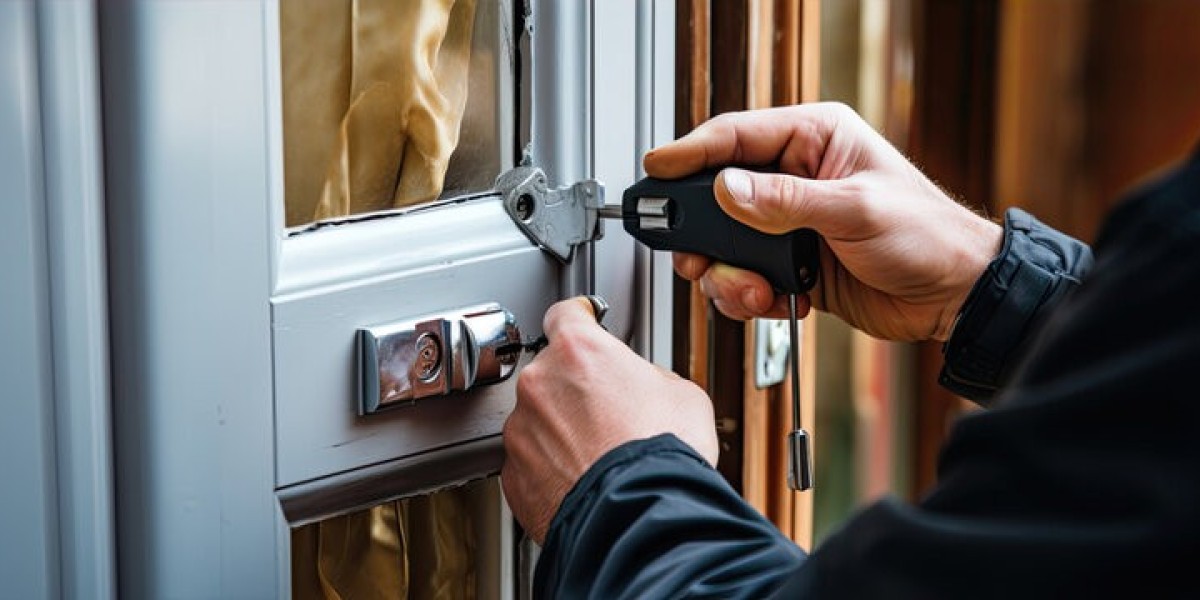

You're standing at your front door, key in hand, and you can't shake the feeling that the lock has seen better days. Maybe it grinds a bit. Maybe it's the same one the building came with ten years ago. Whatever pushed you to look into a lock change, the next question is usually the same: how hard is it, and what should I watch out for? The honest answer is that it depends on a few simple things. This article walks through those factors, a basic do-it-yourself routine for easy cases, the red flags that mean you should stop, and how to choose a lock that suits your door.
What decides how big the job is
Not every swap is the same. Four things shape how long it takes and what it costs:
Lock type. A basic knob or lever set is a quick job. A mortise lock or multi-point system takes more care.
Door material. Wood, steel, aluminium and glass doors all handle hardware differently.
Condition of the door. A sagging door or damaged frame can make even a brand-new lock feel wrong.
Security level. Higher-grade locks use sturdier cylinders and bolts, and they often need precise fitting.
If you know these four things before you start, you'll avoid most nasty surprises.
Can you do it yourself?
For a simple cylinder or deadbolt on a standard door, many people can manage it with a screwdriver and patience. Here's the usual routine:
Check the new lock fits. Compare its size and backset to the old one before you open any packaging.
Take off the old lock. Remove the screws on the inside, then pull the cylinder and bolt out. Keep the screws in a small dish.
Fit the new one. Slide the bolt in, line up the cylinder, and fasten the screws without overtightening.
Test with the door open. Turn the key and the thumb-turn several times to make sure it moves freely.
Test with the door closed. The bolt should slide into the strike plate without needing a shove.
If any step feels forced, stop. Forcing parts usually damages them.
Signs you should stop and get help
Some situations aren't worth tackling on your own:
The door doesn't close properly even before touching the lock
The lock is a high-security or multi-point type
The key is stuck or broken inside
Screws are stripped or the cylinder won't budge
You're working on a glass or aluminium door with a narrow frame
The job involves a smart lock with wiring or electronics
A small mistake on these can leave you with a door that won't lock at all, which is a much bigger headache than the one you started with.
Picking a lock that suits your door
You don't need the priciest option, just the right one. A few rules of thumb:
Front doors: a solid deadbolt with a reinforced strike plate and long screws.
Balcony or patio doors: corrosion-resistant hardware, since humidity wears things down.
Bedroom and interior doors: simple latches are normally enough.
Shared or rented properties: think about keyed-alike options, so you carry fewer keys.
Smart locks: good for guests and staff, but choose one with a mechanical backup and keep an eye on the batteries.
A quick example: a family with a villa wanted one key for the front door, the back door and the garage. Instead of buying three locks and carrying three keys, they got matching cylinders, and daily life got simpler.
Mistakes that cost people time
Buying a lock before measuring the door
Choosing purely on price
Ignoring the strike plate and frame
Throwing away the new keys' packaging, which sometimes holds the key code
Forgetting to tell the landlord when renting
A few minutes of checking beats an afternoon of returns and re-fitting.
Where to look if you'd like a second opinion
If you'd like a Dubai-based name to keep in mind for lock questions, locksmithdubainearme.ae is worth bookmarking before something goes wrong. It's much easier to compare options calmly than in the middle of a lockout.
FAQs
How long does swapping a standard door lock take?
For a basic cylinder it can be done fairly quickly, though more complex locks take longer.
Do I have to replace the whole lock if I lose a key?
Not always. Rekeying changes the internal pins and makes the lost key useless.
Will a new lock fit my old door?
Usually, if the size, backset and door thickness match. Measure first.
Are expensive locks always better?
Not necessarily. Fit, build quality and the right type matter more than the price tag.
Is it okay to install a lock myself in a rented home?
Check your tenancy contract and tell your landlord first.