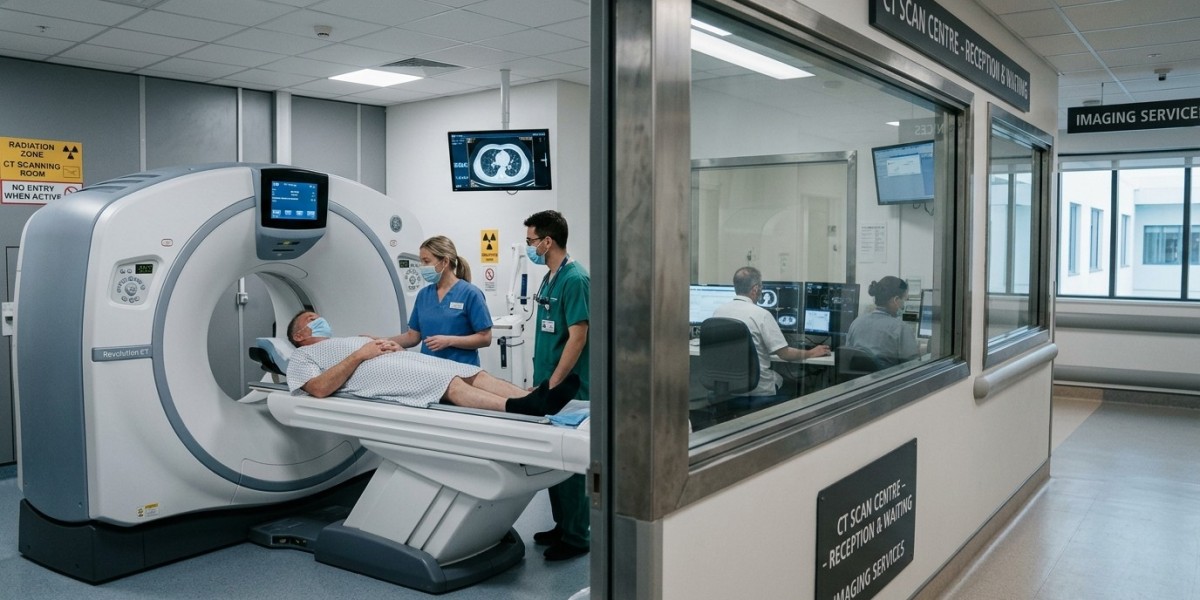

An MRI appointment can become unnecessarily complicated when patients arrive without previous reports, incomplete medical information, or clarity about the prescribed examination. Planning ahead helps make the process smoother. When evaluating MRI Scan Services in Bangalore for a properly coordinated diagnostic appointment, patients should understand the examination requirements, preparation instructions, safety screening, and reporting process before confirming a booking.
MRI examinations are used to obtain detailed images of internal structures without using ionising radiation. Doctors may request different examinations depending on whether they are investigating neurological symptoms, spinal discomfort, joint injuries, or other medical concerns.
The important point is that an MRI appointment should be arranged according to the clinical question, not simply based on a general request for imaging.
Why MRI Appointments Sometimes Experience Avoidable Delays
A delay does not always mean that the scanning equipment is unavailable. Sometimes, the issue begins before the patient reaches the facility.
Common reasons include:
The patient books a different examination from the one prescribed.
Previous imaging reports are unavailable.
Implant information is missing.
Contrast-related instructions have not been clarified.
The patient has not followed specific preparation guidance.
The appointment timing conflicts with other medical arrangements.
Understanding these issues helps patients prepare the necessary information in advance.
Match the Examination to Your Doctor's Clinical Question
MRI examinations are not interchangeable. Different body regions require different protocols and imaging sequences.
Clinical concern | Possible MRI examination | Information to clarify |
Persistent lower back symptoms | Lumbar spine MRI | Exact spinal region prescribed |
Headaches or neurological symptoms | Brain MRI | Clinical indication and requested protocol |
Shoulder discomfort | Shoulder MRI | Side of the body and suspected problem |
Knee injury | Knee MRI | Right or left knee and relevant history |
Neck-related symptoms | Cervical spine MRI | Exact region and previous imaging |
This table is for general understanding. Your doctor must determine which examination is appropriate.
Patients should never independently replace a prescribed scan with another examination because the names appear similar.
The Medical Information You Should Prepare
Before booking, organise your medical documents. This is especially useful when you have undergone earlier investigations or treatment.
Keep the following ready:
Prescription: Check the exact examination name and body region.
Previous imaging: Carry earlier MRI, CT, X-ray, or ultrasound reports when relevant.
Medical history: Note previous operations, injuries, and significant diagnoses.
Medication information: Keep an updated list of medicines and allergies.
Implant details: Carry documentation for pacemakers, surgical implants, or other implanted devices.
Contact information: Ensure the facility has the correct mobile number and email address.
Previous imaging can help the radiologist compare findings where appropriate. It is useful to bring the actual images or digital records when available, rather than relying only on a verbal description.
Contrast MRI: What Should Patients Clarify?
Some MRI examinations use a contrast agent to make particular structures or abnormalities more clearly visible.
Contrast is not required for every MRI. The decision depends on the clinical question and the radiologist's assessment.
Before the appointment, clarify:
Whether contrast is expected.
Whether additional preparation is required.
Whether kidney function assessment is necessary.
Whether you have previously experienced a reaction to MRI contrast.
Whether any existing medical condition needs to be discussed.
Tell the radiology team about kidney disease, pregnancy, allergies, and previous contrast reactions. Do not independently stop prescribed medication or arrange additional tests without medical advice.
A Better Way to Organise Your Appointment
Patients can use this five-stage approach to reduce avoidable confusion.
Step 1: Confirm the examination name
Read the prescription carefully. If the wording is unclear, ask the referring doctor or imaging facility for clarification.
Step 2: Share relevant medical details
Provide information about implants, previous operations, allergies, and other relevant conditions.
Step 3: Ask about preparation
Do not assume every MRI requires fasting. Some examinations have specific instructions, while others do not.
Step 4: Confirm appointment logistics
Check the date, arrival time, location, expected duration, and report delivery arrangements.
Step 5: Review the instructions before travelling
Make sure you understand clothing requirements, documents to carry, and any special preparation.
Two Realistic Examples of Better Appointment Planning
Example 1: A patient with recurring headaches
A patient receives a prescription for brain imaging. Before booking, the patient collects previous neurological consultation notes and earlier imaging reports. The facility receives the correct examination details, helping avoid confusion about the requested scan.
Example 2: A patient with an orthopaedic implant
A person who previously underwent joint surgery requires further investigation. Instead of simply mentioning the surgery after arriving, the patient shares implant details while arranging the appointment. The imaging team can evaluate the necessary safety information beforehand.
Illustrative Case Study: Coordinating Imaging With a Follow-Up Consultation
Meera, a hypothetical patient, receives a recommendation for a spine MRI. Her next specialist appointment is scheduled shortly after the proposed scan date.
Initially, she focuses only on finding an available appointment. However, she realises that the report delivery schedule is equally important.
She contacts the diagnostic facility, confirms the examination, asks about the expected reporting timeline, and arranges the scan with enough time for the specialist consultation.
Expected outcome: Better coordination between imaging and follow-up care, reducing the likelihood of needing to reschedule the consultation.
Key lesson: Appointment availability and report availability are two different considerations. Confirm both.
Understanding the Role of EcoTown Diagnostics
Patients researching imaging options can visit EcoTown Diagnostics to learn about its diagnostic services in Bengaluru. Its website provides information about MRI appointments and related investigations.
Before confirming, contact the facility to clarify the exact examination, preparation requirements, appointment availability, and reporting process.
Final Thoughts: Make Preparation Part of Your Diagnostic Plan
A successful MRI appointment begins before the patient enters the scanning room. Accurate prescription details, previous reports, complete medical history, and proper safety screening all contribute to a better-organised examination.
When comparing MRI Scan Services in Bangalore, consider the entire patient journey rather than focusing exclusively on appointment availability. A little preparation can help prevent misunderstandings and make coordination with your treating doctor easier.
Frequently Asked Questions
1. Can I book an MRI without carrying previous reports?
You may be able to book without previous reports, but earlier imaging can be useful for comparison. Bring relevant records whenever possible.
2. Is fasting compulsory before every MRI?
No. Fasting requirements depend on the examination and any additional procedures planned. Follow the facility's specific instructions.
3. What is the difference between a contrast and non-contrast MRI?
A contrast MRI uses an injected agent to improve visualisation of certain structures. A non-contrast examination does not require that injection.
4. Should I tell the facility about an artificial joint?
Yes. Provide details about previous surgery and the implant. The imaging team will determine whether further safety verification is needed.
5. When should I schedule my doctor's follow-up?
Consider the expected report delivery timeline and your doctor's availability. Confirm both before finalising your appointment.