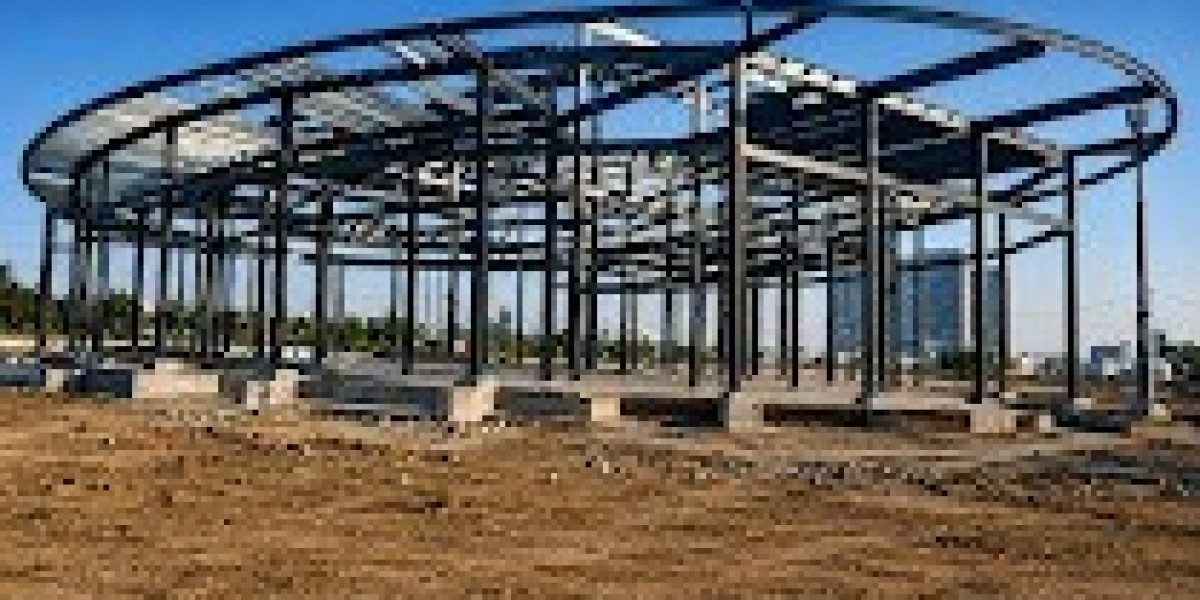

Your frame is strong. Your foundation is level. And then the first monsoon hits, and water comes through the roof over your stock. For most PEB owners, the roof is where problems start, because it's the part that takes the weather every single day.
Here's how to get a PEB roof right.
Why the Roof Matters So Much
A PEB roof does three jobs at once. It keeps rain out, controls heat, and holds the purlins and rafters in line by sharing load across the frame.
A poor roof doesn't just leak. It rusts purlins, soaks insulation and makes the building hot enough to hurt your stock and your staff. Fixing it later costs far more than choosing well now.
Choose the Right Sheeting
Most PEB roofs use coated steel sheets. Three things decide how long they last.
- Thickness: thicker sheets resist dents and wind uplift
- Coating: a stronger zinc or aluminium-zinc layer slows rust
- Paint system: a good topcoat resists fading and chalking
Thin sheets with light coating are cheap on the quote and expensive over ten years. Ask for thickness and coating weight in writing, not just the colour.
Get the Slope Right
Slope controls how fast water leaves the roof. A very flat roof holds water at joints and laps, and that's where leaks begin.
Most PEB roofs use a gentle slope, but long runs of sheeting in heavy rainfall areas need extra care at overlaps. Tell your supplier your local rainfall so the laps and sealant can be planned properly.
Plan for Light and Heat
Translucent sheets bring in daylight and cut your lighting bill. A common range is a modest percentage of roof area, enough for good light without turning the building into an oven.
Ridge ventilators let hot air out. Insulation under the sheeting keeps the interior bearable through a Punjab summer, which protects goods and the people working inside. Cold storage needs insulated panels and sealed joints instead.
Fasteners and Sealants Are Not Small Details
Most roof leaks start at a screw, not a sheet. Screws with poor washers loosen as sheets expand and contract through the day.
Ask for quality fasteners with proper sealing washers, and plan to check them every year. Dried sealant around screw heads is an early warning. A ten-minute fix now prevents a ceiling stain next season.
Allow for Solar Early
Solar panels are a common add-on, and they add real weight to the roof. If you might install them, say so during design. The purlins can be sized for the extra load.
Adding panels later often means strengthening the roof frame, which costs more and disrupts work inside.
Wind Is the Real Test
Roofs fail in storms because wind pulls sheets upward, not because rain pushes them down. Wind speed for your site feeds directly into purlin spacing, fastener count and edge details.
We work out wind and seismic loads as per IS 875 and IS 800 for your actual location. Ask any supplier which wind speed they used for your roof. If they can't answer, the design is generic.
Material and Fabrication Quality
A roof is only as good as the frame carrying it. We use mill-certified steel checked against IS 2062, with test certificates you can read. Welding follows IS 816 procedures, and every member is inspected for weld quality and dimensions before leaving our 70,000+ sq ft facility.
If purlins arrive out of tolerance, sheets never sit flat, and leaks follow. Careful shop work prevents problems that no amount of sealant fixes.
One Team Keeps the Roof Right
Roof problems often come from gaps between people. A designer specifies one purlin spacing. A fabricator cuts another. An erection crew fixes sheets without checking the latest drawing.
At Synergy PEB, design, fabrication and erection run as one process. A change approved in the morning reaches the shop floor the same day, and our own crew erects from the current drawing. We fabricate 1,000+ MT a month, so your order isn't stuck behind a larger one.
Questions to Ask Before You Order
- What sheet thickness and coating do you use?
- Which wind speed did you design the roof for?
- What fasteners and sealants are included?
- Can the roof take solar panels now or later?
- Does your own crew install the sheeting?
If you're planning a factory, warehouse or industrial shed, talk to our team. Share your use, span and site, and we'll walk you through the roof design, the tonnage and the delivery window before you commit to anything.