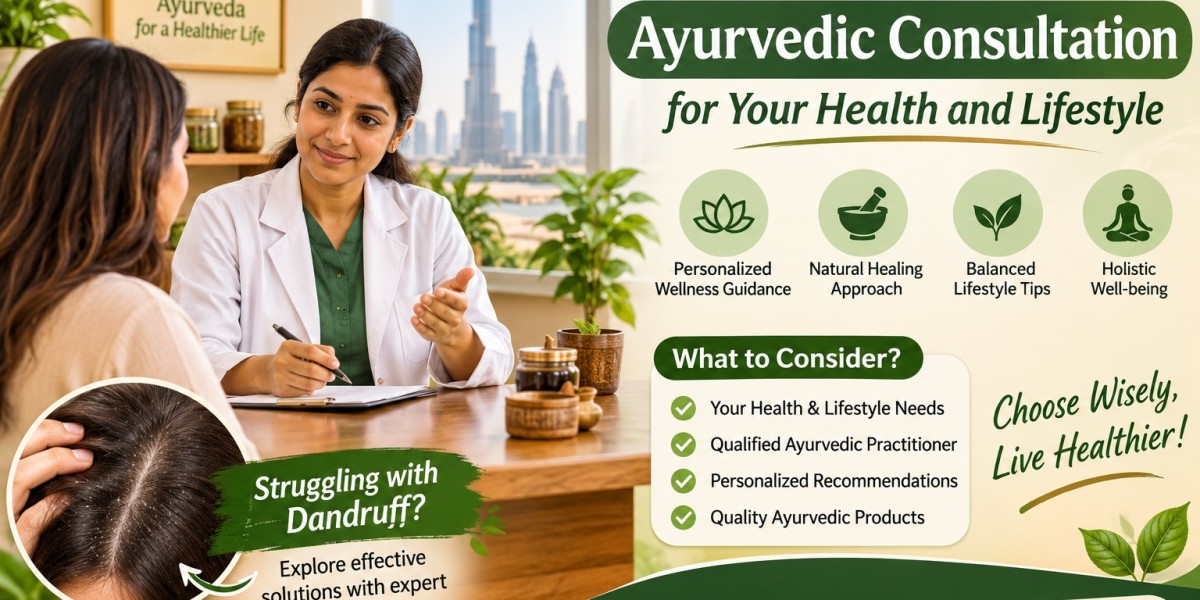

Choosing the right healthcare approach involves understanding your individual needs, lifestyle, and wellness goals. Many people in the UAE are exploring traditional wellness practices, including Ayurveda, to learn more about balanced nutrition, healthy routines, and natural approaches to well-being.
However, selecting an appropriate practitioner is just as important as choosing a treatment. A professional ayurvedic consultation provides an opportunity to discuss personal health concerns, dietary habits, daily routines, and traditional wellness recommendations before making healthcare decisions.
Whether you live in Dubai, Sharjah, or Ajman, understanding what to expect from a consultation can help you identify qualified professionals and make informed choices. This is particularly important when exploring concerns such as digestive discomfort, stress, hair health, or recurring scalp problems.
1. What Does an Ayurvedic Consultation Involve?
An Ayurvedic consultation is an assessment based on traditional Ayurvedic principles. It generally involves discussing an individual's health background, lifestyle, eating habits, sleep patterns, and wellness objectives.
Traditional Ayurveda uses three concepts known as doshas: Vata, Pitta, and Kapha. These represent different functional principles within Ayurvedic philosophy and are traditionally considered when discussing individual constitution and lifestyle patterns.
During a consultation, a qualified practitioner may:
Discuss current health concerns and personal wellness goals.
Review dietary habits and daily activities.
Ask about sleep quality and stress levels.
Discuss relevant medical history and existing medications.
Explain appropriate traditional wellness practices.
Recommend further medical assessment when necessary.
These traditional assessments should not be confused with scientifically validated medical diagnoses. A responsible practitioner understands the limitations of complementary healthcare and respects conventional medical treatment.
2. Why Personalized Ayurvedic Guidance Matters
Every individual has different health requirements. Someone working long hours in Dubai may experience irregular meals and sleep schedules, while a family in Sharjah may be interested in improving everyday dietary habits.
A personalized consultation considers these differences rather than offering identical recommendations to everyone.
For example, someone experiencing frequent scalp irritation may want to explore traditional hair-care practices. Another individual may be interested in stress management or improving their daily routine.
Personalized guidance can help individuals:
Understand their lifestyle habits.
Identify practical areas for improvement.
Discuss appropriate dietary adjustments.
Explore traditional wellness practices safely.
Recognize when conventional medical assessment is necessary.
The objective should be realistic, sustainable wellness guidance rather than promises of immediate results.
3. How to Identify Your Health and Lifestyle Needs
Before booking an appointment, consider what you want to discuss with the practitioner.
Start by identifying your primary concerns. These might include sleep difficulties, dietary habits, stress, general wellness, or hair and scalp health.
If you are searching online for dandruff treatment near me, for example, consider whether you are experiencing occasional flakes, persistent itching, scalp redness, or excessive irritation.
Dandruff can have different underlying causes, including seborrhoeic dermatitis, dry skin, and reactions to hair-care products. Persistent or severe symptoms should be assessed by a dermatologist rather than treated solely through traditional remedies.
It is also helpful to prepare information about your current medications, allergies, previous diagnoses, and any products you already use.
This preparation allows the healthcare professional to understand your circumstances more clearly.
4. Important Factors When Choosing an Ayurvedic Practitioner
Selecting an appropriately qualified professional is essential for a safe consultation.
Check professional qualifications: Verify that the practitioner has the required qualifications and a valid licence from the relevant UAE healthcare authority.
Evaluate communication: A responsible practitioner should listen carefully, explain recommendations clearly, and discuss potential risks.
Look for individual attention: Recommendations should consider your health background, lifestyle, and personal preferences.
Avoid unrealistic promises: Be cautious of anyone guaranteeing cures or recommending expensive products without assessing your circumstances.
Check healthcare boundaries: A practitioner should recognize when symptoms require conventional medical investigation or specialist attention.
In Dubai, professional and facility licensing requirements can be checked through the relevant Dubai Health Authority channels.
5. What to Expect During Your First Ayurvedic Consultation
An initial appointment generally follows a structured discussion.
First, health history: The practitioner may ask about your current concerns, medical history, medications, and allergies.
Second, lifestyle assessment: Eating patterns, sleep schedules, physical activity, and stress may be discussed.
Third, traditional assessment: Depending on professional qualifications and scope of practice, the practitioner may discuss traditional Ayurvedic concepts and individual lifestyle patterns.
Fourth, recommendations: Possible dietary adjustments, lifestyle suggestions, or traditional wellness practices may be explained.
Finally, follow-up: If appropriate, a follow-up appointment may be arranged to review progress and discuss any concerns.
You should always understand the purpose, possible risks, and expected costs of recommended services.
6. The Importance of Diet and Daily Lifestyle
Ayurveda traditionally emphasizes the relationship between daily habits and overall well-being.
Dietary choices, physical activity, sleep, and stress management are common subjects during Ayurvedic consultations.
A practitioner may discuss regular meal schedules, balanced food choices, relaxation practices, and suitable physical activity.
For individuals living in the UAE, busy working schedules, outdoor temperatures, and changing daily routines can influence lifestyle decisions.
However, recommendations should remain consistent with established nutritional and medical guidance. Individuals with chronic conditions, nutritional deficiencies, or other health concerns may require advice from appropriately qualified medical professionals.
7. Choosing Quality Ayurvedic Products
Traditional Ayurvedic products include herbal oils, powders, plant-based preparations, and other wellness formulations. Their quality and suitability should always be considered before purchase.
When selecting natural wellness products, check:
Complete ingredient information.
Manufacturer and supplier details.
Expiry dates and batch information.
Available quality-testing documentation.
Applicable UAE product registration and regulatory requirements.
Potential interactions with prescription medicines.
For people exploring traditional wellness products, a reliable Ayurvedic shop in Dubai can be a useful starting point for reviewing available product options and ingredient information.
However, buying a product is not equivalent to receiving a professional healthcare assessment. Natural ingredients are not automatically safe for everyone.
The National Center for Complementary and Integrative Health (NCCIH) also highlights concerns about certain Ayurvedic preparations containing potentially harmful amounts of lead, mercury, or arsenic.
Pregnant individuals, breastfeeding mothers, people with chronic conditions, and those taking prescription medications should seek appropriate medical advice before using herbal products or supplements.
8. Finding Ayurvedic Healthcare in Dubai, Sharjah, and Ajman
Residents across the UAE can explore traditional and complementary healthcare services through appropriately licensed facilities.
In Dubai, check the practitioner's professional registration and the healthcare facility's authorization before booking an appointment.
In Sharjah, consider the professional's qualifications, consultation arrangements, and access to appropriate follow-up guidance.
In Ajman, verify the relevant professional and facility requirements with the competent healthcare authority.
Regardless of location, prioritize transparent communication, professional qualifications, and responsible healthcare practices over promotional claims or low consultation prices.
9. Common Mistakes to Avoid
When choosing Ayurvedic healthcare, avoid these common mistakes:
Selecting practitioners without checking their professional licences.
Expecting guaranteed results from traditional treatments.
Using multiple herbal supplements without professional advice.
Ignoring persistent symptoms that require medical assessment.
Purchasing products without checking their ingredients.
Discontinuing prescribed medication without consulting your doctor.
Making informed decisions can reduce unnecessary risks and help you approach traditional wellness practices responsibly.
10. Frequently Asked Questions
What is an Ayurvedic consultation?
An Ayurvedic consultation is a professional assessment based on traditional Ayurvedic principles. It may include discussions about lifestyle, diet, health concerns, and individual wellness goals.
What happens during an Ayurvedic consultation?
The practitioner generally discusses medical history, dietary habits, sleep, lifestyle, and current concerns before explaining relevant traditional wellness recommendations.
How do I choose the right Ayurvedic practitioner?
Check professional qualifications, valid UAE licensing, relevant experience, communication practices, and willingness to discuss treatment limitations and safety.
Can Ayurvedic recommendations be personalized?
Yes. Traditional Ayurvedic guidance often considers individual lifestyle patterns, dietary habits, and personal wellness objectives. Recommendations must also account for medical conditions and safety.
Is Ayurvedic consultation suitable for everyone?
Not necessarily. Individual circumstances matter, particularly for children, pregnant individuals, people with chronic illnesses, and those taking prescription medicines.
How can I find dandruff treatment near me?
Look for a qualified dermatologist or healthcare provider who can assess the cause of scalp flaking and recommend appropriate treatment. Traditional hair-care practices should not replace necessary medical treatment.
Conclusion
Choosing the right Ayurvedic consultation requires careful consideration of personal health needs, practitioner qualifications, lifestyle requirements, and product safety.
Whether you are exploring traditional wellness practices in Dubai, Sharjah, or Ajman, prioritize qualified professionals who offer transparent guidance and understand the importance of evidence-based healthcare.
A thoughtful approach can help you explore traditional Ayurvedic principles while making informed decisions that support your individual health and lifestyle.










