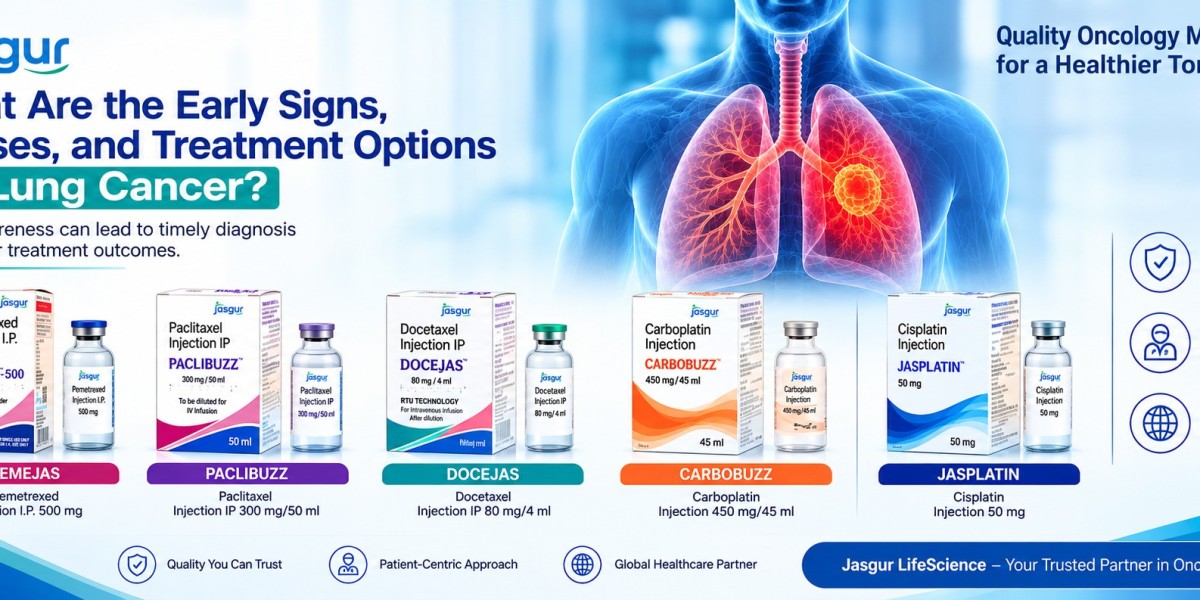

Cancer care in India has changed considerably over the past decade. Treatment is no longer limited to hospital-based chemotherapy alone. Today, many patients can take targeted and hormonal therapy at home as tablets or capsules. This blog explains how anti-cancer oral medicines in India work, how they differ from anti-cancer injection medicines in India, and why a reliable supply matters throughout treatment.
What Are Anti-Cancer Oral Medicines?
Anti-cancer oral medicines are cancer drugs taken by mouth as tablets, capsules, or liquids. They include targeted therapies, hormonal therapies, and oral chemotherapy. Instead of attacking all fast-dividing cells, many of these drugs act on specific proteins or signals that cancer cells depend on, which can improve effectiveness and reduce damage to healthy tissue.
Common examples include:
Kinase inhibitors such as axitinib (kidney cancer) and palbociclib (breast cancer)
Hormonal and anti-androgen therapy such as abiraterone acetate and apalutamide (prostate cancer)
Oral chemotherapy such as capecitabine and temozolomide
Benefits of Oral Cancer Therapy
Oral treatment offers several advantages. Patients can take medicine at home, which reduces frequent hospital visits and travel. This is especially helpful for people living far from cancer centers. Oral therapy can also offer greater comfort and flexibility in daily routines.
However, taking medicine at home needs discipline. Doses must be taken at the right time, sometimes with or without food, and never skipped or stopped without medical advice. Side effects such as diarrhea, fatigue, high blood pressure, nausea, or low blood counts should be reported to the oncologist promptly.
Anti-Cancer Injection Medicines in India
Not every cancer can be treated with tablets alone. Anti-cancer injection medicines in India are given through a vein (intravenous), under the skin, or into a muscle, usually at a hospital or clinic under medical supervision. This group includes many chemotherapy drugs, immunotherapy agents such as pembrolizumab and nivolumab, and monoclonal antibodies such as trastuzumab and bevacizumab.
Injectable therapy can deliver the drug directly into the bloodstream, allowing precise dosing. It is often used for fast-growing or advanced cancers, and in combination with oral drugs. Many modern regimens use both: for example, an oral kinase inhibitor alongside an injectable immunotherapy.
Oral vs Injection: Which Is Better?
Neither is better for everyone. The right choice depends on:
The type and stage of cancer
Genetic or biomarker test results
The patient's age, overall health, and organ function
Previous treatments and how the body responded
Convenience, access to hospitals, and cost considerations
Only an oncologist can decide the most suitable plan, and patients should never switch or stop treatment on their own.
Why Reliable Supply Matters
Cancer treatment often continues for months or years, so interruptions can affect outcomes. Patients and hospitals need genuine, properly stored medicines that are available on time. When buying oral or injectable cancer drugs, always ask for a valid prescription, check the batch number and expiry date, and purchase only from licensed suppliers.
Chawla Medicos supports hospitals, pharmacies, distributors, and patients with quality-focused oncology medicines, including oral targeted therapies and other cancer care products. With careful storage, dependable supply, and timely delivery, Chawla Medicos helps ensure patients can follow their prescribed treatment without avoidable gaps.
Tips for Patients on Oral Cancer Medicines
Follow your oncologist's dosing schedule exactly
Use a reminder or pill organizer
Store medicines away from heat, light, moisture, and children
Keep a record of side effects to share at check-ups
Avoid new medicines or supplements without medical advice
FAQs
Q1. What are anti-cancer oral medicines?
A1: Anti-cancer oral medicines are cancer drugs taken by mouth as tablets, capsules, or liquids. They include targeted therapy, hormonal therapy, and oral chemotherapy, and many can be taken at home under an oncologist's guidance.
Q2. Which anti-cancer oral medicines are commonly used in India?
A2: Common examples include axitinib for kidney cancer, palbociclib for breast cancer, abiraterone acetate and apalutamide for prostate cancer, and oral chemotherapy such as capecitabine and temozolomide. The choice depends on the cancer type and stage.
Q3. What are anti-cancer injection medicines?
A3: These are cancer drugs given by injection or infusion, usually into a vein, at a hospital or clinic. They include many chemotherapy drugs, immunotherapy agents like pembrolizumab and nivolumab, and monoclonal antibodies like trastuzumab and bevacizumab.
Q4. What is the difference between oral and injectable cancer medicines?
A4: Oral medicines are swallowed and can often be taken at home. Injectable medicines are given under medical supervision and deliver the drug directly into the body. Many treatment plans combine both.
Q5. Which is better, oral or injection cancer treatment?
A5: Neither is better for everyone. The right option depends on the cancer type and stage, test results, overall health, and previous treatments. Your oncologist will recommend the most suitable plan.
Final Thoughts
Both oral and injectable therapies play vital roles in modern cancer care. Understanding how anti-cancer oral medicines in India and anti-cancer injection medicines in India work helps patients ask better questions and take part confidently in decisions. With the right medical guidance and a trusted supplier like Chawla Medicos, patients can focus on what matters most: treatment and recovery.










