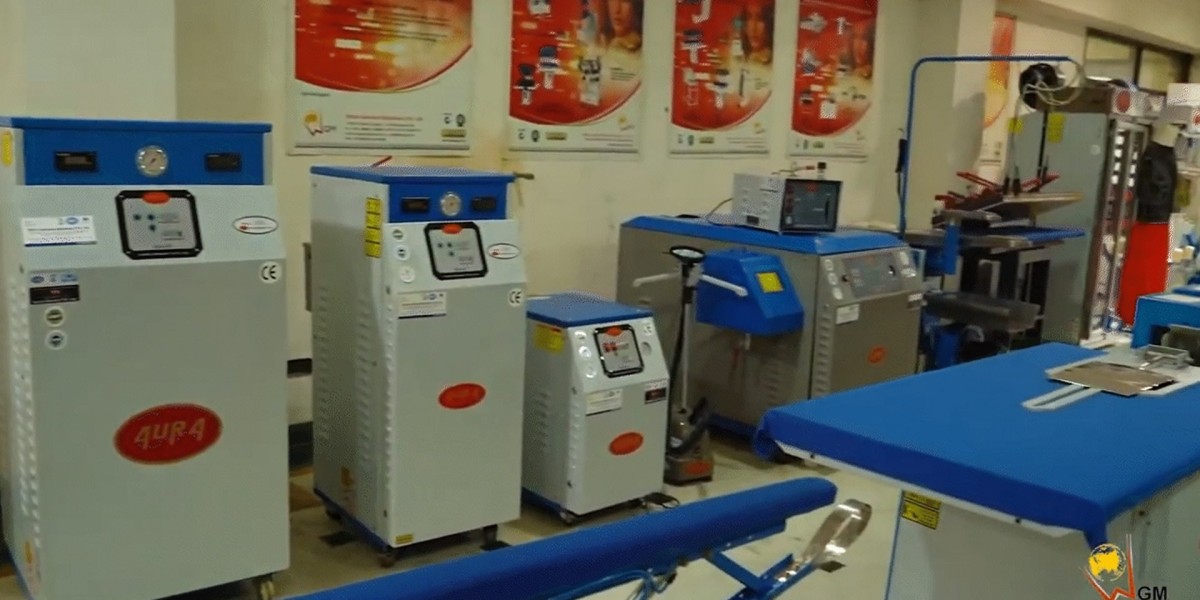

The growing demand for professional laundry and dry-cleaning services has made facility planning an important investment decision for entrepreneurs, hotels, hospitals, pharmaceutical manufacturers, healthcare institutions and commercial laundry operators. A successful laundry facility requires more than purchasing industrial washing machines. It needs proper space planning, suitable equipment, efficient workflow, utility management and a clear understanding of operational requirements.
Whether establishing a new commercial laundry business or upgrading an existing facility, working with experienced Laundry Dry cleaning Project Consultants can help businesses make informed decisions about equipment selection, installation planning and operational requirements.
A well-planned facility can improve productivity, maintain consistent cleaning quality, reduce unnecessary material handling and support long-term business growth.
1. Start with the Right Laundry Project Planning
The first step in developing a commercial laundry or dry-cleaning facility is understanding its purpose and expected workload. Different industries have different textile-processing requirements.
For example:
Hotels and resorts process bedsheets, towels, curtains and table linen.
Hospitals handle patient garments, uniforms, bedding and healthcare textiles.
Pharmaceutical companies require specialised garment-processing arrangements for cleanroom clothing.
Commercial dry cleaners process customer garments made from different fabrics and materials.
Industrial laundries handle uniforms, workwear and large volumes of institutional textiles.
Before selecting machinery, businesses should evaluate their expected daily processing capacity, available floor space, operating hours, workforce, water supply, electrical infrastructure and future expansion plans.
Professional project consultants can help translate these requirements into an equipment plan and practical facility layout.
2. Select the Right Equipment for Commercial Laundry Operations
Equipment selection directly affects processing capacity, turnaround time and operating efficiency. A commercial laundry facility may require several types of machinery depending on the services offered.
Industrial Washing Machines
Industrial washing machines are designed to handle larger textile loads and demanding commercial applications. Their capacity and programmes should be selected according to fabric types, soil levels, processing volume and required wash cycles.
Dry Cleaning Machines
Dry cleaning machines are important for businesses handling delicate garments, specialised fabrics, formal clothing and materials requiring solvent-based cleaning processes.
Depending on the business model, operators may evaluate different dry-cleaning technologies, including hydrocarbon and perchloroethylene systems. The choice should account for applicable environmental and safety requirements, solvent handling, ventilation, maintenance and local regulations.
Businesses planning this type of operation can explore Welco's range of Dry Cleaning Machines.
Industrial Dryers and Finishing Equipment
After washing, textiles may require drying, pressing, ironing and folding. Selecting equipment according to the nature of the processed garments helps establish a balanced production line.
A properly planned combination of washing, drying and finishing equipment prevents bottlenecks and supports consistent service delivery.
3. Why Pharmaceutical and Food Industry Laundry Requires Special Attention
Pharmaceutical manufacturing, food processing and other hygiene-sensitive industries have specialised requirements for handling protective garments and reusable textiles.
These environments require careful attention to contamination control, segregation, cleaning procedures, garment handling and storage.
Businesses establishing such facilities should consider:
Separate handling arrangements for soiled and processed garments.
Appropriate washing and drying equipment.
Suitable garment-processing procedures.
Controlled movement between different processing areas.
Appropriate storage and packaging arrangements.
Documented cleaning procedures and quality checks.
Equipment and facility specifications aligned with applicable industry requirements.
This is where Pharma Food Laundry project Consultants become particularly relevant. They can help businesses assess their operational needs and plan equipment, workflows and facility arrangements for hygiene-sensitive applications.
Depending on the facility and its validation requirements, specialised machinery may include antistatic garment washing systems, coverall washing machines, shoe washing machines, cap washing machines and dedicated pressing stations.
Welco Garment Machinery Pvt. Ltd. provides specialised solutions for pharmaceutical and cleanroom laundry applications. Businesses can explore its Pharmaceutical-Grade Laundry Machines to understand the available equipment categories.
It is important to ensure that final equipment specifications and operating procedures are assessed against the applicable regulatory and facility requirements.
4. Improve Linen Finishing with an Industrial Calendering Machine
Washing and drying are only part of the commercial laundry process. Many facilities also require high-quality finishing for bedsheets, pillowcases, tablecloths, towels and other flat textiles.
An industrial calendering machine is used for drying and pressing suitable flatwork textiles through heated rollers. It can help achieve a smooth finish while supporting higher-volume linen-processing operations.
When selecting a calendering machine, businesses should consider:
Roller diameter and working width.
Expected linen-processing volume.
Available steam or heating arrangements.
Fabric moisture content before feeding.
Variable-speed control.
Safety features and operator accessibility.
Maintenance and servicing requirements.
Available floor space and utility connections.
The correct machine configuration depends on the textile type, required finishing quality and production capacity.
Welco offers flatwork ironing and pressing solutions with single, double and three-roller configurations and working widths starting from 2,000 mm. Its equipment information can be explored through the Calendering Machine and Flatwork Ironer range.
Integrating suitable finishing equipment into the initial project plan can help businesses avoid unnecessary changes to their production layout later.
5. Design an Efficient Laundry Facility Layout
A well-designed facility should allow textiles to move through each processing stage without unnecessary handling or crossing between soiled and clean areas.
A typical commercial laundry workflow includes:
Receiving and collecting soiled textiles.
Sorting garments and linen according to fabric, colour and processing requirements.
Washing or dry-cleaning.
Drying and extraction, where applicable.
Ironing, pressing and finishing.
Inspection, folding and packaging.
Clean storage and dispatch.
The layout should provide sufficient space for machinery, operators, trolleys, temporary storage and maintenance access.
For healthcare and pharmaceutical applications, appropriate segregation and controlled material movement are especially important.
Utility planning also deserves attention. Water supply, drainage, electrical connections, steam requirements, ventilation and exhaust arrangements should be assessed before finalising the equipment layout.
6. Consider Operating Costs and Long-Term Efficiency
The initial purchase price of machinery is only one part of a laundry project's overall investment.
Businesses should also evaluate ongoing operating costs, including:
Electricity and fuel consumption.
Water usage.
Detergents and cleaning chemicals.
Maintenance and spare parts.
Labour requirements.
Equipment downtime.
Processing capacity and turnaround time.
Choosing machinery based solely on its purchase price can result in higher operating expenses if the equipment is unsuitable for the intended workload.
A better approach is to compare equipment based on practical production requirements, operating conditions, available utilities and long-term maintenance needs.
7. Why Professional Laundry Project Consultancy Matters
Establishing a commercial laundry or dry-cleaning facility involves several interconnected decisions. Machinery, utilities, layout, processing capacity and operational workflow must work together.
Experienced Laundry Dry cleaning Project Consultants can help businesses evaluate these requirements before committing to major investments.
The project planning process may include:
Understanding the proposed business model.
Assessing daily laundry and dry-cleaning capacity.
Recommending appropriate machinery categories.
Planning equipment positioning and workflow.
Reviewing utility and infrastructure requirements.
Identifying specialised equipment for healthcare and pharmaceutical applications.
Planning finishing and ironing sections.
Considering future expansion and maintenance access.
Working with an experienced machinery supplier and project consultant can make the planning process more organised and help reduce avoidable equipment-selection and installation mistakes.
8. Choose an Experienced Laundry Machinery Partner
The success of a laundry facility depends on selecting equipment that matches its actual operating requirements. Businesses should work with machinery partners who understand different textile-processing applications and can provide relevant technical information during project planning.
Welco Garment Machinery Pvt. Ltd. offers machinery and solutions for commercial laundry, dry cleaning, pharmaceutical laundry and garment-finishing applications.
Its product range includes dry-cleaning machines, industrial laundry equipment, pharmaceutical laundry machinery, flatwork ironers, calendering machines, boilers and other garment-processing solutions.
For businesses exploring new laundry facilities, specialised processing requirements or equipment upgrades, Welco provides an opportunity to evaluate machinery options under one product portfolio.
Visit Welco Garment Machinery Pvt. Ltd. to explore its range of industrial laundry and garment machinery.
Conclusion
Planning a modern laundry and dry-cleaning facility requires a coordinated approach to machinery selection, facility layout, hygiene, workflow and operational efficiency.
From choosing suitable dry-cleaning equipment to implementing specialised pharmaceutical laundry arrangements and selecting the right calendering machine, every decision should be based on the facility's actual processing requirements.
By working with knowledgeable Laundry Dry cleaning Project Consultants, businesses can develop a more practical equipment plan, establish an efficient workflow and prepare their facilities for long-term operational needs.
With a comprehensive range of laundry, dry-cleaning and garment-finishing machinery, Welco Garment Machinery Pvt. Ltd. can be considered as a machinery partner for businesses planning or upgrading their laundry operations.










