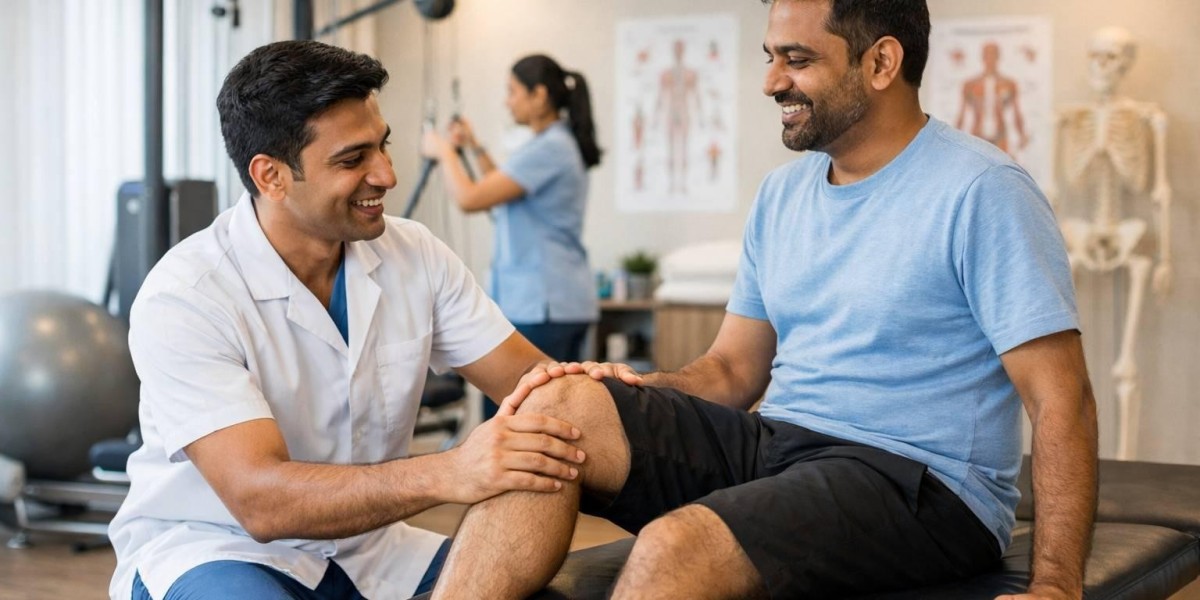

Good physical health is essential at every stage of life. Whether someone wants to maintain independence during old age, recover from a sports injury, or manage physical changes associated with pregnancy and motherhood, physiotherapy can play an important role in improving movement and overall functional ability.
Modern lifestyles, prolonged sitting, limited physical activity, sports injuries, and age-related changes can affect muscles, joints, flexibility, and balance. These problems may gradually interfere with everyday activities, making professional guidance and appropriate rehabilitation increasingly important.
For residents looking to improve their physical well-being, Geriatric Physiotherapy in Kharghar offers an approach focused on maintaining strength, balance, mobility, and independence among older adults. Similarly, sports rehabilitation and women's health physiotherapy address the specific physical needs of athletes and women at different life stages.
Understanding these specialised areas of physiotherapy can help individuals make informed decisions about their health and recovery.
1. Understanding Geriatric Physiotherapy and Its Importance
Ageing is a natural process, but changes in muscle strength, joint flexibility, coordination, and balance can make everyday activities more challenging.
Older adults may experience difficulties while walking, climbing stairs, getting up from a chair, maintaining balance, or performing household activities. Conditions such as osteoarthritis, osteoporosis, stroke, and age-related muscle weakness can further affect physical independence.
Geriatric Physiotherapy in Kharghar focuses on helping older adults maintain or improve their functional abilities through individualised rehabilitation programmes.
A physiotherapist evaluates the person's physical condition, medical history, movement limitations, and daily activity requirements before developing an appropriate treatment plan.
Common Conditions Managed Through Geriatric Physiotherapy
Some common concerns addressed through geriatric rehabilitation include:
Arthritis and joint stiffness: Exercises and mobility training can help maintain joint movement and improve functional strength.
Muscle weakness: Progressive strengthening exercises help improve the ability to perform daily activities.
Balance difficulties: Balance and coordination exercises help address factors associated with falling.
Post-surgical recovery: Rehabilitation can support recovery following procedures such as hip or knee replacement, according to the surgeon's instructions.
Stroke-related mobility problems: Physiotherapy can help improve walking, movement control, balance, and functional independence.
Osteoporosis-related limitations: Appropriate weight-bearing and strengthening activities may help maintain physical function while respecting fracture risk.
Benefits of Physiotherapy for Senior Citizens
A structured physiotherapy programme can provide several benefits:
Improved mobility: Exercises help maintain joint movement and make everyday activities easier.
Better muscle strength: Strengthening exercises support walking, standing, and other functional movements.
Fall-risk reduction: Balance training, gait assessment, and environmental guidance can help address modifiable fall risks.
Greater independence: Functional exercises help older adults practise activities such as standing from a chair, climbing stairs, and walking safely.
Improved confidence: Gradual and supervised activity can help seniors feel more confident about movement.
What Does a Geriatric Physiotherapy Session Include?
Treatment depends on individual requirements but may include:
Assessment of walking patterns, posture, balance, and joint movement.
Gentle mobility and flexibility exercises.
Progressive strengthening activities.
Balance and coordination training.
Walking and functional movement practice.
Home exercise guidance and caregiver education when appropriate.
For elderly individuals who have difficulty travelling, a qualified physiotherapist may also assess whether home-based rehabilitation is suitable.
2. Sports Physiotherapy: Supporting Injury Recovery and Athletic Performance
Sports and physical activities improve fitness, strength, and cardiovascular health. However, athletes and recreational fitness enthusiasts can experience injuries when training loads increase too quickly, movements are performed incorrectly, or sufficient recovery is not allowed.
Common sports injuries include muscle strains, ligament sprains, tendon problems, knee injuries, ankle injuries, and shoulder pain.
Sports Physiotherapy in Kharghar focuses on assessing these problems, supporting recovery, and helping individuals return to physical activities safely.
Common Sports Injuries That May Require Physiotherapy
ACL injuries: The anterior cruciate ligament helps stabilise the knee. Injury may occur during sudden changes of direction, jumping, or landing.
Ankle sprains: These injuries commonly occur when the ankle twists unexpectedly, affecting the surrounding ligaments.
Muscle strains: Overstretching or excessive loading can damage muscle fibres, causing pain and reduced movement.
Shoulder injuries: Repetitive overhead movements and sports activities can contribute to shoulder pain and reduced mobility.
Tendon-related problems: Repeated loading may contribute to conditions such as Achilles tendinopathy or patellar tendinopathy.
How Sports Physiotherapy Supports Recovery
Sports rehabilitation involves more than temporary pain relief. It aims to restore the physical abilities required for specific activities.
A treatment programme may include:
Assessment of strength, flexibility, and movement patterns.
Exercises to restore joint mobility.
Progressive strengthening of affected muscles.
Balance and coordination training.
Sport-specific movement exercises.
Running, jumping, and landing progression when appropriate.
Education about training loads and injury prevention.
Why Injury Prevention Matters
Preventing sports injuries is as important as treating them.
Athletes can reduce certain injury risks by following a suitable warm-up routine, improving muscle strength, developing movement control, allowing sufficient recovery, and gradually increasing training intensity.
A physiotherapist may also assess movement patterns and recommend exercises to address individual weaknesses.
Returning to Sports After an Injury
Returning to sports should be based on functional readiness rather than simply waiting for pain to disappear.
Before resuming demanding activities, individuals may need to demonstrate adequate strength, balance, movement control, and sport-specific performance.
For serious injuries such as ACL tears, return-to-sport decisions should involve the treating surgeon and rehabilitation team.
3. Women's Health Physiotherapy: Supporting Women Through Different Life Stages
Women's bodies experience several physical and hormonal changes throughout life. Pregnancy, childbirth, menopause, and certain medical conditions can affect posture, muscle strength, pelvic floor function, and overall mobility.
Women's health physiotherapy addresses these concerns through specialised assessment, exercise guidance, and rehabilitation.
For women exploring Women's Health Physiotherapy in Kharghar, professional guidance can help manage physical discomfort, improve movement, and support recovery during different life stages.
Common Areas Addressed Through Women's Health Physiotherapy
Pregnancy-related back pain: Changes in posture and body weight distribution may contribute to lower back and pelvic discomfort.
Pelvic floor weakness: Pregnancy, childbirth, ageing, and other factors may affect the muscles that support the bladder, bowel, and pelvic organs.
Postpartum recovery: Women may need guidance to gradually rebuild abdominal strength, pelvic floor function, and general fitness after childbirth.
Diastasis recti: Separation of the abdominal muscles may occur during pregnancy and can require individualised rehabilitation.
Menopause-related physical changes: Changes in muscle strength and bone health may influence mobility and physical activity requirements.
Post-surgical rehabilitation: Some women benefit from physiotherapy following procedures such as a caesarean section or gynaecological surgery, depending on medical advice.
Benefits of Women's Health Physiotherapy
A suitable programme may help with:
Improving pelvic floor muscle awareness and function.
Supporting abdominal and core strength.
Managing pregnancy-related musculoskeletal discomfort.
Improving posture and movement habits.
Gradually rebuilding physical strength after childbirth.
Maintaining mobility and physical function during menopause.
What to Expect During Women's Health Physiotherapy
A physiotherapy assessment should be respectful, confidential, and based on the patient's comfort and consent.
Depending on the presenting concern, the programme may include posture assessment, breathing exercises, pelvic floor education, mobility training, core strengthening, and individually selected functional exercises.
An internal pelvic floor examination is not automatically necessary for every patient. If considered clinically appropriate, it should only be undertaken with informed consent by a suitably trained professional.
Women experiencing persistent pelvic pain, unusual bleeding, significant urinary symptoms, or other concerning symptoms should also seek appropriate medical evaluation.
4. Why Personalised Physiotherapy Is Important
Although physiotherapy is useful for different age groups, every individual has unique physical requirements.
A senior citizen recovering from a hip replacement will need a different programme from an athlete recovering from an ankle injury. Similarly, a woman recovering after childbirth may require a different rehabilitation approach from someone managing pelvic floor weakness.
An effective physiotherapy programme should consider:
Medical history: Existing conditions, previous injuries, surgeries, and medications can influence exercise selection.
Current physical ability: Strength, flexibility, balance, endurance, and movement limitations help determine suitable starting exercises.
Personal goals: Some individuals want to walk independently, while others aim to return to competitive sports or resume comfortable daily activities.
Progress monitoring: Exercises should be adjusted according to recovery, tolerance, and measurable functional improvements.
This individualised approach helps make rehabilitation safer and more relevant to each person's needs.
5. How to Choose the Right Physiotherapy Clinic in Kharghar
Selecting an appropriate physiotherapy provider is an important step towards better recovery and long-term physical health.
Before choosing a clinic, consider the following factors:
Qualified professionals: Check the physiotherapist's qualifications, registration, and relevant clinical experience.
Specialised treatment knowledge: Ask whether the clinic has experience managing your particular condition, such as age-related mobility problems, sports injuries, or women's health concerns.
Individual assessment: A good treatment programme should begin with an assessment rather than applying the same exercises to every patient.
Clear rehabilitation goals: The physiotherapist should explain the purpose of treatment and how progress will be monitored.
Exercise guidance: Patients should receive appropriate instructions for continuing prescribed exercises at home.
Communication and comfort: You should feel comfortable discussing your symptoms, concerns, and treatment expectations.
A well-planned rehabilitation programme should focus on functional improvement, patient education, and sustainable physical activity.
6. Physiotherapy for a Healthier and More Active Community
Kharghar has a diverse population that includes senior citizens, working professionals, fitness enthusiasts, athletes, and women managing different stages of life.
Each group faces different physical challenges, but the importance of maintaining strength, mobility, and functional independence remains common.
Geriatric rehabilitation helps older adults maintain confidence and independence. Sports physiotherapy supports injury recovery and physical performance. Women's health physiotherapy addresses specific physical needs associated with pregnancy, childbirth, pelvic floor function, and ageing.
By seeking appropriate professional guidance, individuals can take a more proactive approach to physical health rather than waiting until pain or movement limitations significantly affect daily life.
7. Take a Positive Step Towards Better Physical Health
Maintaining physical health requires consistent effort, appropriate exercise, and professional guidance when needed. Whether an older family member is experiencing balance difficulties, an athlete is recovering from an injury, or a woman needs support during pregnancy or postpartum recovery, physiotherapy can provide a structured pathway towards better movement and function.
If you are exploring Geriatric Physiotherapy in Kharghar, it is worth considering a clinic that offers individualised assessment, progressive rehabilitation, and practical guidance for everyday activities.
For sports injuries and women's health concerns, specialised physiotherapy can also help address individual needs through appropriate treatment and exercise programmes.
Residents can explore WeCare Clinic Physiotherapy in Kharghar, Navi Mumbai, to learn more about physiotherapy and rehabilitation services.
The journey towards better physical health begins with understanding your body, choosing suitable care, and staying consistent with your rehabilitation plan.










