
Large Shipping Boxes: Sizes, Materials, Benefits, and Packaging Solutions
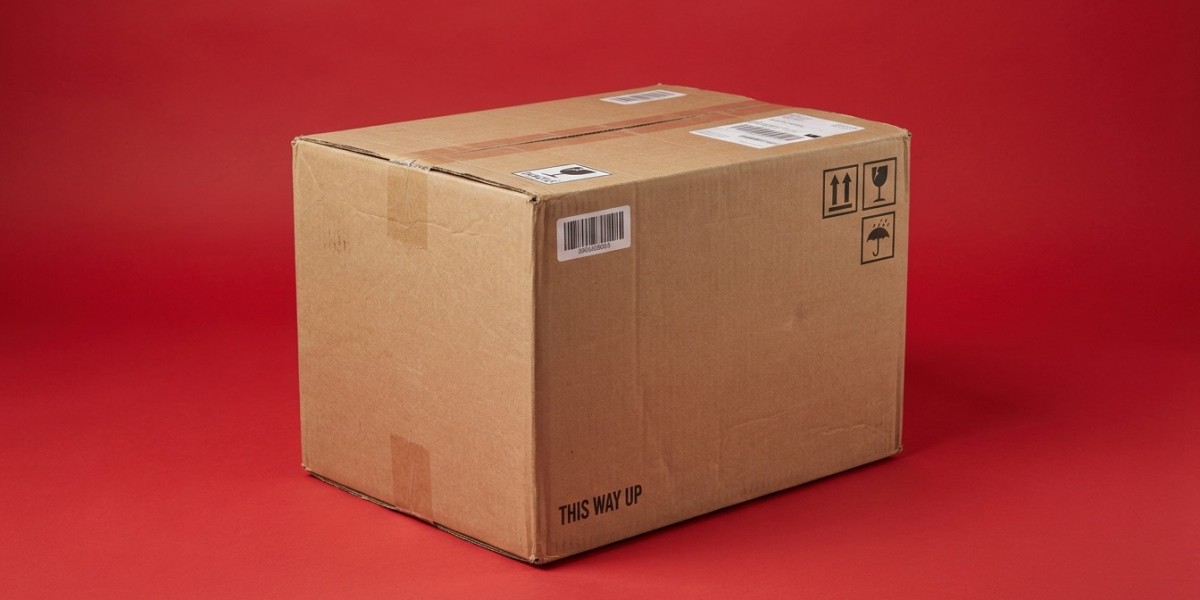
Shipping oversized and bulky products requires packaging that provides enough space, strength, and protection during transportation. Large shipping boxes are custom packaging designed to accommodate products that cannot fit into standard cartons. They are commonly used for furniture parts, electronics, appliances, industrial equipment, clothing bundles, and other large items.
Choosing the right large shipping box helps businesses protect their products, organize shipments, and improve handling throughout the delivery process. These boxes are available in different materials, sizes, and constructions, allowing companies to select packaging according to their product dimensions and shipping requirements.
Whether you operate an e-commerce store, manufacturing company, or retail business, custom large shipping boxes can provide a practical solution for transporting oversized products.
What Are Large Shipping Boxes?
Large shipping boxes are packaging containers designed to hold and transport products with bigger dimensions or greater packaging requirements than standard shipping cartons.
They are commonly manufactured from corrugated cardboard because its layered construction provides structural support and cushioning. Depending on the product's weight and shipping conditions, businesses can choose single-wall, double-wall, or triple-wall corrugated boxes.
Large shipping boxes can also include reinforced corners, protective inserts, dividers, and custom closures to help secure products during transportation.
Benefits of Large Shipping Boxes
1. Suitable for Oversized Products
The main advantage of large shipping boxes is their ability to accommodate products that require additional packaging space. Businesses can ship bulky items without unnecessarily dividing them into multiple smaller packages.
2. Better Product Protection
Large corrugated boxes can provide protection against common handling and transportation challenges. Stronger board construction helps support the contents and reduce the risk of crushing when properly selected.
Additional cushioning materials can provide further protection for fragile products.
3. Customizable Dimensions
Not every product fits into standard packaging. Custom large shipping boxes can be manufactured according to specific product measurements, helping businesses create a more suitable packaging solution.
4. Easier Product Organization
Large boxes can accommodate multiple items in one shipment. With suitable dividers and inserts, businesses can organize products and reduce unwanted movement inside the package.
5. Suitable for Bulk Shipping
Companies that regularly ship multiple products can use large cartons to combine items into organized shipments. This can simplify packing and warehouse operations when the package weight and handling requirements allow it.
6. Professional Brand Presentation
Large shipping boxes can also support branding. Businesses can add logos, product information, handling instructions, and custom graphics to create a consistent packaging experience.
Types of Large Shipping Boxes
Different shipping requirements call for different box styles and constructions.
1. Large Corrugated Shipping Boxes
Corrugated shipping boxes are widely used for transporting oversized products. Their fluted inner layer provides cushioning and structural support.
They are available in different board grades and wall constructions.
2. Double Wall Large Shipping Boxes
Double wall boxes contain two fluted layers separated by linerboards. This construction provides additional strength compared with many single-wall cartons.
They are often selected for heavier products and shipments that require greater stacking support.
3. Triple Wall Shipping Boxes
Triple wall boxes use three fluted layers and are designed for demanding packaging applications. They can be suitable for large industrial products, heavy components, and certain equipment shipments.
4. Large Die Cut Shipping Boxes
Die cut boxes are manufactured using specialized cutting patterns to create specific shapes and folding structures. They can include locking tabs, custom openings, and reinforced sections.
5. Custom Large Shipping Boxes
Custom boxes are designed around the dimensions, weight, and protection requirements of individual products. Businesses can select suitable materials, box styles, and additional protective features.
Materials Used in Large Shipping Boxes
The right packaging material helps determine how well a large shipping box performs during transportation.
Corrugated Cardboard
Corrugated cardboard is one of the most common materials for large shipping boxes. It contains fluted paper between linerboard layers, creating a structure that offers cushioning and support.
Kraft Paperboard
Kraft linerboard is frequently used in corrugated packaging. It provides a durable outer or inner surface and can support different printing requirements.
Recycled Paperboard
Recycled fibers are used in many paper-based packaging products. Their performance depends on the fiber quality, material grade, and manufacturing process.
Reinforced Corrugated Board
For products requiring additional structural support, businesses can choose heavier board grades or multiple-wall constructions.
The correct material should be selected according to product weight, dimensions, stacking conditions, and shipping environment.
How to Choose the Right Large Shipping Box
Selecting a suitable box is essential for protecting oversized products and managing shipping requirements.
1. Measure the Product Carefully
Measure the product's length, width, and height before selecting a box. Include any parts that extend beyond the main product structure.
Allow additional space for protective materials where needed.
2. Consider the Product Weight
Large boxes carrying heavy products require suitable board strength. A larger carton is not automatically suitable for a heavier load.
Consider the total packaged weight and the way the box will be handled.
3. Evaluate Product Fragility
Fragile products may need foam inserts, corrugated partitions, corner protectors, or other cushioning materials.
The internal packaging should prevent unnecessary movement and protect vulnerable areas.
4. Check Shipping and Storage Conditions
Consider delivery distance, warehouse storage, stacking arrangements, and handling equipment. These factors can influence the required box construction.
5. Select the Correct Box Style
Regular slotted cartons are suitable for many general shipping applications. Custom die cut or reinforced boxes may be more appropriate for products with unusual shapes or specific protection needs.
Customization Options for Large Shipping Boxes
Custom packaging allows businesses to create boxes that fit their products and operational requirements.
Custom Dimensions: Manufacture boxes according to specific product measurements.
Board Strength: Choose suitable single-wall, double-wall, or triple-wall construction.
Custom Printing: Add company logos, product information, and handling instructions.
Protective Inserts: Use foam or corrugated inserts to secure products.
Internal Dividers: Separate multiple items inside a large carton.
Special Closures: Select suitable flap and locking designs.
Reinforced Sections: Add support where the product or handling process requires it.
These customization options help businesses improve packaging performance and create a more consistent brand experience.
Industries That Use Large Shipping Boxes
Large shipping boxes support packaging requirements across different commercial and industrial sectors.
| Industry | Common Applications |
|---|---|
| Furniture | Furniture components and accessories |
| Electronics | Large devices and electronic equipment |
| Automotive | Vehicle parts and mechanical components |
| Manufacturing | Industrial equipment and machine parts |
| Retail | Bulk merchandise and large consumer products |
| E-commerce | Oversized online orders |
| Home Appliances | Selected household appliances and accessories |
| Apparel | Bulk clothing and textile shipments |
Each industry should select packaging according to product dimensions, weight, fragility, and transportation requirements.
Large Shipping Boxes vs. Standard Shipping Boxes
Large and standard shipping boxes serve similar purposes, but their dimensions and packaging requirements differ.
| Feature | Large Shipping Boxes | Standard Shipping Boxes |
|---|---|---|
| Size | Designed for oversized products | Designed for regular-sized products |
| Applications | Bulky goods and large items | Small and medium-sized goods |
| Material | Often corrugated cardboard | Corrugated cardboard or paperboard |
| Construction | May require reinforced board | Depends on product requirements |
| Internal Protection | May need larger inserts and dividers | Usually needs less internal space |
| Handling | May require additional handling considerations | Generally easier to handle |
Large boxes require careful attention to dimensions and weight because oversized packages may have additional carrier handling restrictions.Custom shipping boxes are wholesale
Factors That Affect the Cost of Large Shipping Boxes
The cost of large shipping boxes depends on material usage, manufacturing requirements, and customization.
Box Dimensions: Larger boxes generally require more raw material.
Material Grade: Stronger corrugated board can increase production costs.
Wall Construction: Double-wall and triple-wall boxes usually use more material than single-wall boxes.
Printing: Custom logos and graphics can affect the overall price.
Order Quantity: Production volume can influence the per-unit cost.
Design Complexity: Special shapes, inserts, and reinforced sections may require additional manufacturing work.
Finishing Options: Additional coatings or treatments can affect the final cost.
Businesses should compare packaging options based on protection, material efficiency, and overall shipping requirements.
Tips for Packing Products in Large Shipping Boxes
Proper packing is important because oversized cartons can allow products to move if the internal space is not managed correctly.
Choose a box that fits the product and required cushioning.
Place heavy items at the bottom when packing multiple products.
Use suitable cushioning around fragile items.
Add dividers to separate individual products.
Fill unnecessary empty spaces to reduce movement.
Distribute weight evenly throughout the carton.
Seal all openings with appropriate packaging tape.
Follow carrier guidelines for package dimensions and weight.
For exceptionally large or heavy products, consider whether palletized shipping or specialized packaging is more suitable than a standard parcel carton.
Frequently Asked Questions
1. What are large shipping boxes used for?
Large shipping boxes are used to transport oversized and bulky products such as furniture components, appliances, electronics, industrial parts, and large retail orders.
2. Can large shipping boxes be customized?
Yes. Businesses can customize box dimensions, board strength, printing, inserts, dividers, and other structural features according to their product requirements.
3. Which material is best for large shipping boxes?
Corrugated cardboard is a popular choice because it provides a combination of structural support and cushioning. The appropriate board grade depends on product weight and shipping conditions.
4. Are double-wall boxes suitable for large products?
Yes. Double-wall boxes can provide additional structural support for many large and heavy products. The correct design should be selected according to the product's weight and transportation requirements.
5. How do I prevent products from moving inside large shipping boxes?
Use properly sized packaging, cushioning materials, inserts, and dividers. Fill unnecessary empty spaces and secure the contents before sealing the carton.
Conclusion
Custom boxes are an essential packaging solution for businesses that transport bulky, oversized, and heavy products. With options such as corrugated cartons, double-wall boxes, triple-wall boxes, and custom die cut designs, companies can select packaging that matches their shipping and product protection requirements.
Choosing the correct dimensions, material strength, and internal protection can help reduce damage risks and improve shipping efficiency. Bluebird Packaging offers custom packaging solutions for businesses with different product and transportation needs. Contact Bluebird Packaging to discuss your large shipping box requirements and create packaging designed for your products.










