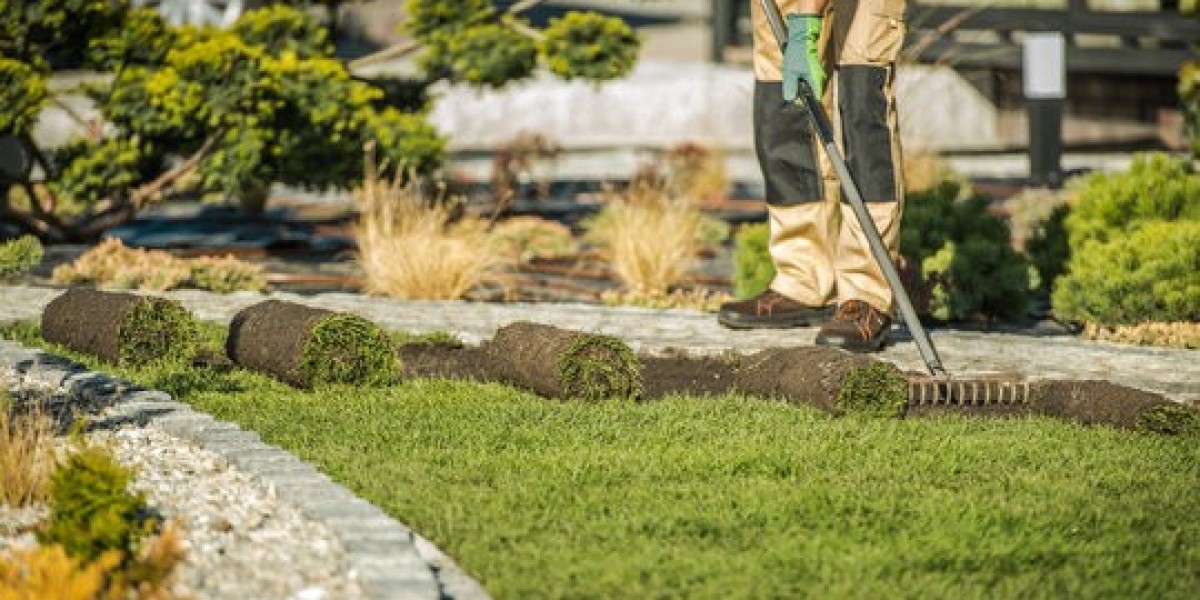
A healthy lawn is one of the first things people notice about a property. Green grass, neatly trimmed edges, and well-maintained landscaping create a welcoming appearance while increasing curb appeal. Beyond appearance, proper lawn care supports healthier soil, stronger grass roots, and better resistance to weeds and pests. Regular maintenance also helps homeowners enjoy outdoor spaces that are both beautiful and functional throughout the year.
Building a Strong Foundation for Lawn Health
Every successful lawn begins with healthy soil. Grass depends on nutrients, water, and proper airflow to grow evenly and remain vibrant. Compacted soil can prevent roots from spreading, while poor-quality soil may limit the nutrients available to plants. Regular aeration, fertilization, and soil testing help create the right conditions for healthy growth. Homeowners looking for Lawn care services Dexter MI often benefit from customized maintenance plans designed to match the specific needs of their property and local climate.
The Importance of Proper Watering
Water is essential for maintaining healthy grass, but the amount and timing are equally important. Deep, less frequent watering encourages roots to grow deeper into the soil, making the lawn more resistant to drought. Watering early in the morning reduces evaporation and allows grass blades to dry before evening, lowering the risk of fungal diseases. Installing efficient irrigation systems can also help distribute water evenly while reducing unnecessary waste.
Regular Mowing Supports Healthy Growth
Mowing is more than simply keeping the grass short. Cutting grass at the proper height allows it to develop stronger roots while naturally shading the soil and reducing moisture loss. Removing too much grass at one time can weaken the lawn and increase stress during hot weather. Keeping mower blades sharp ensures clean cuts that heal quickly, reducing the chance of disease and promoting a healthier appearance throughout the growing season.
Managing Weeds and Lawn Pests
Weeds compete with grass for sunlight, water, and nutrients, while insects can damage roots and leaves if left untreated. A healthy, thick lawn naturally discourages many weeds by limiting available space for unwanted plants to grow. Regular inspections allow homeowners to identify pest activity before it becomes widespread. When necessary, targeted treatments help control problems while protecting the overall health of the lawn and surrounding landscape.
Why Drainage Is Essential for Landscaping
Proper drainage is one of the most important factors in maintaining a healthy yard. Poor drainage allows water to collect in low areas, creating muddy spots, damaging grass, and increasing the risk of soil erosion. Excess moisture can also affect plant roots and even threaten nearby foundations if ignored. Homeowners interested in Landscape drainage solutions often choose professional drainage systems that safely direct water away from lawns, gardens, and structures to preserve the property's long-term condition.
Seasonal Lawn Maintenance Tips
Each season brings different maintenance needs. Spring is ideal for fertilizing, aerating, and preparing the lawn for active growth. During summer, consistent watering and careful mowing help protect grass from heat stress. Fall provides an opportunity to overseed thin areas, remove fallen leaves, and strengthen roots before winter arrives. Even during colder months, clearing debris and minimizing heavy foot traffic helps protect dormant grass until the next growing season.
Benefits of Professional Lawn Services
Professional lawn care providers bring experience, specialized equipment, and knowledge of local growing conditions. They understand how to identify early signs of disease, nutrient deficiencies, and drainage concerns before they become serious problems. Their customized maintenance programs help homeowners achieve healthier lawns while saving time and effort. Consistent professional care also supports long-term landscape beauty and reduces the likelihood of costly restoration projects.
Simple Practices for Long-Term Lawn Success
Homeowners can maintain a healthier lawn by following a few simple habits throughout the year. Removing leaves and debris regularly allows sunlight and airflow to reach the grass. Avoiding excessive foot traffic on wet soil helps prevent compaction, while adjusting watering schedules according to seasonal weather supports stronger root growth. Periodic soil testing also provides valuable information about nutrient levels, making it easier to maintain balanced and healthy turf.
Final Thoughts
A beautiful lawn is the result of consistent care, proper watering, healthy soil, and thoughtful landscape management. Regular maintenance not only improves the appearance of a property but also strengthens grass, supports plant health, and prevents common outdoor problems. Addressing drainage concerns, following seasonal maintenance practices, and investing in professional expertise all contribute to long-lasting results. With the right approach, homeowners can enjoy an attractive, durable, and healthy outdoor space that adds value, comfort, and lasting curb appeal for years to come.