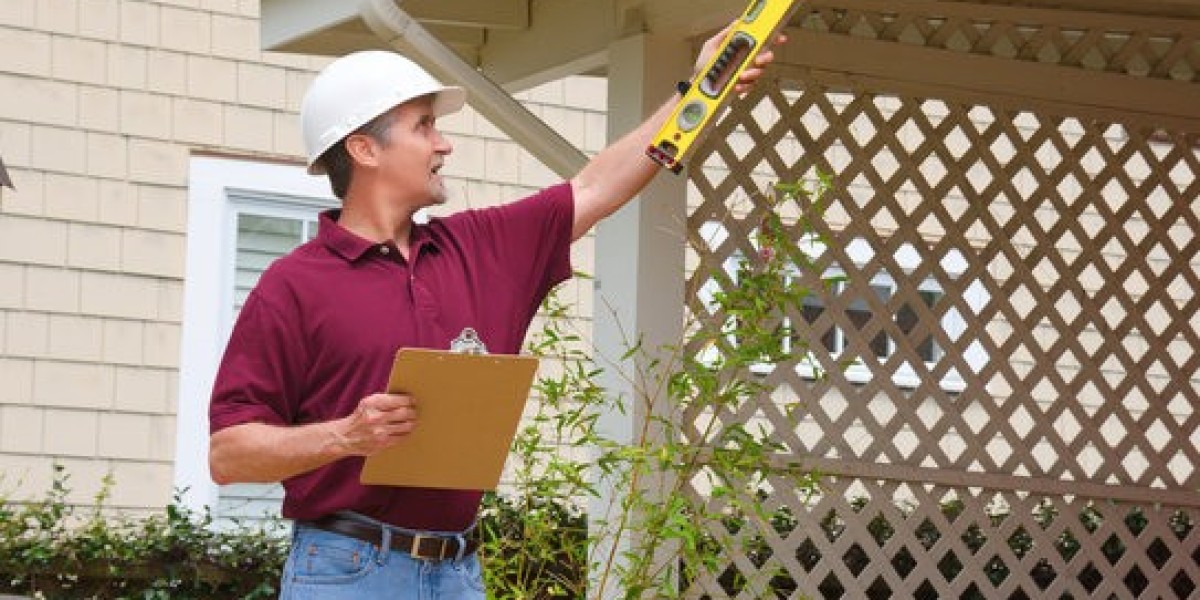
A residential property inspection is one of the most valuable steps in buying, selling, or maintaining a home. It provides a detailed assessment of the property's overall condition, helping homeowners and buyers understand any existing issues before they become costly repairs. A professional inspection also offers peace of mind by identifying potential safety concerns and maintenance needs. Whether a home is newly built or several decades old, a careful inspection helps ensure that every major component is functioning properly.
What Happens During a Property Inspection
A professional inspector follows a systematic process to evaluate the home's condition. The inspection usually includes the roof, foundation, walls, ceilings, floors, plumbing, electrical system, heating and cooling equipment, windows, doors, insulation, and visible structural components. The inspector carefully documents observations and prepares a report outlining any concerns that require attention. Homeowners searching for Residential Property Inspections Hendersonville TN often appreciate detailed evaluations that provide clear information about the home's current condition and future maintenance needs.
Evaluating the Structural Components
The structural integrity of a home is one of the most important areas examined during an inspection. Inspectors look for cracks in the foundation, uneven flooring, damaged framing, or signs of settling that could affect the building's stability. They also inspect walls, ceilings, and support structures for visible defects. Detecting structural issues early allows homeowners to plan repairs before problems become more serious and expensive.
Checking the Roofing System
The roof serves as the home's first line of defense against weather conditions. During an inspection, professionals examine shingles, flashing, gutters, vents, and other roofing materials for signs of wear or damage. Water stains inside the home may also indicate roof leaks that require attention. A properly maintained roof helps protect the interior from moisture while extending the life of the entire building. Regular inspections can identify small roofing concerns before they develop into major repair projects.
Inspecting Plumbing and Electrical Systems
Plumbing and electrical systems are essential for everyday comfort and safety. Inspectors check visible pipes, water heaters, fixtures, and drainage systems for leaks, corrosion, and proper operation. The electrical inspection includes reviewing panels, wiring, outlets, switches, and breakers for safety concerns. Older homes may contain outdated systems that require upgrades to meet current standards. Identifying these issues early helps reduce the risk of future failures and unexpected repair costs.
Heating and Cooling System Evaluation
Heating and cooling equipment plays an important role in maintaining indoor comfort throughout the year. Inspectors evaluate furnaces, heat pumps, air conditioning systems, and ventilation components to ensure they are operating efficiently. They also look for signs of poor maintenance, aging equipment, or visible damage. A properly functioning HVAC system improves energy efficiency, supports indoor air quality, and provides reliable performance during every season.
Benefits of Hiring Professional Inspectors
Choosing a trusted Property Inspections Company offers many advantages for homeowners and buyers alike. Experienced inspectors understand how to identify hidden problems that may not be visible during a casual walkthrough. Their detailed reports provide valuable information that helps clients make informed decisions about repairs, negotiations, or future maintenance. Professional inspections also reduce uncertainty by presenting an accurate picture of the property's overall condition.
How Inspections Help Save Money
Routine property inspections can prevent expensive repairs by identifying small issues before they become larger problems. Minor roof leaks, plumbing concerns, or electrical defects are often easier and less costly to repair when discovered early. Preventive maintenance also extends the lifespan of important home systems, reducing the likelihood of emergency repairs. Investing in regular inspections helps homeowners protect both their property and their long-term financial investment.
Preparing for a Property Inspection
Homeowners can make the inspection process smoother by ensuring easy access to important areas such as the attic, basement, crawl spaces, electrical panel, water heater, and HVAC equipment. Replacing burned-out light bulbs, clearing storage away from inspection points, and providing maintenance records can also help inspectors complete a more thorough evaluation. Being prepared allows the inspection to proceed efficiently while ensuring no important areas are overlooked.
Final Thoughts
Residential property inspections provide valuable knowledge about a home's safety, condition, and maintenance requirements. By carefully examining structural components, roofing, plumbing, electrical systems, and heating and cooling equipment, inspectors help homeowners make informed decisions with confidence. Regular inspections reduce the risk of costly repairs, improve long-term property value, and encourage responsible home maintenance. Whether purchasing a new property or caring for an existing one, investing in a professional inspection is a practical decision that supports the home's durability, comfort, and overall value for years to come.