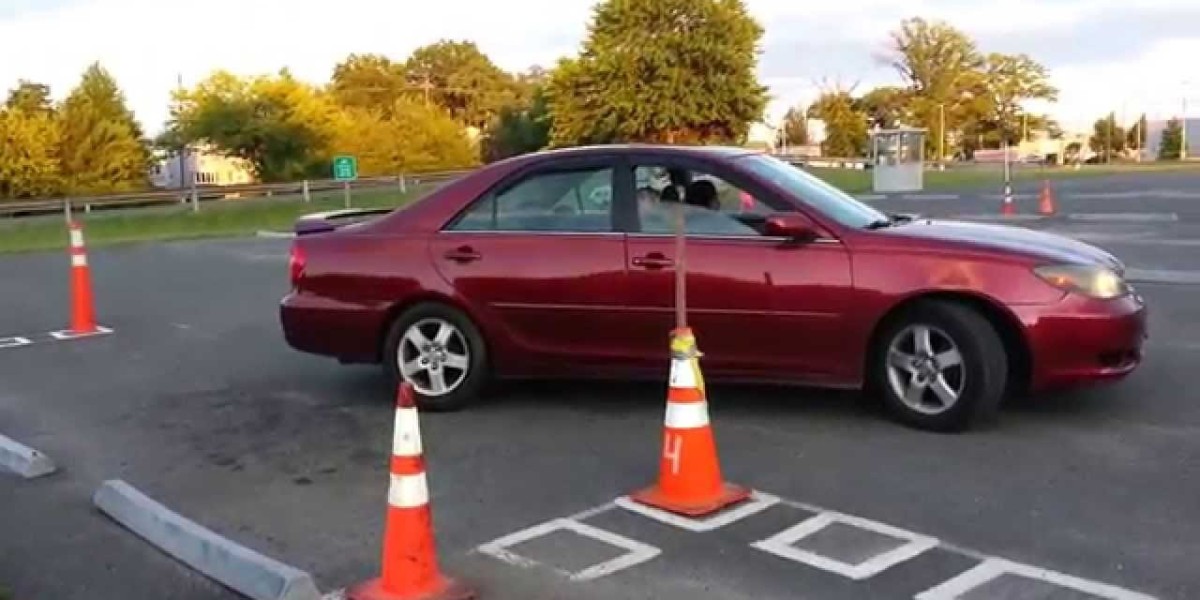

Driving requires more than controlling a vehicle and following traffic signals. Drivers also need practical skills to handle different road situations, navigate crowded areas, and park safely in limited spaces. Parking can be particularly challenging for beginners because it requires accurate steering, distance judgment, mirror use, and awareness of surrounding vehicles. Learning proper techniques can make these situations easier to manage while reducing the risk of minor accidents and vehicle damage. With clear instruction and consistent practice, drivers can improve their confidence, develop better control, and handle everyday driving responsibilities more comfortably.
Understanding the Basics of Parallel Parking
This technique requires careful observation, controlled steering, and an understanding of the vehicle's dimensions. Beginners often find it difficult because they must judge the available space while checking mirrors and surrounding traffic. Parallel parking training in West Palm Beach FL helps drivers learn how to position a vehicle safely alongside the curb between two parked cars. Professional instruction can break the process into manageable steps, making it easier to understand when to reverse, turn the steering wheel, and straighten the vehicle. Practicing in a suitable area with an experienced instructor can help learners develop the coordination and judgment needed for accurate parking.
Why Proper Parking Techniques Matter
Good parking habits help protect vehicles, pedestrians, and nearby property. Incorrect positioning can block driveways, reduce road space, or create difficulties for other motorists. Parking too close to another vehicle may also increase the chance of scratches, dents, or damaged mirrors. Drivers should understand how to judge available space, maintain suitable clearance, and position their vehicles within designated areas. Checking mirrors and blind spots before moving is equally important because pedestrians, cyclists, and other vehicles may be nearby. Learning these habits helps create safer and more organized parking situations in residential and commercial areas.
Professional Guidance for Different Parking Needs
Some providers also help drivers understand parking regulations, vehicle positioning, and safe entry and exit procedures. Customers should identify the type of assistance they need before choosing a provider. Parking Services in West Palm Beach FL can include a range of solutions depending on the provider's offerings and the customer's requirements. Driving schools may provide practical parking lessons, while commercial facilities may offer vehicle parking arrangements, parking management, or assistance with designated spaces. Clear information about the available services, location, schedule, and requirements can help ensure that the selected option matches their expectations.
Learning to Use Mirrors and Steering Control
Mirrors play an important role in accurate parking because they help drivers observe the position of nearby vehicles and objects. Before reversing, drivers should check their side mirrors, rearview mirror, and blind spots to understand the surrounding area. Steering should be controlled gradually rather than through sudden movements. Learners also need to understand how the rear of the vehicle moves when the steering wheel turns. Practicing these skills in an open area can help drivers develop better coordination. Over time, consistent observation and controlled movements can make parking easier and more predictable.
Practicing in Different Parking Environments
Parking conditions vary depending on the location and available space. Residential streets may have limited room between parked vehicles, while shopping centers often include marked spaces and busy pedestrian areas. Office buildings and commercial facilities may have ramps, narrow lanes, or designated parking zones. Drivers should learn to adjust their speed and positioning according to the environment. Practicing in different suitable locations can improve their ability to judge distances and respond to unexpected obstacles. However, beginners should start in quiet areas before attempting more difficult parking situations in busy traffic.
Avoiding Common Parking Mistakes
Many parking problems happen because drivers rush or fail to observe their surroundings carefully. Turning too early, reversing too quickly, ignoring blind spots, and misjudging the available space can lead to poor positioning. Some drivers also forget to straighten their wheels or check the distance from the curb after completing the maneuver. Taking time to observe the space before entering it can help prevent these mistakes. Drivers should make small adjustments when necessary and avoid continuing if they are unsure about nearby obstacles. Patient practice helps build accuracy and reduces unnecessary pressure.
Safety During Parking Practice
Safety should remain a priority whenever someone practices parking. Beginners should choose a suitable area with enough room to maneuver and limited traffic. An experienced instructor can provide guidance while learners develop their skills. Before moving, drivers should check for pedestrians, children, cyclists, and objects that may be hidden from view. Using a low speed allows more time to observe and respond. Seat belts should remain fastened, and vehicle controls should be used properly. Following these precautions creates a more comfortable learning environment and helps reduce avoidable risks during practice.
Choosing a Suitable Driving Instructor
A qualified instructor can make parking lessons easier to understand by explaining each maneuver clearly and providing useful feedback. Before enrolling, learners should consider the instructor's experience, teaching approach, vehicle condition, lesson duration, and opportunities for practical practice. A supportive instructor should allow beginners to progress gradually while correcting mistakes in a constructive way. It is also helpful to ask whether lessons cover parallel parking, reverse parking, angle parking, and other common situations. Choosing suitable instruction can help learners improve their vehicle control and become more confident when handling limited parking spaces.
Making Parking Skills Part of Safe Driving
Parking is a routine driving responsibility, but it requires attention and good judgment. Drivers should continue practicing even after they become comfortable with basic maneuvers. Checking surroundings, controlling speed, using mirrors, and respecting parking markings should remain part of every parking attempt. Good habits can help prevent vehicle damage and make shared spaces safer for everyone. With consistent practice and responsible driving behavior, motorists can improve their parking accuracy and handle different environments more confidently. Developing these skills supports safer journeys and makes everyday vehicle use more convenient.