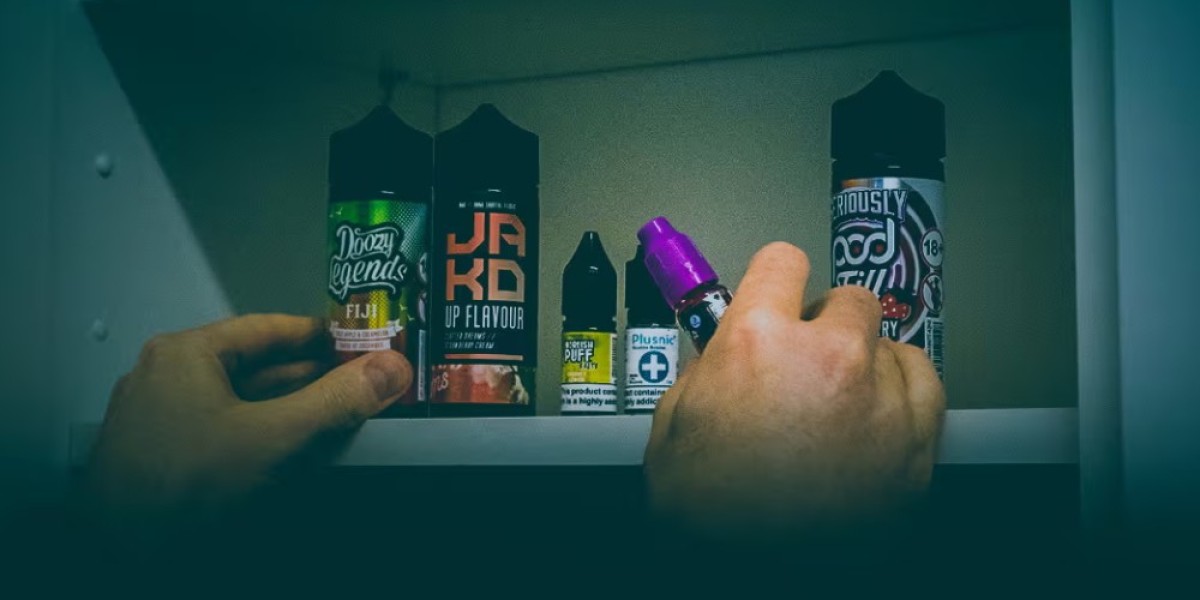

Introduction
Proper e-liquid storage is important for maintaining its original flavour, consistency and overall quality. E-liquids contain ingredients such as propylene glycol (PG), vegetable glycerine (VG), flavourings and, in some products, nicotine. These ingredients can change over time when exposed to environmental factors such as heat, sunlight and air.
Understanding how to store e-liquid correctly can help minimise unnecessary changes and maintain its condition throughout its stated shelf life. Whether checking an unopened bottle or storing a partially used container, following appropriate storage practices is important. This guide explains the main factors that affect e-liquid quality and how to store it safely.
Keep E-Liquid Away from Direct Sunlight
Sunlight is one of the environmental factors that can affect e-liquid quality. Direct exposure to ultraviolet light can contribute to changes in certain flavouring compounds and nicotine. Over time, this may cause the liquid to become darker or develop a different flavour profile.
To minimise unnecessary light exposure, choose a suitable storage location and keep bottles in their original packaging whenever possible. Consider these storage practices:
Use a Dark Cupboard: Store bottles inside a closed cupboard or drawer.
Avoid Windowsills: Direct sunlight can expose containers to unnecessary light and heat.
Keep Original Packaging: Manufacturer packaging may provide additional protection.
Use Suitable Storage Boxes: An enclosed storage box can help protect bottles from light.
Keeping e-liquid away from direct sunlight helps reduce one of the main environmental factors associated with its deterioration.
Store E-Liquid in a Cool and Stable Environment
Temperature can influence the chemical stability and physical consistency of e-liquid. Excessive heat may accelerate changes in nicotine and flavouring ingredients, while significant temperature fluctuations can affect the liquid's appearance and consistency.
A cool, dry location with a relatively stable temperature is generally suitable for storage. Avoid placing bottles near radiators, cooking appliances or other heat sources. Important considerations include:
Keep bottles away from heaters and radiators.
Avoid leaving e-liquid inside hot vehicles.
Do not store containers beside ovens or cooking equipment.
Follow the manufacturer's recommended storage temperature.
Avoid frequent changes between very hot and cold environments.
A closed cupboard in a room with a stable temperature is generally a practical storage location. Refrigeration is not normally necessary for everyday storage unless the manufacturer specifically recommends it.
Keep E-Liquid Bottles Tightly Sealed
Air exposure can gradually affect e-liquid quality, particularly when nicotine is present. Contact with oxygen can contribute to oxidation, which may change the liquid's colour and influence its flavour over time. Leaving bottles open for extended periods can increase unnecessary exposure.
After using an e-liquid bottle, make sure the cap is properly secured. Good sealing practices include:
Close the Cap Immediately: Secure the bottle after every use.
Check the Bottle Seal: Make sure the cap and nozzle are not damaged.
Avoid Leaving Bottles Open: Minimise unnecessary contact with air.
Inspect for Leaks: Check the bottle opening and surrounding areas regularly.
Keeping containers tightly closed helps limit air exposure and protects the liquid from accidental contamination.
Store E-Liquid in Its Original Bottle
The original e-liquid container is generally the most suitable option for storage. Manufacturers select packaging designed to hold the product and provide important information about its ingredients, batch details and recommended storage conditions.
Transferring e-liquid into unrelated containers may introduce contamination or create confusion about its contents. For better storage organisation, consider these practices:
Keep e-liquid in its original manufacturer bottle.
Make sure the product label remains readable.
Avoid using food or drink containers for storage.
Check that the original bottle has no cracks or damaged seals.
Keep the batch number and best-before information visible.
Original packaging also makes it easier to identify different flavours and nicotine specifications when storing multiple products.
Understand E-Liquid Shelf Life and Expiry Dates
E-liquid does not maintain exactly the same characteristics indefinitely. Its ingredients can gradually change because of exposure to air, light and temperature variations. Manufacturers generally provide a best-before or expiry date to indicate the recommended period for maintaining product quality.
Many e-liquids have a typical shelf life of approximately one to two years, although this varies according to the formulation, packaging and manufacturing conditions. When checking a bottle, pay attention to:
Manufacturing Date: Indicates when the product was produced.
Best-Before Date: Provides information about its recommended quality period.
Batch Number: Helps identify a particular production batch.
Storage Instructions: Explains any specific requirements provided by the manufacturer.
Always follow the date and storage guidance printed on the packaging. Avoid using products that are past their stated date or show signs of deterioration.
Protect E-Liquid from Contamination
Contamination can affect the condition of e-liquid and its storage container. Dust, moisture and contact with unclean surfaces may introduce unwanted substances into the bottle. Maintaining a clean storage environment is therefore an important part of proper e-liquid handling.
When researching product information and storage recommendations, a best online vape shop may provide useful details about ingredients, packaging and manufacturer instructions. Checking these specifications can help readers understand the storage requirements of different e-liquid products.
When handling e-liquid, consider the following precautions:
Keep bottle openings clean and dry.
Avoid touching the nozzle against dirty surfaces.
Use clean hands when handling containers.
Wipe away spills immediately.
Keep bottles separate from cleaning products and household chemicals.
Never return unused liquid to its original bottle after transferring it elsewhere.
These practices help maintain cleaner storage conditions and reduce the possibility of accidental contamination.
Recognise Signs of E-Liquid Deterioration
Changes in e-liquid appearance, smell or consistency can indicate that its quality has been affected. Some changes, such as gradual darkening, can occur naturally during storage, particularly in nicotine-containing formulations. However, unusual changes should not automatically be considered harmless.
When inspecting an e-liquid bottle, look for these signs:
Unusual Smell: A sour or noticeably unpleasant smell may indicate deterioration.
Unexpected Separation: Persistent separation or unusual changes in consistency should be investigated.
Visible Particles: Floating particles or foreign material may indicate contamination.
Damaged Packaging: Cracks, leaks or broken seals can affect product condition.
Significant Flavour Changes: An unexpected change in flavour may indicate that the product is no longer in its intended condition.
If the liquid develops an unusual smell, visible contamination or other concerning changes, stop using it and replace it. Colour changes alone do not necessarily mean that e-liquid has deteriorated.
Keep E-Liquid Away from Children and Pets
Safe storage is just as important as maintaining product quality. E-liquid containers should be kept in a secure location where children and pets cannot access them. Nicotine-containing liquids can cause poisoning if swallowed or absorbed through the skin.
A dedicated storage area can help prevent accidental access and keep different bottles organised. Follow these precautions:
Store bottles in a locked cupboard or secure storage box.
Keep containers in their original labelled packaging.
Secure bottle caps properly after every use.
Clean up spills immediately.
Avoid storing e-liquid alongside food, drinks or medicines.
Keep filled pods and refill bottles securely stored.
If accidental swallowing or significant skin exposure occurs, seek immediate medical advice.
Conclusion
Storing e-liquid properly involves protecting it from direct sunlight, excessive heat, air exposure and contamination. Keeping bottles tightly sealed, using their original packaging and following manufacturer storage instructions can help maintain their condition. Checking expiry dates and inspecting containers regularly are also important parts of responsible product handling.
Understanding the factors that influence e-liquid quality makes it easier to maintain suitable storage conditions and recognise potential problems. Always prioritise safe storage, follow product instructions and remember that nicotine is addictive and vaping is not risk-free.







