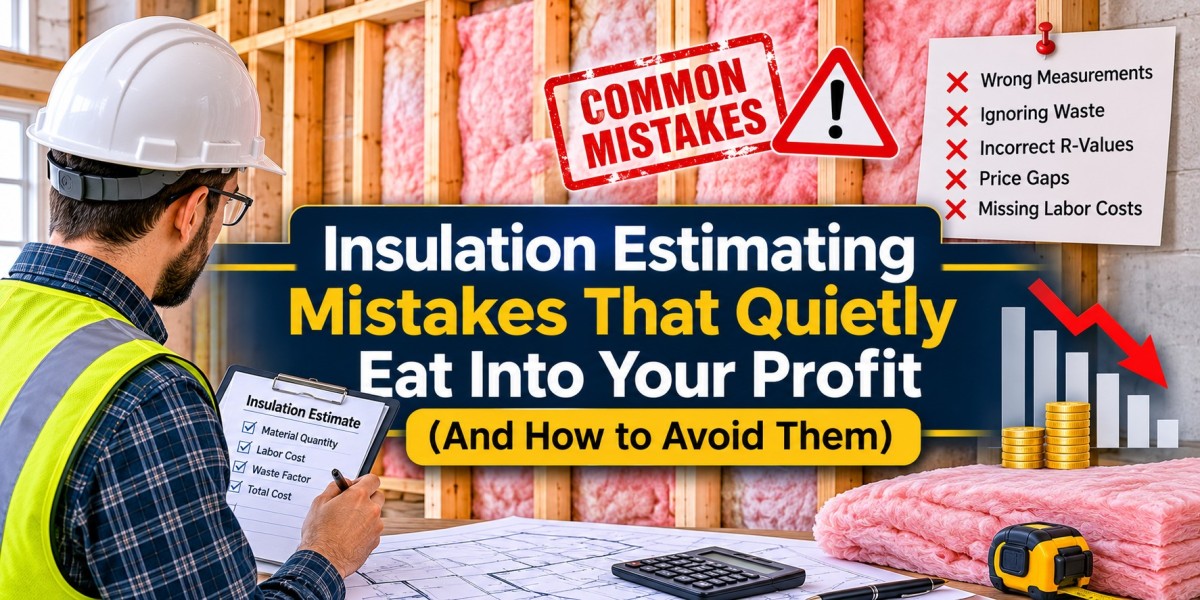

Every contractor knows the feeling. A promising bid lands on your desk, the deadline is tight, and the plans run to hundreds of pages. You can rush the takeoff and hope for the best, or you can skip the bid altogether. Neither option is great for a growing business.
This post looks at why estimating is such a pressure point, what accurate estimates actually require, and how many contractors are solving the problem without adding permanent headcount.
Why Estimating Makes or Breaks a Construction Business
A bid is a promise. If your numbers are too high, you lose the job. If they’re too low, you win it and then watch your margin disappear.
The Cost of Getting It Wrong
A small mistake can ripple through an entire project: a missed section of drywall, an outdated material price, a forgotten contingency. By the time the error shows up on site, there’s no easy way to fix it.
The Cost of Being Slow
Speed matters too. Owners and general contractors often compare many bids at once. If your estimate arrives late, or you simply can’t bid on everything you’re invited to, opportunities pass you by.
What a Good Estimate Actually Includes
A reliable estimate is more than a single total at the bottom of a page. Strong estimates usually include:
Quantity takeoffs: accurate counts and measurements pulled from the drawings
Material costs: based on current, local pricing rather than old numbers
Labor costs: realistic hours and rates for your region
Equipment and overhead: the costs that often get forgotten
Contingencies and assumptions: clearly stated so everyone knows what’s included and what isn’t
Organised by Trade
Estimates are easiest to review when they follow a standard structure, such as CSI divisions. That way concrete, masonry, MEP, roofing, and finishes can each be checked on their own.
The Hidden Cost of Doing It All In-House
Building an internal estimating department sounds sensible, but it comes with real overhead:
Salaries and benefits for experienced estimators
Takeoff and estimating software licences
Training and keeping up with changing codes and materials
Idle time during slow seasons and overload during busy ones
For many small and mid-sized contractors, those costs don’t match the rhythm of their workload. Some months there’s too little to do. Other months the team can’t keep up.
Why Outsourcing Estimating Is Growing
Outsourcing lets you scale up or down as your bid volume changes. Instead of carrying a full-time cost, you bring in help when you need it.
Benefits Worth Considering
Flexibility: handle more bids without more payroll
Speed: turnaround times can be measured in days rather than weeks
Specialised knowledge: access to people who work across many trades every day
A second opinion: fresh eyes on your plans can catch things you’ve overlooked
If you’re curious what a full-service provider looks like, Universe Estimating is one example of a company that offers construction estimating and takeoff services across residential, commercial, and industrial projects.
How to Choose an Estimating Partner
Not every provider is the same. Before you hand over your plans, look for these signs.
Clear Scope and Deliverables
You should know exactly what you’ll receive: itemised takeoffs, cost breakdowns, assumptions, and exclusions.
Local Pricing
Material and labor costs vary widely between regions. Make sure estimates reflect where your project will actually be built.
Trade Coverage
If your projects involve multiple trades, it helps to work with a team that can cover them consistently rather than juggling several vendors.
Confidentiality
Your drawings and bid strategy are sensitive. A good provider treats them as private and is willing to sign an NDA.
Responsive Communication
Quick answers to questions matter, especially when a bid deadline is looming.
Tips for Getting the Best Results From Outside Estimators
Even the best provider can only work with what you give them. A few habits help:
Send complete, up-to-date plans in a clear format
Include a short scope description and any special requirements
Flag unusual conditions, such as union labor or tight phasing
Ask questions early rather than waiting for the final delivery
Review the estimate against your own experience before you submit
A Simple Checklist Before You Submit Any Bid
Have all drawing sheets and addenda been reviewed?
Are material prices current for my area?
Have labor, equipment, and overhead been included?
Are contingencies and exclusions written down?
Has a second person looked over the numbers?
Final Thoughts
Winning more bids isn’t about guessing better. It’s about having accurate numbers, delivered on time, so you can price confidently and take on the right jobs. Whether you build an internal team, outsource, or combine both, the goal is the same: protect your margins and keep your pipeline full. If you’re weighing options, take a look at what a dedicated construction estimating company can offer and see whether it fits the way you work.







