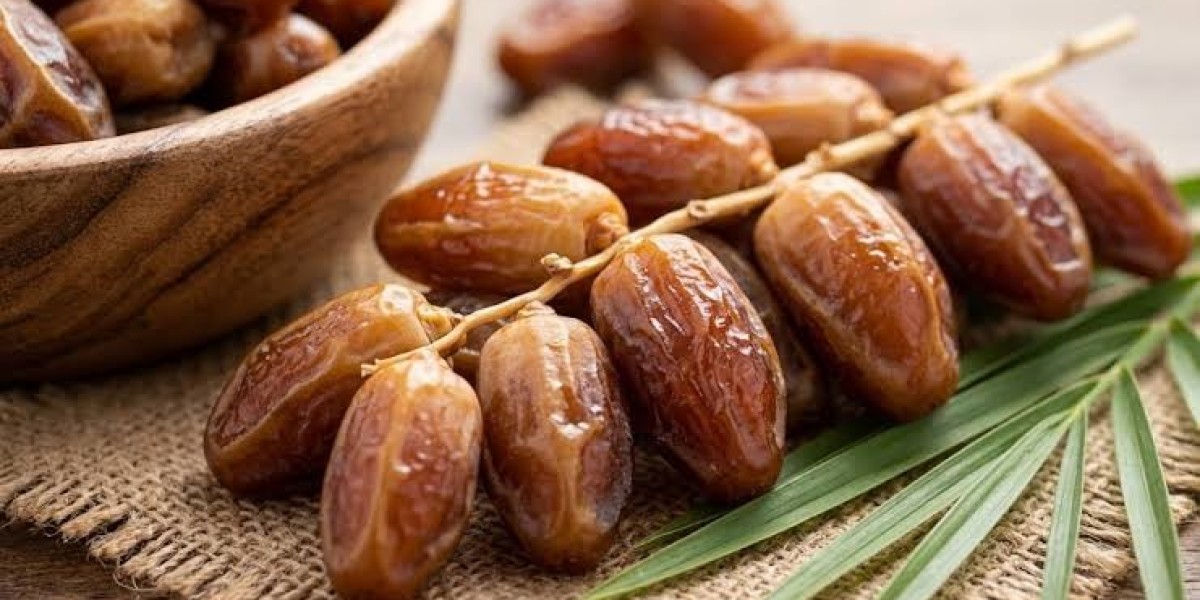

Dates have been enjoyed for centuries across the Middle East, South Asia, and many other parts of the world. Known as khajoor in Pakistan, these naturally sweet fruits are an important part of traditional diets, especially during Ramadan. Whether eaten as a quick snack, served with milk, or added to homemade desserts, dates offer a delicious way to include natural sweetness and valuable nutrients in everyday meals.
In recent years, more people have started exploring natural food options instead of relying heavily on processed snacks and refined sugar. Dates are becoming increasingly popular because they are convenient, versatile, and contain several essential nutrients. However, not all dates taste or feel the same. Different varieties offer different textures, sweetness levels, and culinary uses.
Understanding the nutritional value, popular varieties, and practical uses of dates can help families make better food choices.
1. Why Dates Are an Important Part of Traditional Diets
Dates have a long history in traditional food cultures. In Pakistan, Saudi Arabia, Iran, and other Muslim communities, they hold particular importance because of their religious and cultural significance.
During Ramadan, dates are commonly used to break the fast. Their natural sugars provide a quick source of energy after several hours without food. Outside Ramadan, many families enjoy them with breakfast, tea, or as an afternoon snack.
There are several reasons why dates remain popular:
They are naturally sweet and require no added sugar.
They provide dietary fiber.
They contain minerals such as potassium and magnesium.
They are easy to carry and store.
They can be used in sweet and savory recipes.
They are available in different varieties and price ranges.
Their convenience makes them suitable for busy lifestyles. Instead of reaching for packaged sweets, people can enjoy a few dates alongside nuts or other nutritious foods.
2. Understanding the Nutritional Value of Dates
Dates contain a combination of carbohydrates, fiber, vitamins, and minerals. Their nutritional composition makes them a useful addition to a balanced eating pattern.
Natural Carbohydrates
Dates contain natural sugars, mainly glucose and fructose. These carbohydrates provide energy, making dates a convenient snack before physical activity or during busy days.
Dietary Fiber
Fiber is an important part of a healthy diet because it supports normal digestion and bowel movements. Dates contain dietary fiber, which can contribute to daily fiber intake when eaten regularly in appropriate portions.
Potassium
Potassium is an essential mineral that supports normal muscle function, nerve signaling, and fluid balance. Dates can contribute to potassium intake as part of a varied diet.
Magnesium
Magnesium supports several important body functions, including muscle and nerve activity. Including dates alongside vegetables, whole grains, seeds, and nuts can help create a nutrient-rich diet.
Antioxidant Compounds
Dates contain naturally occurring antioxidant compounds, including phenolic compounds and flavonoids. These substances help protect plant cells and contribute to the nutritional value of the fruit.
Although dates are nutritious, they also contain concentrated natural sugars and calories. Eating reasonable portions is important, particularly for people monitoring their blood sugar levels.
3. Popular Types of Dates Around the World
One of the interesting things about dates is the variety available. Each type has its own appearance, taste, and texture. Some are soft and juicy, while others are firm and chewy.
Here are some popular varieties worth exploring.
Ajwa Dates
Ajwa dates are particularly famous for their association with Madinah, Saudi Arabia. They are dark in color, moderately sweet, and have a soft, slightly wrinkled texture.
Many people prefer Ajwa dates because of their religious significance and distinctive flavor. They are commonly served during Ramadan and special family gatherings.
Ajwa dates can also be enjoyed with milk, mixed with nuts, or eaten as a standalone snack.
Mabroom Dates
Mabroom dates are known for their elongated shape and chewy texture. They generally have a caramel-like sweetness that makes them enjoyable for people who prefer dates that are not excessively soft.
Their attractive appearance also makes them a popular choice for gifting. They can be served with tea or coffee and added to fruit platters.
Mazafati Dates
Mazafati dates, also known as Iranian dates, are famous for their soft, moist texture and rich sweetness.
Unlike firmer varieties, Mazafati dates have a juicy consistency. They are especially enjoyable when served chilled.
Because of their moisture content, proper refrigeration is recommended to maintain freshness for longer periods.
Sukri Dates
Sukri dates are another popular choice for everyday consumption. They have a naturally sweet flavor and a pleasant texture that falls between soft and firm.
They are suitable for families looking for an enjoyable daily snack without necessarily choosing premium varieties.
Kalmi Dates
Kalmi dates have a traditional appearance and a chewy texture. Their natural sweetness makes them suitable for everyday eating and traditional recipes.
They can be chopped into porridge, mixed into homemade energy bars, or served alongside nuts.
Medjool Dates
Medjool dates are often recognized by their large size, soft flesh, and rich caramel-like taste. They are popular internationally and frequently used in desserts.
Their size and soft texture make them particularly suitable for stuffing with almonds, walnuts, or peanut butter.
4. How to Choose Quality Dates When Shopping
Choosing good-quality dates requires more than simply comparing prices. Freshness, texture, packaging, and storage conditions all matter.
Consider the following factors before purchasing:
Check the Appearance: Quality dates generally have a natural appearance. Avoid products with unusual discoloration, visible mold, or signs of contamination.
Understand the Texture: Some varieties should naturally be soft and moist, while others are supposed to be firmer. Choose according to your preferred texture.
Read the Packaging: Check the product label for ingredients, weight, origin information, and storage instructions.
Compare Varieties: Premium varieties such as Ajwa and Mabroom may cost more than everyday options. Choose a variety that fits your budget and intended use.
Consider Freshness: Dates should be stored and transported properly. Excessive moisture, heat, and poor packaging can affect their quality.
For shoppers who want to compare different varieties before purchasing, this helpful guide to the best dates in Pakistan explains popular options, their characteristics, and practical buying considerations.
5. Health Benefits of Including Dates in Your Diet
Dates offer several nutritional advantages when consumed as part of a balanced diet.
Support Digestive Health
The dietary fiber in dates helps support normal digestion. Fiber contributes to regular bowel movements and can be beneficial for people who do not consume enough fiber through fruits, vegetables, and whole grains.
Adding a small serving of dates to breakfast or an afternoon snack is one simple way to increase dietary variety.
Provide Natural Energy
Dates contain naturally occurring carbohydrates, making them a convenient energy source.
Students, office workers, and physically active individuals can enjoy dates when they need a quick snack between meals.
Contribute to Heart Health
Dates contain potassium and antioxidant compounds that contribute to a heart-conscious eating pattern.
However, maintaining cardiovascular health also requires regular exercise, adequate sleep, and an overall balanced diet.
Help Replace Some Refined Sugars
Dates can be used to sweeten homemade foods without relying entirely on refined sugar.
Blended dates, date paste, and date syrup can add sweetness to smoothies, oatmeal, desserts, and homemade energy bars.
They still contain natural sugars, so portion control remains important.
Support Nutrient Variety
Including dates in a diet alongside nuts, seeds, dairy products, vegetables, and whole grains provides a wider range of nutrients.
No single food provides everything the body needs, but combining different nutritious foods helps create a balanced eating pattern.
6. Creative Ways to Include Dates in Everyday Meals
Dates are not limited to eating directly from the packet. Their natural sweetness and soft texture make them useful in many recipes.
Here are some simple ideas.
Date and Almond Smoothie
Blend two or three pitted dates with milk, almonds, and a banana. This creates a naturally sweet drink suitable for breakfast or an afternoon snack.
Homemade Date Energy Balls
Combine chopped dates, oats, crushed almonds, and peanut butter. Shape the mixture into small balls and refrigerate until firm.
These homemade snacks are convenient for school, work, or travel.
Dates with Yogurt
Chop dates into plain yogurt and add walnuts or pumpkin seeds. This combination provides different textures and makes a satisfying breakfast or snack.
Stuffed Dates
Remove the seeds and fill dates with almonds, walnuts, or pistachios. You can also add a small amount of unsweetened nut butter.
Stuffed dates are suitable for family gatherings and festive occasions.
Date Sweetened Oatmeal
Add chopped dates to warm oatmeal while cooking. Their natural sweetness can reduce the need for additional sweeteners.
Dates in Traditional Desserts
Dates can also be used in kheer, halwa, laddus, homemade biscuits, and other traditional desserts. They add sweetness and a distinctive flavor to familiar recipes.
7. Dates and Ramadan: A Traditional Combination
Ramadan is one of the most important periods for date consumption in Pakistan. Families commonly keep dates at home because breaking the fast with dates and water is a widely followed Islamic tradition.
Different varieties can be used for different occasions.
Ajwa dates are popular for their religious significance.
Mabroom dates are suitable for serving guests.
Mazafati dates are enjoyed by people who prefer soft and moist fruit.
Sukri dates are practical for everyday family consumption.
Dates can also be included in suhoor meals. Pairing a moderate portion with yogurt, milk, oats, or nuts creates a more varied meal.
For iftar, dates can be served with water, fresh fruit, and other traditional foods. A balanced iftar should also include adequate fluids, vegetables, protein, and other nutritious ingredients.
8. Proper Storage Tips to Maintain Freshness
Storing dates correctly helps preserve their texture, flavor, and quality.
Here are some useful storage recommendations:
Keep dates in clean, airtight containers.
Store firmer varieties in a cool, dry place according to the packaging instructions.
Refrigerate softer varieties, particularly those with higher moisture content.
Avoid leaving dates exposed to direct sunlight or excessive heat.
Use clean, dry utensils when removing dates from storage containers.
Check for unusual odors, mold, or signs of spoilage before consumption.
If you purchase dates in bulk for Ramadan or family use, divide them into smaller airtight portions. This reduces repeated exposure to air and moisture.
9. How Many Dates Should You Eat Daily?
The ideal serving depends on individual nutritional needs, activity levels, and overall dietary habits.
For many healthy adults, approximately two to three dates can be a reasonable starting portion for a snack. Larger dates contain more calories and natural sugar, so the appropriate serving may vary.
People with diabetes or those managing blood glucose should consider carbohydrate portions and follow advice from their healthcare professionals.
It is also helpful to combine dates with foods containing protein or healthy fats, such as almonds, walnuts, or plain yogurt. This creates a more balanced snack than eating large quantities of dates alone.
10. Making Better Choices for Your Everyday Pantry
Building a nutritious pantry does not require complicated ingredients or expensive products. Simple foods such as dates, nuts, seeds, whole grains, and natural sweeteners can make everyday meals more interesting.
Dates are particularly useful because they can serve several purposes. They work as standalone snacks, recipe ingredients, natural sweeteners, and traditional Ramadan foods.
When purchasing dates, focus on freshness, quality, variety, and appropriate storage rather than selecting products based only on appearance or price.
Exploring different varieties can also help you discover which dates best match your family's preferences.
Conclusion
Dates are much more than a traditional sweet fruit. They provide dietary fiber, natural carbohydrates, minerals, and antioxidant compounds while offering considerable versatility in everyday cooking.
From Ajwa and Mabroom to Mazafati, Sukri, and Kalmi, each variety brings something different to the table. Whether you enjoy them during Ramadan, use them in homemade desserts, or keep them as an everyday snack, dates can be a valuable addition to a balanced diet.
By understanding their nutritional properties, choosing quality products, and storing them correctly, you can enjoy dates throughout the year and make better-informed food choices for your household.