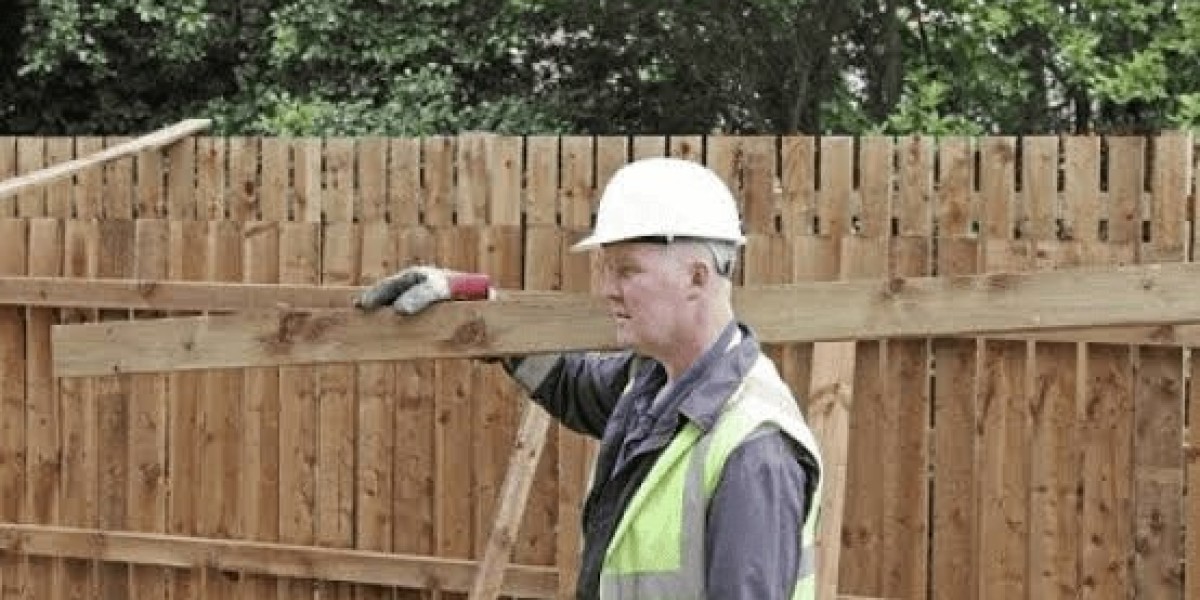

A garden fence does more than mark the boundary of a property. It can influence how private, comfortable and secure an outdoor space feels. One of the most important decisions when choosing fencing is its height. A fence that is too low may leave a garden exposed to neighbouring properties or passing pedestrians, while a taller fence can provide greater screening and create a more secluded environment.
However, choosing the right height is not simply about making a fence as tall as possible. The layout of the garden, the position of neighbouring buildings, local restrictions and the overall appearance of the property should all be considered. Alongside careful fence planning, professional driveway contractor installation can also help create a well-balanced outdoor space that complements the property's overall appearance. Understanding how fence height affects privacy can help homeowners make a practical choice that suits their outdoor space.
Why Fence Height Matters for Privacy
Fence height directly affects how much of a garden can be seen from outside the property. A low fence may define a boundary without offering much visual protection. This can be suitable for front gardens where homeowners want an open appearance, but it may not provide enough privacy for seating areas or outdoor dining spaces.
A taller fence can block more direct views, making it easier to relax without feeling overlooked. It can be particularly useful in gardens that back onto public footpaths, shared spaces or neighbouring properties with elevated windows.
The right height should provide a comfortable level of screening without making the garden feel closed in. It is worth considering how the garden is used before deciding on a particular fence design.
Choosing the Right Fence Height for Different Areas
Front Gardens
Front garden fencing often needs to balance privacy with an attractive and welcoming appearance. Very tall fencing at the front of a property may make the entrance feel enclosed and could be subject to local height restrictions.
Lower fencing can provide a clear boundary while allowing the garden to remain visible from the street. Decorative panels, railings and short timber fences are common options for this type of space.
If additional privacy is needed, homeowners can combine a lower boundary fence with carefully positioned shrubs or planting. This can create screening without making the entrance look overly enclosed.
Back Gardens
Back gardens are often where privacy matters most. Homeowners may use these areas for relaxing, entertaining guests, gardening or spending time with family.
A taller boundary fence can help reduce views from neighbouring gardens and nearby public areas. Solid timber panels are frequently selected because they provide a more continuous screen than open designs.
Before installation, consider the position of patios, seating areas and garden doors. The most useful fence height may depend on where people spend most of their time outdoors.
Side Boundaries
Side boundaries can be overlooked when planning garden improvements, but they may have a significant effect on privacy. A side fence can help screen pathways, utility areas and outdoor storage spaces.
The appropriate height will depend on the property's layout and any relevant local requirements. In narrow gardens, a carefully selected panel design can provide privacy while keeping the space visually balanced.
Factors to Consider Before Increasing Fence Height
Neighbouring Properties
The position and height of neighbouring buildings can affect how useful a taller fence will be. For example, a standard boundary fence may block views at ground level but provide limited screening from upstairs windows.
In these situations, homeowners may need to consider additional options, such as pergolas, trellis panels or suitable planting. These features can improve privacy in specific areas without requiring the entire boundary to become taller.
It is also sensible to discuss proposed changes with neighbours, particularly where the fence is shared or close to a boundary.
Garden Size and Layout
Fence height can change how a garden feels. In a small outdoor space, very tall solid panels may make the area feel narrow or enclosed. A slightly lower design, combined with greenery, may provide a better balance.
Larger gardens can often accommodate taller fencing without creating the same enclosed feeling. The position of the fence, surrounding trees and garden features should all be considered when planning the layout.
Wind Exposure and Ground Conditions
Taller fences can be more exposed to wind, which places additional pressure on posts, fixings and foundations. This is particularly important in open gardens and locations that experience strong winds.
The ground should be assessed before installation to determine the appropriate post depth and support. Fence panels, posts and fixings should be suitable for the expected conditions.
A properly planned installation helps reduce the risk of movement and damage. Simply choosing taller panels without considering their support requirements may lead to problems later.
Popular Fence Styles for Better Privacy
Closeboard Fencing
Closeboard fencing is a popular option for homeowners who want a solid and practical boundary. Its overlapping vertical boards create a continuous screen that helps reduce direct views into the garden.
It can be suitable for a range of property styles and is available in different heights. The timber can also be treated or finished to help protect it from outdoor conditions.
Overlap Fence Panels
Overlap panels are another common choice for residential gardens. Their horizontal boards overlap to create a simple, traditional appearance.
They can provide useful screening while offering a straightforward option for many boundary layouts. The quality of the frame, supporting posts and installation will influence how well the panels perform over time.
Slatted Fencing
Slatted fencing offers a more contemporary appearance. The spaces between the boards allow some light and airflow through, making it useful where a fully solid boundary may feel too enclosed.
The level of privacy depends on the width of the gaps and the angle from which the fence is viewed. Closely spaced slats provide more screening than widely spaced designs.
Decorative Panels With Trellis
Decorative panels with trellis sections can add height and visual interest to a garden boundary. The solid lower section provides screening, while the upper trellis creates space for climbing plants.
This combination can work well for homeowners who want a softer appearance rather than a completely solid fence. The final level of privacy will depend on the panel design and how the planting develops.
Understanding Fence Height Rules and Restrictions
Before installing a new fence or increasing the height of an existing one, check the relevant planning and boundary requirements. Rules can vary depending on the property's location, the position of the fence and whether it borders a road or public pathway.
In England, permitted development rules generally allow fences up to two metres high, but a limit of one metre usually applies next to a highway used by vehicles. Other restrictions and planning conditions may also apply, so homeowners should check with their local planning authority before starting work.
It is also important to establish ownership of the boundary and understand any responsibilities relating to shared fencing. Taking time to check these details can help avoid disagreements or unnecessary changes after installation.
Combining Fencing With Other Garden Improvements
Fencing can be part of a wider outdoor improvement project. A well-designed boundary can complement patios, pathways, lawns and driveway surfaces, helping the entire exterior look more coordinated.
For example, homeowners upgrading their entrance may choose a decorative fence that complements an Imprinted Concrete Driveway. Matching colours and finishes can create a more consistent appearance between the front garden and driveway.
Planting can also soften the appearance of taller fences. Shrubs, climbing plants and border arrangements can add natural colour while helping the boundary blend into the garden.
Why Professional Fence Installation Matters
Correct installation is essential for a fence that looks neat and provides dependable screening. The ground should be checked, the boundary measured and the post positions planned before panels are fitted.
Posts need suitable support, and panels should be installed at the correct level to create a consistent finish. The installer should also consider slopes, corners and changes in ground level so that the fence follows the garden boundary properly.
An experienced Fencing Contractor can help assess the property, discuss suitable heights and recommend materials that match the intended use. Professional guidance is particularly useful where the garden has uneven ground, exposed areas or complicated boundary lines.
Conclusion
The right fence height can make a significant difference to the privacy, comfort and appearance of your garden. Whether you need screening for a seating area, a more enclosed back garden or an attractive front boundary, the best solution will depend on your property's layout, local requirements and preferred fencing style. Coordinating your garden improvements with an Imprinted Concrete Driveway can also help create a consistent and attractive exterior. If you are planning a new boundary or replacing existing panels, contact Advanced Driveway Solutions to discuss your project and explore suitable options. Their team can help you plan your outdoor improvements, including advice on working with a reliable Fencing Contractor, and provide a quotation based on your requirements.
Contact Advanced Driveway Solutions
Advanced Driveway Solutions
10 Altham Rd, Morecambe LA4 4UG, United Kingdom
Phone: +44 7944 680279