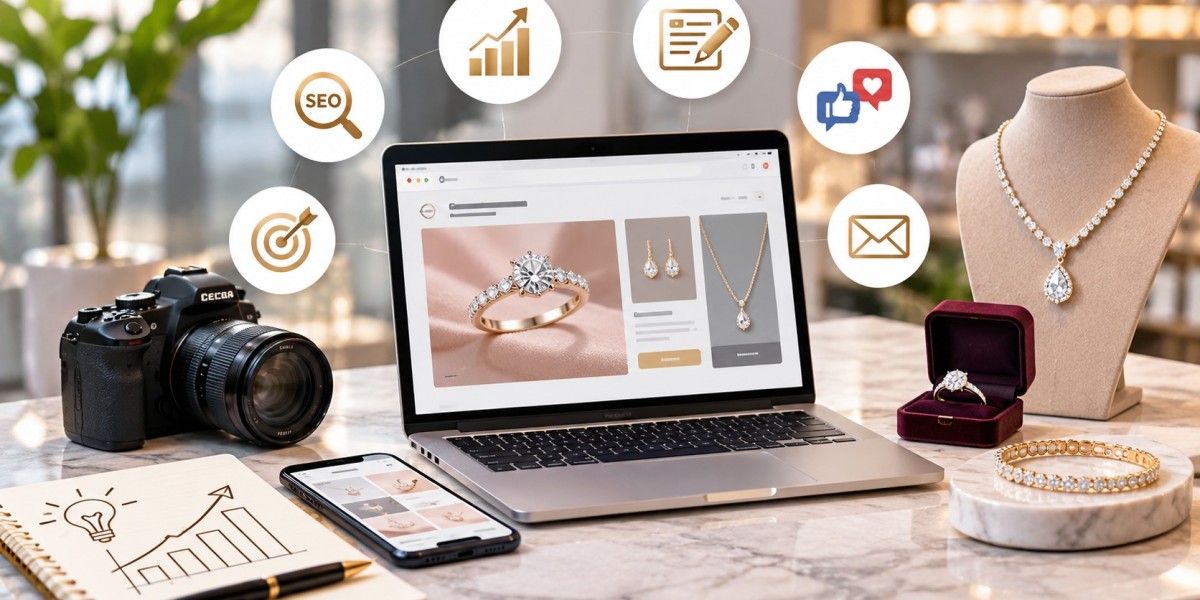

Running a successful jewelry business requires more than offering beautiful rings, necklaces, bracelets, and earrings. Customers want to discover the stories behind jewelry pieces, understand their quality, and feel confident before making a purchase. An effective jewelry content marketing strategy helps brands connect with their audience through valuable information, engaging visuals, and meaningful storytelling. Whether you operate a local jewelry store or an online jewelry business, creating the right content can improve search visibility, build customer trust, and generate more opportunities for sales.
The jewelry market is highly competitive, making it important for businesses to stand out through helpful and original content. Instead of constantly promoting products, successful content marketing focuses on educating, inspiring, and guiding customers throughout their shopping journey.
What Is Jewelry Content Marketing?
Jewelry content marketing is the process of creating and sharing valuable content to attract, educate, and engage potential jewelry customers.
It includes blog articles, social media posts, videos, product guides, email newsletters, and visual storytelling.
The primary goal is to build relationships with potential buyers while helping them discover jewelry products that match their interests, preferences, and budgets.
For example, a jewelry business selling engagement rings could publish an article about choosing the right diamond shape. This content helps shoppers understand their options while introducing them to relevant engagement ring collections.
Unlike traditional advertising, content marketing focuses on providing value before encouraging customers to make a purchase.
Why Content Marketing Is Important for Jewelry Businesses
Buying jewelry often involves emotional and financial decisions. Customers may spend considerable time researching different products before selecting a piece.
A strong content strategy helps businesses reach these customers during the research process.
Builds Customer Trust
Educational content demonstrates knowledge about gemstones, precious metals, jewelry craftsmanship, and product care.
When customers find accurate and useful information, they may feel more confident exploring your products and services.
Improves Organic Search Visibility
Search engine optimized content can help jewelry websites appear for relevant searches on Google and other search engines.
For example, an article targeting "how to choose a diamond necklace" may attract shoppers who are researching diamond jewelry.
Creates Brand Awareness
Publishing useful blogs, videos, and social media content introduces your jewelry brand to audiences who may not already know your business.
Supports Customer Engagement
Interactive content, styling inspiration, and educational videos encourage customers to engage with your brand.
Helps Generate Qualified Leads
Content targeting specific customer questions can bring visitors who have a genuine interest in jewelry products.
These visitors may eventually become customers when they are ready to purchase.
1. Create SEO-Optimized Jewelry Blog Content
Blogging is one of the most effective ways to develop a long-term jewelry content strategy.
A well-structured blog helps jewelry businesses target informational and commercial search queries while showcasing their expertise.
Popular jewelry blog topics include:
How to Choose the Perfect Engagement Ring
Best Necklaces for Everyday Wear
Gold vs. Platinum: Which Is Better for Jewelry?
How to Clean Diamond Jewelry Safely
Different Types of Earrings and Their Styles
Best Anniversary Jewelry Gift Ideas
Understanding Diamond Cuts and Shapes
Each article should answer a specific customer question and provide useful information.
Target Long-Tail Jewelry Keywords
Long-tail keywords typically describe more specific search needs.
For example, instead of targeting only "diamond rings," a jewelry business could create content around:
Best diamond rings for small hands
How to choose an oval engagement ring
Diamond engagement ring buying guide
Popular engagement ring settings
These keywords can help brands connect with customers searching for particular products or information.
2. Use Jewelry Storytelling to Build Emotional Connections
Jewelry is often associated with special memories, relationships, and personal milestones.
Brand storytelling helps communicate the emotional value behind jewelry collections.
A jewelry business can share stories about:
The inspiration behind a jewelry design
How a custom engagement ring was created
The history of a family-owned jewelry store
The craftsmanship involved in handmade jewelry
Meaningful customer gifting experiences
For example, a jewelry designer could explain how a particular necklace collection was inspired by nature, architecture, or cultural artistry.
Authentic stories give customers a reason to remember the brand beyond its product prices.
3. Create High-Quality Jewelry Photography and Videos
Visual content plays an important role in jewelry marketing because customers want to examine details before making a purchase.
Professional product photography can help communicate gemstone brilliance, metal finishes, craftsmanship, and overall design.
Product Photography Ideas
Consider including:
Close-up images showing gemstone details
Multiple angles of rings and necklaces
Jewelry displayed against clean backgrounds
Lifestyle photographs showing how jewelry looks when worn
Side-by-side size comparisons
Photographs of jewelry packaging and presentation
Short-Form Jewelry Videos
Short videos can work well on Instagram Reels, TikTok, YouTube Shorts, and other visual platforms.
Video topics might include:
How to Style Layered Necklaces
Engagement Ring Designs Explained
Behind the Scenes of Jewelry Making
Three Ways to Style Diamond Stud Earrings
Jewelry Gift Ideas for Special Occasions
Videos should represent actual jewelry accurately without misleading editing or unrealistic visual effects.
4. Publish Jewelry Buying Guides
Jewelry buying guides can attract customers who are comparing different products before purchasing.
These guides should explain important details such as materials, gemstone quality, durability, design, and price considerations.
For example, a diamond engagement ring guide could explain:
The four Cs of diamond quality
Popular diamond shapes
Different engagement ring settings
Metal options
Ring sizing
Budget considerations
Jewelry warranties and return policies
Helpful buying guides can reduce uncertainty and support more informed decisions.
Include relevant internal links to product collections so interested readers can explore available jewelry options.
5. Develop a Jewelry Social Media Content Strategy
Social media allows jewelry brands to showcase products, share inspiration, and communicate directly with customers.
However, posting only product photographs can make a social media profile repetitive.
A balanced jewelry social media strategy should combine promotional, educational, and entertaining content.
Instagram Content Ideas
Instagram is well suited to visually appealing jewelry content.
Post ideas include:
New jewelry collection showcases
Jewelry styling tutorials
Behind-the-scenes photography
Customer testimonials shared with permission
Close-up gemstone videos
Seasonal jewelry trends
Pinterest Marketing for Jewelry Brands
Pinterest can help customers discover jewelry ideas while planning outfits, weddings, and special occasions.
Businesses can create boards for engagement rings, bridal jewelry, gold necklaces, and anniversary gift ideas.
Use descriptive pin titles and link to relevant product or blog pages.
YouTube Jewelry Content
Longer videos can provide detailed information about jewelry quality, craftsmanship, and product comparisons.
For example, a video explaining natural versus lab-grown diamonds can support customers researching engagement rings.
6. Create Seasonal Jewelry Marketing Campaigns
Jewelry shopping demand often increases around gifting occasions and seasonal events.
Planning content ahead of these occasions helps jewelry businesses prepare relevant promotions and educational resources.
| Occasion | Jewelry Content Idea |
|---|---|
| Valentine's Day | Romantic necklaces and heart jewelry gift guides |
| Mother's Day | Meaningful jewelry gifts for mothers |
| Wedding season | Bridal jewelry and wedding band styling |
| Graduation | Personalized jewelry gifts for graduates |
| Black Friday | Jewelry buying tips and shopping guides |
| Christmas | Holiday jewelry gifts for different budgets |
| Anniversaries | Diamond jewelry and personalized gift ideas |
Seasonal articles should ideally be published before peak shopping periods so customers have time to discover them.
Businesses can also update successful seasonal content rather than creating nearly identical articles every year.
7. Use Email Marketing to Build Customer Relationships
Email marketing is an important part of a comprehensive jewelry marketing strategy.
It allows businesses to communicate with customers who have chosen to receive updates.
Useful jewelry email campaigns include:
Welcome Emails: Introduce new subscribers to your brand, collections, and services.
Jewelry Care Tips: Share helpful guidance for maintaining jewelry.
New Collection Announcements: Inform interested customers when new designs become available.
Seasonal Gift Guides: Recommend jewelry for birthdays, anniversaries, and holidays.
Customer Follow-Ups: Provide useful post-purchase information and care recommendations.
Personalized email campaigns should be relevant to subscriber preferences and comply with applicable email marketing requirements.
8. Improve Local Jewelry SEO With Relevant Content
Local jewelry stores can use content marketing to attract customers searching for nearby jewelers.
Location-specific articles and service pages can help businesses communicate what they offer and which areas they serve.
Examples of local jewelry content include:
Engagement Ring Shopping Guide for Local Couples
What to Expect During a Jewelry Repair Appointment
How to Choose a Trusted Local Jeweler
Custom Jewelry Design Services Explained
Tips for Buying Wedding Bands From a Local Jewelry Store
Local jewelry businesses should also maintain accurate contact details, location information, business hours, and relevant services on their Google Business Profile.
Location pages should offer genuinely useful local information rather than repeating identical content with different city names.
9. Publish Jewelry Comparison Articles
Comparison articles are valuable because many jewelry buyers want to understand the differences between similar products.
These articles can target commercial research searches and help customers evaluate options.
Popular comparison topics include:
White Gold vs. Platinum
Moissanite vs. Diamond
Natural Diamonds vs. Lab-Grown Diamonds
Tennis Bracelets vs. Bangles
Solitaire vs. Halo Engagement Rings
14K Gold vs. 18K Gold
A useful comparison should explain the appearance, durability, maintenance, pricing considerations, and suitability of each option.
Avoid presenting one product as universally better when the right choice depends on individual preferences.
10. Create Customer-Focused Jewelry FAQs
Frequently asked questions provide opportunities to answer common shopping concerns.
Jewelry brands can develop dedicated FAQ sections or create individual blog articles for detailed questions.
Examples include:
How Do I Choose the Right Necklace Length?
Explain common chain lengths and how they sit on different necklines.
Is 14K Gold Suitable for Everyday Jewelry?
Discuss durability, gold content, and maintenance considerations.
How Often Should Fine Jewelry Be Inspected?
Explain why periodic professional inspection may help identify loose stones or worn settings.
What Is the Best Way to Store Jewelry?
Offer practical advice for protecting necklaces, rings, earrings, and delicate gemstones.
Clear answers improve the shopping experience while supporting informational search visibility.
11. Optimize Jewelry Content for Google and AI Search
Search engines increasingly use AI-powered features to help users discover and understand information.
Jewelry brands should focus on creating content that is accurate, clearly structured, and genuinely helpful.
Demonstrate Real Jewelry Expertise
Include specific information about materials, craftsmanship, gemstone properties, and jewelry care.
Whenever possible, use insights from qualified jewelers, gemologists, or experienced jewelry professionals.
Use Clear Headings and Direct Answers
Organize articles with meaningful headings and concise explanations that address customer questions.
Add Original Photography
Original product photography and authentic craftsmanship images can make content more useful and distinctive.
Include Relevant Structured Data
Where appropriate, use supported structured data types such as Product, BreadcrumbList, Organization, and LocalBusiness.
Structured data should accurately reflect visible page content and follow search engine guidelines.
Strengthen Internal Linking
Connect educational articles with relevant collections, services, and related guides.
This helps customers navigate the website and discover additional useful information.
Optimization for AI-powered search does not guarantee inclusion in AI-generated answers, but clear, trustworthy content is a sound foundation for search visibility.
12. Measure Your Jewelry Content Marketing Performance
Publishing content regularly is useful, but measuring results is equally important.
Jewelry businesses should track how their content supports their overall marketing goals.
Important performance indicators include:
Organic search traffic
Keyword visibility
Website engagement
Product page visits
Email sign-ups
Qualified inquiries
Online purchases
Conversion rates
Revenue attributed to marketing campaigns
Google Search Console can provide insight into search queries, impressions, and clicks.
Analytics platforms can help businesses understand website behavior and conversions.
Reviewing these metrics helps identify successful content and opportunities for improvement.
Common Jewelry Content Marketing Mistakes to Avoid
Even a well-designed jewelry website can struggle to attract customers when its content strategy lacks direction.
Keyword Stuffing
Repeating the same keyword excessively can make content difficult to read. Use primary and related keywords naturally.
Duplicate Product Descriptions
Using identical manufacturer descriptions across many jewelry pages can limit differentiation.
Create accurate, original descriptions that explain individual product features.
Low-Quality Images
Blurry or misleading jewelry photographs can reduce customer confidence.
Use clear, realistic photographs that accurately represent the product.
Publishing Without Search Intent
Before creating an article, determine whether the intended audience wants information, product comparisons, or a place to purchase.
Ignoring Existing Content
Older articles should be reviewed to ensure product links, pricing information, and recommendations remain accurate.
How to Build a Successful Jewelry Content Marketing Plan
A structured content plan makes it easier to maintain consistency and measure progress.
Step 1: Identify Your Target Customers
Determine whether your business primarily serves engagement ring shoppers, luxury jewelry collectors, fashion jewelry buyers, or customers looking for personalized gifts.
Step 2: Research Relevant Keywords
Find search queries that match your jewelry collections and customer needs.
Step 3: Create Content Categories
Organize your strategy around jewelry education, styling, gift guides, product comparisons, and brand stories.
Step 4: Develop a Publishing Calendar
Plan blog articles, videos, emails, and social posts according to available resources and seasonal opportunities.
Step 5: Connect Content With Products
Add useful internal links that guide readers toward suitable collections or services.
Step 6: Analyze and Improve
Evaluate search traffic, customer engagement, and conversions to refine your strategy.
Final Thoughts
Jewelry content marketing helps businesses connect with customers by offering more than product listings and promotional messages.
Educational blogs, professional photography, authentic brand stories, styling inspiration, and helpful shopping guides can strengthen a jewelry brand's online presence.
The most effective strategies focus on answering customer questions, demonstrating genuine expertise, and creating valuable experiences throughout the buying journey.
Whether you operate a small jewelry boutique or a growing eCommerce brand, investing in consistent, high-quality content can support stronger search visibility, customer trust, and long-term business growth.