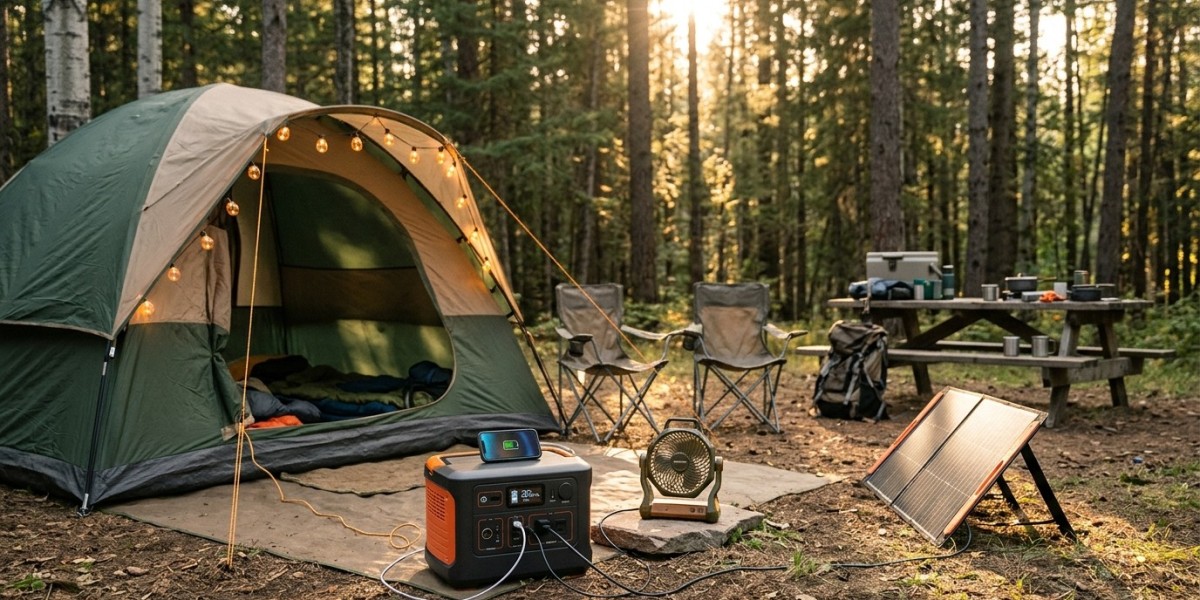

Camping provides an opportunity to spend time outdoors, enjoy natural surroundings, and take a break from everyday routines. However, modern camping often involves electronic equipment that needs a dependable source of electricity. Phones, cameras, portable lights, GPS devices, and other accessories can require regular charging, especially during longer trips. A powerstation camping setup can provide stored electricity for selected devices without depending entirely on a vehicle or campsite electrical connection.
Portable power stations are available in different sizes, making them suitable for different outdoor activities. A short weekend trip may only require a compact battery unit, while an extended camping stay may need more capacity and flexible charging options. Understanding these differences helps campers prepare an appropriate electrical setup.
Why Electricity Matters During Camping
Electricity can make outdoor trips more convenient without replacing the experience of spending time in nature.
Many campers carry electronic devices for communication, navigation, photography, and lighting. These devices can be useful during both planned activities and unexpected situations.
Common camping equipment includes:
Mobile phones.
Rechargeable lanterns.
Cameras.
GPS devices.
Portable speakers.
Tablets and laptops.
Small compatible fans.
Selected low-power appliances.
The amount of electricity required depends on how many devices are carried and how frequently they are used.
Understanding Portable Power Stations
A portable power station is a rechargeable battery unit designed to store electricity and provide power through different output ports.
Depending on the model, it may include AC outlets, USB-A ports, USB-C connections, and DC outputs. These connections allow users to operate or recharge compatible electronic equipment.
Unlike a fuel generator, a battery power station stores energy rather than generating it through combustion. This makes it useful in locations where campers want a rechargeable power source without engine noise or fuel storage.
However, a portable power station still has operating limits. Users should always check the manufacturer's specifications before connecting equipment.
Selecting the Right Battery Capacity
Battery capacity is usually measured in watt-hours (Wh). It indicates how much energy a power station can store.
A smaller unit may be suitable for charging phones, cameras, and rechargeable lights. Larger units may support more devices or provide longer operating times.
Before selecting a model, estimate the electricity requirements of your camping equipment.
For example, consider:
How many phones need charging?
How many hours will the lights operate?
Will cameras or laptops need regular charging?
Are any appliances expected to run for extended periods?
How many days will the trip last?
A simple estimate can help identify the required capacity:
Energy requirement (Wh) = Device power (W) × operating time (hours)
For devices that are charged rather than operated directly, check the manufacturer's charging specifications. Real-world energy use may be higher than the rated battery capacity of the connected device because of conversion losses.
A powerstation camping arrangement should provide enough usable energy for the planned activities while leaving a reasonable reserve for unexpected needs.
Output Ports and Device Compatibility
The number and type of output ports can influence how convenient a power station is during camping.
USB connections are useful for phones and smaller electronics. USB-C ports may support compatible laptops and other higher-power devices. AC outlets can operate suitable household-style equipment, provided the power station has sufficient inverter output.
Check the following:
Number of available USB ports.
USB-C output rating.
AC outlet rating.
DC output specifications.
Continuous inverter power.
Surge capacity where relevant.
Do not assume that every power station can operate every camping appliance. Some devices require more power than compact units can provide.
Solar Charging for Outdoor Trips
Solar charging can provide an additional way to replenish battery energy while camping.
Compatible solar panels convert sunlight into electricity, which is then stored in the power station. This can reduce dependence on vehicle charging or access to campsite electricity.
However, solar performance varies with several factors:
Available sunlight.
Weather conditions.
Panel wattage.
Panel orientation.
Shade from trees or nearby objects.
The power station's maximum solar input.
A panel's advertised wattage does not guarantee the same output throughout the day. Cloud cover, heat, and positioning can reduce charging performance.
Before buying a solar panel, confirm that its connector, voltage, and output are compatible with the power station.
Portability and Weight
Portability is especially important when camping because equipment may need to be carried between a vehicle, tent, and outdoor activity area.
Compact power stations are generally easier to transport and store. Larger models may provide more capacity but can be difficult to move over uneven ground.
Consider the following physical characteristics:
Total weight.
Handle design.
Overall dimensions.
Carrying case availability.
Storage requirements.
Protection recommended by the manufacturer.
If the camping location requires walking a long distance from a parking area, a smaller unit may be more practical than a heavy high-capacity model.
Battery Technology and Durability
Portable power stations use different battery technologies, including lithium iron phosphate (LiFePO4) and lithium nickel manganese cobalt oxide (NMC).
LiFePO4 batteries are often selected for their cycle-life characteristics and thermal stability. NMC batteries are commonly used where energy density and compact design are important.
The actual performance of a power station depends on its complete design, including battery cells, battery management, inverter, cooling system, and charging components.
Outdoor users should also review the manufacturer's operating temperature range and storage recommendations. A power station should not be exposed to rain, excessive heat, or other conditions outside its approved operating limits.
Using Power Stations for Different Camping Activities
Different camping styles create different electricity requirements.
Weekend Tent Camping
A short camping trip may require power for phones, lanterns, cameras, and small electronic accessories. A compact unit may be sufficient when energy consumption is limited.
Car Camping
Car camping provides more flexibility because equipment can be transported in a vehicle. Campers may be able to carry a larger battery unit, although vehicle charging compatibility should still be verified.
Extended Camping Trips
Longer trips require more careful energy planning. Solar charging may help replenish stored electricity when sunlight and suitable conditions are available.
Campers should estimate daily energy use and consider how much reserve capacity is needed between charging opportunities.
Photography and Outdoor Recording
Cameras, batteries, drones, and laptops may require frequent charging during outdoor photography trips. The required output ports and charging specifications should be checked before selecting a power station.
Safety During Outdoor Use
Outdoor conditions can create challenges for electronic equipment. Moisture, dust, direct sunlight, and extreme temperatures may affect battery performance and safety.
Follow the manufacturer's instructions for outdoor operation.
Important precautions include:
Keep the unit protected from rain and water.
Avoid placing it in direct sunlight for extended periods.
Use compatible charging accessories.
Keep ventilation areas clear.
Avoid overloading the AC outlets.
Inspect cables for damage.
Store the unit according to manufacturer guidance.
A portable power station should be placed on a stable, dry surface. It should not be covered in a way that blocks its cooling system.
Organizing a Camping Power Setup
A simple organization plan can make a camping electrical setup easier to manage.
Start by listing the devices that need electricity. Group them according to their importance and charging requirements.
Keep charging cables together in a dedicated storage pouch. Place the power station somewhere accessible but protected from weather and accidental contact.
It may also help to charge essential devices before leaving home. This reduces the amount of energy needed during the trip.
Avoid leaving devices connected unnecessarily. Switching off equipment when it is not in use can help conserve stored battery energy.
Comparing Prices and Features
Portable power stations vary significantly in price. Cost depends on battery capacity, output power, charging speed, battery chemistry, display features, and supported accessories.
When comparing products, review the complete specifications rather than focusing on a single advertised feature.
Important purchasing considerations include:
Usable battery capacity.
Continuous AC output.
Supported solar input.
USB-C charging capability.
Battery cycle-life information.
Product weight.
Warranty coverage.
Manufacturer support.
A lower-priced model may be suitable for simple charging needs, while a more expensive option may offer additional capacity or charging flexibility. The right choice depends on the camping equipment and expected trip duration.
Common Camping Power Mistakes
One common mistake is buying a power station without estimating device consumption. This can result in insufficient battery capacity during a trip.
Another mistake is assuming that solar panels will always deliver their advertised output. Weather and panel positioning can affect charging performance.
Some campers also overlook weight and storage requirements. A large power station may be inconvenient when space is limited or the campsite is far from the vehicle.
Finally, using incompatible charging accessories can create performance and safety problems. Always check the manufacturer's approved specifications.
Conclusion
A well-planned powerstation camping setup can make outdoor activities more convenient by providing electricity for essential devices and compatible equipment. Battery capacity, output ports, solar charging, portability, battery technology, and safety requirements should all be considered before purchasing. A suitable power station should match the expected energy demand without adding unnecessary weight or complexity. By planning device usage and following manufacturer instructions, campers can prepare a practical electricity solution for their outdoor trips.
Frequently Asked Questions
What can a portable power station run during camping?
Depending on its capacity and output, it may power compatible phones, lights, cameras, laptops, and selected small appliances.
Is solar charging useful for camping?
Yes. Compatible solar panels can replenish stored battery energy when sunlight and suitable charging conditions are available.
What battery capacity is suitable for camping?
The required capacity depends on the number of devices, their energy consumption, and the length of the trip.
Can a portable power station be used inside a tent?
Follow the manufacturer's instructions and ensure that the unit is used in a dry, suitable, and ventilated location. Never use a fuel-powered generator inside a tent.
Should campers choose a lightweight power station?
Weight matters when equipment must be carried over long distances. The best balance depends on the required battery capacity and transportation arrangements.







