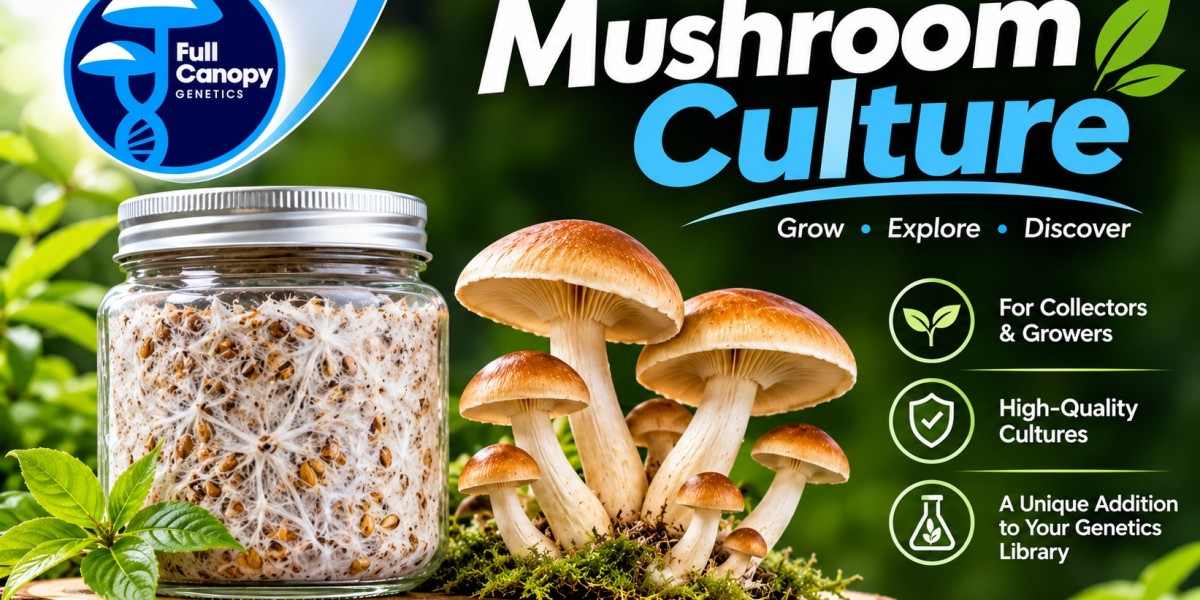

Mushroom culture is a living network of fungal mycelium suspended in a nutrient rich liquid; it is the starting point for almost every home grown. Instead of beginning with a finished mushroom, a cultivator begins with the vegetative body of the fungus, the mycelium gives it everything it needs to colonise a substrate. Once that network is established, the fungus can produce mushrooms under the right conditions. A single mushroom culture carries the genetic identity of the cultivar it came from. That matters, because two cultures sold under different names can behave quite differently when it comes to colonisation speed, fruiting shape and cap colour.
This is why experienced growers talk about genetics so much. They are not just buying a product; they are choosing a particular living line to work with.For anyone new to the hobby, the term can sound technical, but the idea is simple. Culture is your starter. The grow bag or jar is your growing space. Your care, patience and clean handling do the rest. This guide walks through what to look for in premium mushroom culture, how sizes work, how to read a product page and how to build a collection you will be proud of.
Why Mushroom Culture Matters More Than Most Buyers Realise
Fungi are not plants. They sit in their own biological kingdom; they are in fact more closely related to animals than to plants. Fresh mushrooms are roughly 90 percent water, which is part of why they respond so strongly to humidity and fresh air during fruiting. The mycelium underneath does the real work, spreading through material, breaking it down and absorbing nutrients. Because the mycelium is what you are actually buying, the quality of the culture decides the quality of everything that follows. A weak or contaminated culture will struggle no matter how good your bags, your room or your technique.
A vigorous, clean culture gives you a head start and forgives the small mistakes every grower makes early on.Think of it the way a gardener thinks about seed. You can have rich soil and perfect light, but poor seed produces a poor garden. In the same way, premium mushroom culture is the single biggest lever you control before the growth even begins. That is why serious cultivators spend time comparing sources, reading descriptions and asking questions before they order.
How to Buy Mushroom Culture With Confidence
When people decide to buy mushroom culture, the first question is usually about trust. Is the product clean? Is it handled carefully? Will it arrive viable? The answers come from how the seller prepares, packs and describes each item. Look for a seller that explains how each culture is produced and tested, shows clear photos of the actual product and lists the size in millilitres. It also helps when the seller names the cultivar plainly instead of hiding behind vague labels.
If a product page tells you nothing about what you are getting, that is a signal to look elsewhere.You can browse a full range of Buy Mushroom Culture options starting with the Beginner Golden Teacher 10 mL, which is a sensible first pick because it is positioned for newer growers and comes in a manageable size. Starting small lets you learn the handling steps without a large upfront commitment.
Understanding Mushroom Culture Sizes 10 mL, 30 mL and 60 mL
Mushroom culture sizes are measured in millilitres; the three most common sizes are 10 mL, 30 mL and 60 mL. To put those numbers in context, 10 mL is about two teaspoons, 30 mL is just over one fluid ounce and 60 mL is just under two fluid ounces. A 10 mL size is ideal for trying a new cultivar, for a single grow bag or for adding something to a collection without a big spend. A 30 mL size suits growers who want to inoculate several bags or hold some back for later. A 60 mL size is better for those scaling up, working through multiple containers or sharing across a small project.
The table below summarises how the sizes compare so you can match the volume to your plan.
Mushroom Culture Size | Approximate Volume | Best For | Typical Use |
10 mL | About 2 teaspoons | First time buyers, trying a new cultivar | One or two grow bags |
30 mL | About 1 fluid ounce | Regular growers, small batches | Several bags or jars |
60 mL | About 2 fluid ounces | Scaling up, long term projects | Multiple batches over time |
Whichever size you pick, always check the individual product page for the exact volume and storage instructions, because details can differ between products.
What Makes a Mushroom Culture “Premium”?
The word premium gets used loosely, so it helps to define it. A premium mushroom culture should have several qualities that you can actually check.
First, cleanliness. The liquid should look clear to lightly cloudy with visible mycelium, not murky, slimy or discoloured. Second, clear labeling. You should know the cultivar name, the size and the date or batch information. Third, careful packaging. The culture should arrive sealed, protected from heat and impact. Fourth, an honest description. A good seller describes visual traits and growing behaviour without making exaggerated promises.
That last point deserves emphasis. Responsible sellers avoid claims they cannot support. At Full Canopy Genetics, the standard approach is simple appearance is not a guarantee of yield we don’t make claims beyond visual traits. That honesty is itself a quality marker, because sellers who overpromise usually underdeliver.
Finally, consider the support behind the product. A seller who answers questions, explains handling and stands behind shipping is worth far more than one with a slightly lower price and no guidance.
Exploring Mushroom Culture Varieties
One of the best parts of this hobby is variety. Different cultivars have different looks, different growth habits and different personalities. Some colonise quickly. Others take their time but reward you with striking appearance. Some are forgiving, while others suit growers who enjoy a challenge. Browsing Mushroom Culture Varieties is a good way to see how much range exists; the Albino Penis Envy Revert (APER) is a good example of a cultivar that collectors often seek out for its distinctive appearance.
Reading each description carefully helps you decide which traits matter most to you, whether that is a pale colouring, a compact form or beginner friendly behaviour.When comparing varieties, look at a few practical things. How is the cultivar described in terms of growth habit? Is it labelled as beginner friendly? Does the seller show the cultivar in real photos? Does the listing mention any handling notes? These details help you choose with your eyes open rather than guessing.
Unique Mushroom Cultivars for Collectors
Many cultivators eventually move beyond simply growing and begin collecting. A collector is interested in the lineage, the look and the story behind each cultivar. They keep notes, compare results and slowly build a personal genetics library. If that sounds like you, seek out Unique Mushroom Cultivars that stand out visually.
Albino Bluey Vuitton is a good example of a cultivar that appeals to growers who like distinctive traits and want something a little different from the usual starter options.Collectorready cultures are best treated with care. Keep a simple log of the date you received each culture, where you stored it and how it performed. Over time, that log becomes valuable. It turns a random group of products into a genuine collection with history and meaning it helps you decide what to add next.
Premium Mushroom Cultivars What to Look For
Premium cultivars usually share a few traits that make them worth the investment. They tend to be stable, meaning they behave predictably from one growth to the next. They are well described, so you know what to expect. And they are handled by a seller who understands biology. Among the more talkedabout options, Premium Mushroom Cultivars such as Albino Jedi Mind Fck (AJMF) attract attention because of their look and reputation within the hobby.
Whether a cultivar becomes your favourite is a personal matter, but a solid description and clear visuals let you judge for yourself.A practical tip do not chase names alone. Popular names can be exciting, but the best cultivar for you depends on your experience, your equipment and your patience. A beginner often does better with a reliable, forgiving line than with the rarest option on the shelf. Build skill first, then expand your collection.
Storing and Handling Mushroom Culture
Good storage protects your investment. Many growers keep mushroom culture in a cool, dark place. A lot of them use a refrigerator in the range of 2 to 8 degrees Celsius to slow down aging. Always follow the specific storage guidance on the product page or packaging, because recommendations can vary. Before use, let the culture come up to room temperature and gently agitate it so the mycelium is evenly distributed.
Work in a clean space, wipe surfaces and keep your hands and tools as clean as possible. Cleanliness is the single most important habit in this hobby.Watch for warning signs. Unusual colours such as green or black, a slimy texture, a sour or unpleasant smell or sudden heavy cloudiness can all suggest contamination. If something looks wrong, do not use it. It is far cheaper to replace a culture than to lose an entire batch of bags.
Where to Start Browsing
If you are ready to look at what is available, the easiest approach is to visit a dedicated Mushroom Culture Collection page where every cultivar is grouped together with sizes and descriptions. Seeing everything in one place makes comparison simple and helps you spot patterns in what you like. Take your time. Open a few product pages, compare descriptions and note the sizes available.
Make a short list of two or three cultivars rather than trying to buy everything at once. Starting with a focused selection keeps your costs sensible and your learning curve gentle.Once you have a shortlist, think about your goals. Do you want a relaxed first growth, a distinctive addition to your library or a batch of several cultures to compare? Your answer shapes both the cultivar and the size you choose.
Shopping Online What to Expect
Ordering online is the norm for this hobby; a wellrun Online Mushroom Culture Store makes the process straightforward. You should expect clear product pages, simple checkout, tracked shipping and responsive customer support. Shipping matters because mushroom culture is a living product. Heat and long transit can reduce viability, so sellers who pack carefully and ship promptly deserve extra credit.
When your order arrives, inspect the packaging, check that the seal is intact and store the culture right away according to the instructions.Do not be shy about contacting support before ordering. Good sellers are happy to explain handling, answer questions about sizes and help beginners choose. That kind of service is a sign you are dealing with people who care about the outcome, not just the sale.
Mushroom Culture for Home Cultivators
Home cultivators are the heart of this hobby. They work in kitchens, spare rooms and garages, learning through patience and trial. For them, simplicity matters. A beginner friendly cultivar, a manageable size and clear instructions can turn a nervous first attempt into a confident one. A solid starting point is Mushroom Culture for Home Cultivators such as the Beginner Cascadian Teacher 10 mL, which is aimed at newer growers and offered in a size that keeps the first project simple.As you gain experience, you can branch out. Try a second cultivar. Compare how each one colonises and fruits. Keep notes. Within a few grows you will have your own opinions. Those opinions are the foundation of a genuine collection.
Common Mistakes to Avoid
Even careful beginners fall into a few predictable traps. The first is skipping cleanliness. Dirty tools and unwashed hands cause more failures than almost anything else. The second is buying too much too soon. A large order is exciting, but starting with one or two cultures teaches you more than a stack you cannot manage. The third is ignoring storage. A culture left in a warm cupboard for weeks will not perform like one stored properly.
The fourth is impatience. Mycelium works on its own schedule, rushing it rarely helps. The fifth is choosing by hype instead of fit. The most talked about cultivar is not always the best match for your skill level.Finally, remember to follow the laws and regulations that apply where you live. Cultivation rules vary; responsible hobbyists check what is permitted before buying or growing anything.
Key Facts About Mushroom Culture
Mushroom culture is a liquid suspension of living mycelium, the vegetative body of a fungus.
Fungi form their own kingdom and are more closely related to animals than to plants.
Fresh mushrooms are about 90 percent water.
Common sizes are 10 mL, 30 mL and 60 mL.
Cool, dark storage helps preserve a culture many growers use 2 to 8 degrees Celsius.
Visual signs such as green or black colouring, a slimy texture or a sour smell suggest contamination.
Appearance is not a guarantee of yield; we don't make claims beyond visual traits.
Frequently Asked Questions(FAQs)
What is mushroom culture used for?
Mushroom culture is used to start new growth. A small amount is introduced into a prepared substrate such as a grow bag and the mycelium spreads through it before fruiting begins.
How do I choose the right mushroom culture size?
Choose 10 mL to try a cultivar or inoculate a single bag, 30 mL for several bags or small batches 60 mL if you are scaling up or planning multiple projects.
How long does mushroom culture last?
Shelf life depends on the product and how it is stored. Keeping it cool and dark generally helps the product page will give the most accurate guidance for each item.
How can I tell if a mushroom culture is contaminated?
Look for green or black patches, a slimy texture, a sour smell or heavy murkiness. If you notice any of these, do not use the culture.
Is mushroom culture suitable for beginners?
Yes, especially when you choose a beginner friendly cultivar in a small size and follow clean handling practices. Starting simple builds confidence quickly.
Do I need to check local laws before buying?
Yes, Rules about cultivation differ from place to place, so confirm what is permitted where you live before you order or grow.