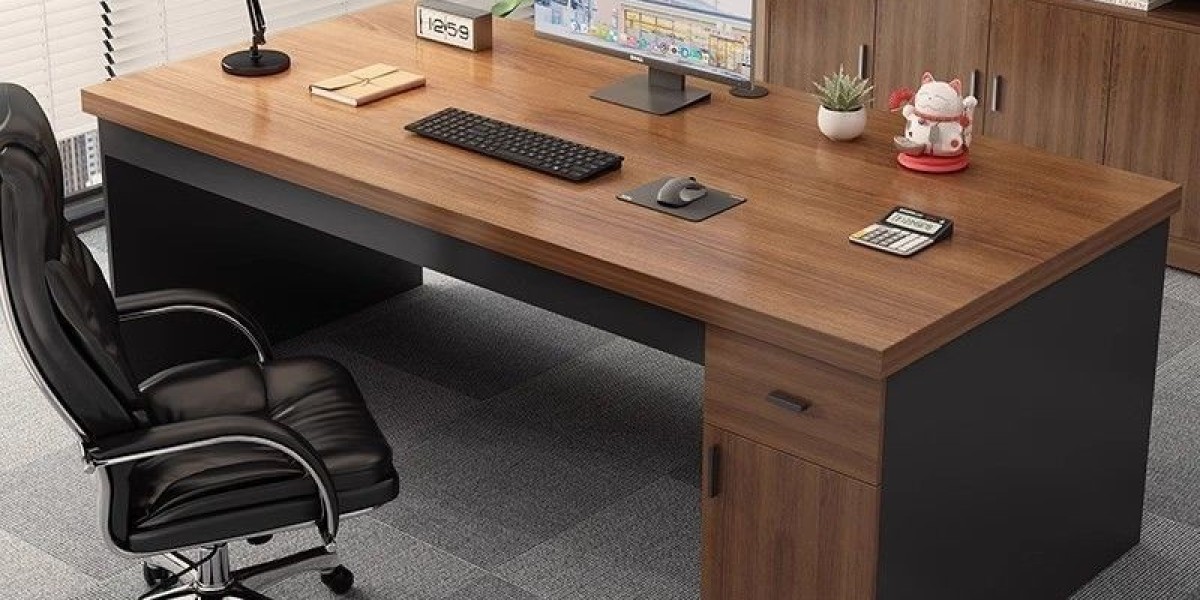

Designing Workspaces That Support Everyday Success
A well-planned workplace can help businesses create a comfortable environment where employees can focus, collaborate, and manage their responsibilities effectively. The arrangement of desks, chairs, storage cabinets, and meeting tables influences how people use their surroundings throughout the working day. When furniture is selected carefully, employees can access essential equipment more easily, maintain organized work surfaces, and move around the office without unnecessary obstacles. Businesses should consider their working style, available floor space, employee requirements, and long-term plans before investing in new furnishings.
A startup may need compact workstations and flexible storage, while an established company may require executive desks, conference tables, and dedicated areas for client meetings. Office furniture provides the foundation for these different workplace needs by combining functionality, comfort, and professional design. Companies in the Philippines can benefit from selecting furniture that suits local business requirements while remaining practical for everyday use. Whether furnishing a new office or updating an existing interior, a clear plan helps business owners make informed decisions, manage their budgets, and create an environment that supports consistent performance.
Finding the Right Furniture for Different Departments
Every department has specific responsibilities, so its furniture should reflect the tasks employees perform. Administrative teams often need desks with sufficient space for documents, computers, telephones, and stationery. Finance departments may require secure storage for records, while creative teams might benefit from larger work surfaces that accommodate multiple monitors and design materials. Managers may prefer executive desks that combine workspace with convenient storage, whereas customer service departments may need standardized workstations that support several employees in a shared area. Before purchasing furniture, businesses should identify the number of employees, the equipment they use, and the amount of space available. It is also helpful to consider how frequently departments communicate with one another. Teams that collaborate regularly may benefit from nearby workstations, while employees handling confidential information may need more private arrangements. Furniture should be selected according to practical requirements rather than appearance alone. By matching each product to its intended purpose, companies can avoid unnecessary purchases and create work areas that support daily responsibilities. This approach also makes future changes easier because managers understand which items are essential and which can be adjusted as business needs evolve.
Selecting Office Desks for Comfortable Daily Work
Desks provide the main working surface for many employees, making their size, design, and construction important considerations. A suitable desk should accommodate the equipment an employee uses without restricting movement or creating a cluttered environment. Computer-based roles may require space for monitors, keyboards, and accessories, while employees who handle paperwork may need additional room for files and documents. Desk height and legroom should also be evaluated to ensure that the workstation can be used comfortably with an appropriate chair. Businesses with limited floor space can consider compact desks, corner units, or modular workstations that fit their layout. Desks with drawers and built-in cable management can help keep supplies organized and reduce visible clutter. Material quality is another important factor because work surfaces must withstand regular use. Buyers should inspect the edges, joints, frames, and drawer mechanisms before making a purchase. It is also wise to consider whether the desks can be rearranged if the office expands or departments change. Selecting desks according to employee requirements helps businesses establish practical workstations while making efficient use of their available space.
Choosing Seating That Supports Employee Comfort
Comfortable seating can make the working day more manageable for employees who spend extended periods at desks or participate in frequent meetings. Businesses should look for chairs that provide suitable support and allow users to adjust their seating positions. Adjustable height, a supportive backrest, a stable base, and suitable seat dimensions are useful features to consider. Lumbar support and armrests may also improve comfort when they are correctly positioned. However, chair selection should be coordinated with desk height, monitor placement, and available legroom. Employees should be able to sit naturally without leaning forward unnecessarily or raising their shoulders to reach the keyboard. Different office areas require different seating arrangements. Task chairs are generally suited to regular desk work, while visitor chairs and conference chairs serve other purposes. Shared workstations may benefit from chairs that offer several adjustments so different employees can use them comfortably. Upholstery should be selected according to durability, cleaning requirements, and the environment. Businesses should also encourage employees to change positions and take regular movement breaks. Combining suitable seating with appropriate workstation arrangements supports a more comfortable and practical office environment.
Making Small Workspaces More Functional
Businesses do not always have large offices, particularly when operating in busy commercial districts or managing limited rental space. A smaller workplace can still be organized effectively when furniture dimensions and placement are planned carefully. Oversized desks, bulky cabinets, and unnecessary decorative pieces can make movement difficult and reduce usable floor space. Compact workstations, vertical shelving, mobile pedestals, and multifunctional tables can help address these challenges. Wall-mounted shelves may provide additional storage when installed safely, while mobile cabinets can be moved as workplace needs change. Folding tables may be useful in rooms that serve several purposes, such as meetings, training, and temporary project work. Businesses should also maintain clear pathways between desks, entrances, shared equipment, and emergency exits. Furniture placement should allow employees to move chairs comfortably without obstructing colleagues. Light finishes and coordinated colors can help create a clean visual appearance, although the overall effect depends on lighting and room dimensions. Before purchasing new items, review whether existing furniture can be rearranged or repurposed. Thoughtful space planning helps companies maintain a functional environment without spending unnecessarily on larger premises or extensive renovations.
Office furniture Styles That Strengthen Business Image
The appearance of an office can influence how employees, clients, and visitors perceive a business. A clean and coordinated interior can communicate professionalism, organization, and attention to detail. Companies can create this impression by selecting furniture that complements their brand identity and the character of their workplace. Wooden finishes may provide a warm, traditional atmosphere, while metal frames and simple surfaces can suit contemporary interiors. Neutral colors are often easy to coordinate with company branding, wall finishes, and decorative elements. Executive offices may use more formal furniture, while collaborative departments may benefit from simple desks and flexible seating. Reception areas deserve particular attention because they often form the first point of contact for visitors. A suitably sized reception counter and comfortable visitor chairs can make the entrance feel welcoming without overcrowding it. However, appearance should never replace functionality. Furniture must provide adequate working space, suitable support, and convenient storage. Businesses should also consider how easily surfaces can be cleaned and maintained. Choosing complementary designs rather than making every item identical can create a balanced interior. A professional workplace is most effective when visual appeal and practical usability work together.
Comparing Furniture Materials and Construction Quality
The materials used in desks, cabinets, chairs, and meeting tables affect their durability, appearance, and maintenance requirements. Businesses should understand these differences before selecting products for regular use. Engineered wood is commonly used in office desks and cabinets because it offers different finishes and price options. Laminate surfaces can be practical for workstations because they are generally easy to clean when maintained properly. Metal frames can provide reliable structural support, while glass elements may suit selected meeting tables or reception areas. Upholstery also deserves attention because frequently used chairs need materials that can withstand regular wear. When inspecting products, look beyond their external appearance. Check frame stability, joint construction, drawer movement, edge finishing, and the quality of adjustable components. Ask suppliers about weight limits, warranties, maintenance instructions, and replacement parts. The intended use should guide the material choice. A shared workstation used throughout the day may require stronger construction than a decorative table in a private office. Businesses should also consider environmental conditions, including humidity and direct sunlight, when deciding where furniture will be placed. Selecting appropriate materials and well-constructed products can help reduce avoidable repairs and improve long-term value.
Creating Organized Offices With Practical Storage
Effective storage helps employees find essential materials quickly and maintain clear work surfaces. Without suitable cabinets and shelves, paperwork, stationery, and equipment can accumulate on desks and interfere with everyday tasks. Filing cabinets are useful for organizing physical records, while cupboards and shelving units can hold office supplies, reference materials, and shared equipment. Lockable cabinets may be necessary for confidential documents or valuable devices. Mobile pedestals provide convenient storage close to individual workstations, particularly for employees who regularly use stationery or printed materials. Businesses that rely on digital records may need fewer filing cabinets but still require storage for laptops, cables, chargers, and other accessories. When selecting storage furniture, consider capacity, accessibility, security, and available floor space. Frequently used items should be easy to reach, while less frequently needed materials can be stored elsewhere. Labels and consistent filing procedures help employees maintain an organized system. Companies should also review stored materials periodically and follow appropriate document-retention policies. Buying additional cabinets will not automatically solve clutter if there is no clear process for organizing supplies. Combining practical storage furniture with consistent workplace habits helps create a cleaner and more efficient environment.
Planning Collaborative Areas for Team Communication
Team discussions, project planning, and client presentations are common parts of business operations. A well-designed meeting area provides employees with a suitable place to exchange ideas and make decisions. Conference tables should accommodate the expected number of participants while leaving enough room for chairs and movement. Their surfaces should provide space for laptops, documents, and presentation equipment. Smaller businesses may prefer multipurpose tables that can be rearranged for meetings, training sessions, or group activities. Modular tables and movable chairs can provide additional flexibility when the room serves different purposes. Businesses should also consider access to electrical outlets, screens, and other equipment required during presentations. Storage for meeting supplies can help keep the room organized between sessions. However, collaborative spaces should not replace every quiet working area. Employees who perform detailed tasks or handle confidential information may need spaces with fewer distractions. A balanced layout provides appropriate areas for both individual work and group communication. By selecting meeting furniture according to the company's working style, businesses can use shared rooms effectively and support better coordination among employees.
Managing Furniture Expenses Without Compromising Essential Needs
Furniture purchasing can involve substantial costs, especially when a company is opening a new office or expanding its workforce. A clear budget helps decision-makers prioritize essential items and avoid unnecessary expenses. Start by reviewing existing furniture to identify which products can be reused, repaired, or replaced. Then prepare a list of required items, including quantities, dimensions, materials, and important features. Request quotations from different suppliers and compare products with similar specifications. Delivery, installation, warranty coverage, and maintenance requirements should be included when calculating the overall cost. Businesses with limited budgets can prioritize suitable desks, supportive chairs, and necessary storage before purchasing decorative items. Although inexpensive furniture may appear attractive initially, poor construction can lead to frequent repairs or early replacement. Bulk purchasing may offer savings in some cases, but companies should verify quality and suitability before placing large orders. Purchasing in stages can be useful when a business is growing gradually or furnishing several departments over time. This approach allows managers to assess actual requirements before committing additional funds. Careful planning supports informed decisions and helps companies establish functional workspaces while keeping expenditure under control.
Maintaining Furniture for Long-Term Workplace Value
Regular maintenance helps protect furniture from avoidable damage and keeps the office looking professional. Businesses should establish simple routines for cleaning desks, chairs, storage units, and shared tables. Cleaning products should be appropriate for each material, and manufacturer instructions should be followed to avoid damaging finishes or upholstery. Employees should report loose screws, unstable chair bases, damaged surfaces, and faulty drawers as soon as problems appear. Prompt repairs can prevent minor defects from becoming more serious. Furniture should also be moved carefully when the office layout changes to avoid scratches, broken wheels, or damaged joints. Periodic inspections can help managers identify items that need maintenance or replacement. Keeping purchase records and warranty information in one place can simplify repairs and help businesses track furniture expenses. Employees should understand how to use adjustable chairs and other equipment correctly and should avoid overloading shelves or cabinets. When an item reaches the end of its useful life, consider repair, reuse, donation, or responsible recycling where appropriate. Consistent maintenance helps extend product life, reduce waste, and preserve a comfortable working environment.
Conclusion
Creating an efficient workplace involves choosing furniture that supports employees, suits business operations, and makes the best use of available space. Businesses should evaluate workstation requirements, seating comfort, storage capacity, material quality, and budget before making purchasing decisions. A balanced approach can help create an organized interior that accommodates everyday responsibilities while maintaining a professional appearance. Regular maintenance and flexible layouts can further improve the value of furniture investments as workplace requirements change. Companies should also review their needs periodically to ensure that their offices continue to support employee comfort and business growth. For organizations exploring furniture options and workspace planning ideas, Queens arts and trends can be considered during the research process. Ultimately, successful furniture selection is about finding practical solutions that combine durability, comfort, and functionality, helping businesses maintain a workplace that serves employees and visitors effectively over time.