
Introduction
Electrical safety is essential in homes, offices, commercial buildings, and industrial facilities. Choosing suitable protective devices helps reduce the risk of electrical faults, equipment damage, and potential hazards. A residual current circuit breaker helps detect current leakage, while a mini circuit breaker protects electrical circuits against overloads and short circuits. Jawad Electric helps customers explore electrical products and protection solutions for different installation requirements.
Understanding a Residual Current Circuit Breaker
A residual current circuit breaker (RCCB) is an electrical safety device designed to detect an imbalance between the current flowing through live and neutral conductors. When it detects residual current above its specified threshold, it disconnects the circuit to reduce the risk of electric shock and certain electrical fires.
RCCBs are useful in residential, commercial, and industrial installations where earth-leakage protection is required. However, a standard RCCB does not provide overload or short-circuit protection on its own. It must be used with appropriate overcurrent protection, such as an MCB.
What Is a Mini Circuit Breaker?
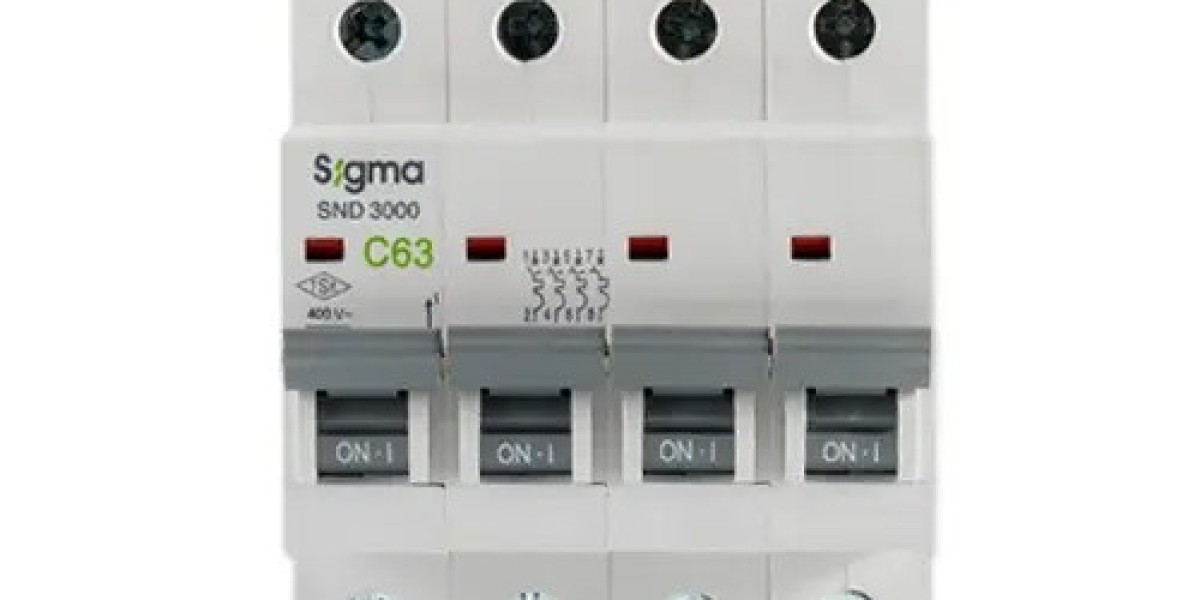
A mini circuit breaker, commonly called a miniature circuit breaker (MCB), automatically disconnects an electrical circuit when excessive current flows because of an overload or short circuit. This helps protect wiring and connected equipment from damage caused by excessive current.
A mini circuit breaker is commonly installed in distribution boards to protect lighting circuits, socket outlets, and other electrical loads. Selecting the correct current rating and breaking capacity is important for reliable operation. The appropriate specifications depend on the connected load, cable capacity, and installation requirements.
Key Differences Between RCCB and MCB
Although both devices contribute to electrical safety, they serve different purposes. An RCCB detects earth-leakage current, whereas an MCB responds to overloads and short circuits.
Understanding these differences helps electricians, contractors, and property owners select suitable protection devices for their installations. In many electrical systems, both devices are used together to provide complementary protection. An RCBO is another option because it combines residual-current protection with overload and short-circuit protection in one device.
Jawad Electric provides an opportunity for customers to explore electrical components and learn about suitable circuit protection products for their projects.
How to Choose the Right Circuit Breaker
Selecting a circuit breaker requires attention to the installation's electrical requirements. Before choosing a product, consider the following factors:
Current rating: Ensure the device is appropriate for the circuit and cable capacity.
Breaking capacity: Select a rating suitable for the prospective short-circuit current.
Protection type: Determine whether the circuit needs earth-leakage, overload, short-circuit, or combined protection.
Installation requirements: Check the number of poles, voltage rating, and distribution board compatibility.
Product quality: Choose products from reputable manufacturers and verify their specifications.
A qualified electrician can help determine the appropriate protective devices for a particular installation.
Why Consider Jawad Electric?
Jawad Electric serves customers looking for electrical products and components for residential, commercial, and industrial applications. Understanding the purpose of each protective device makes it easier to identify suitable products for new installations, maintenance work, and electrical upgrades.
Whether you need an RCCB for earth-leakage protection or an MCB for circuit protection, reviewing technical specifications and installation requirements is an important step. Jawad Electric provides a starting point for exploring electrical protection products and understanding their applications.
FAQs
1. What is a residual current circuit breaker used for?
An RCCB detects earth-leakage current and disconnects the circuit when the detected imbalance reaches its operating threshold, helping reduce the risk of electric shock.
2. What does a mini circuit breaker protect against?
An MCB protects electrical circuits against overloads and short circuits by automatically interrupting excessive current.
3. Can an RCCB replace an MCB?
No. A standard RCCB does not provide overload or short-circuit protection. Both devices can be used together, or an appropriately selected RCBO can provide both functions.
4. Where are mini circuit breakers commonly installed?
MCBs are commonly installed in electrical distribution boards in houses, offices, shops, and other buildings to protect individual circuits.
5. How do I select the right circuit breaker?
Consider the current rating, breaking capacity, protection requirements, and installation specifications. A qualified electrician should confirm the correct selection.
Conclusion
Choosing appropriate electrical protection devices is essential for safer and more reliable electrical installations. A residual current circuit breaker helps protect against earth leakage, while a mini circuit breaker provides overload and short-circuit protection. Understanding their different functions helps customers make informed decisions when planning electrical systems. Jawad Electric supports customers exploring electrical components and circuit protection solutions for their installation needs.







