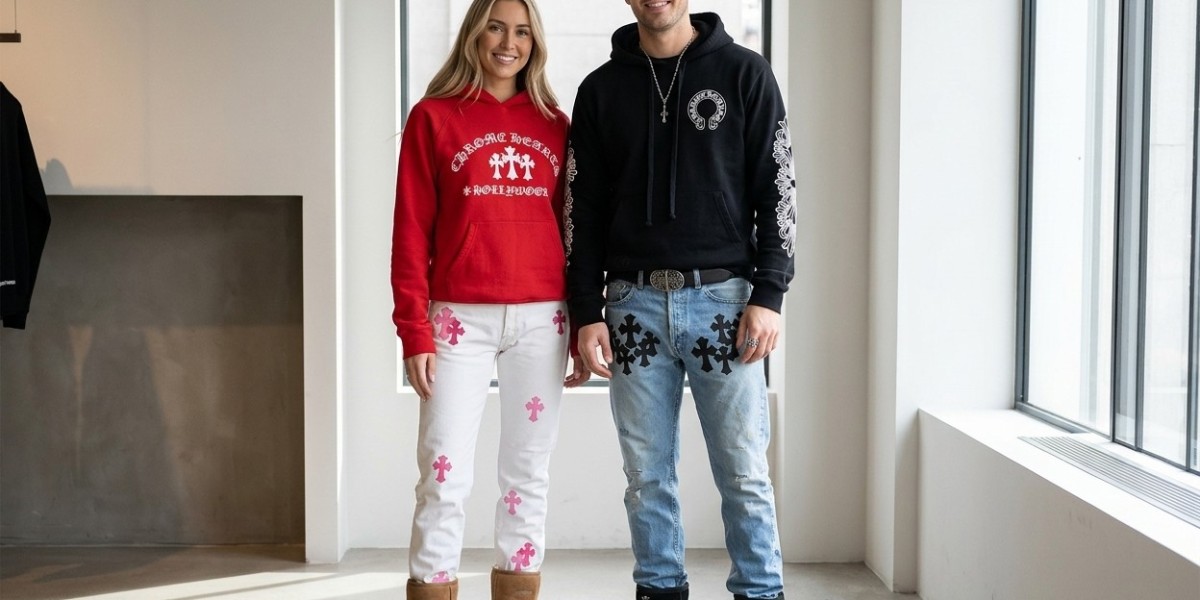

I learned most of what I know about dressing well by wearing the same pieces again and again, not by buying something new every week. A good everyday outfit has to survive a long walk, a full day at a desk, a sudden change in weather, and a wash without losing its shape. In this guide I share what has actually worked for me: how I check fit before I buy, how I judge fabric weight, how I layer without bulk, and how I keep pieces looking good over time. My starting point is usually a simple base. I look for a tee or hoodie from Mixed Emotion
Fabric weight is the next thing I check, and I do it by hand. A thin tee that feels almost see-through in store light will usually show more after a few washes, while a midweight cotton holds its drape better through the day. I hold the fabric up, stretch it gently across the chest, and look for thin spots near the seams. Heavy fleece is warm, but in a mild climate it can feel bulky under a jacket, so I save the heaviest pieces for cooler evenings and choose a lighter knit for daily wear.
For fit, I check the shoulder seam first. If it sits past my shoulder bone, the whole outfit looks sloppy, even with good shoes. I also sit down in new trousers before I decide. A waistband that digs in when seated will annoy me all day, so I size for comfort when seated, not just when standing in front of a mirror. Sleeve length matters too: I want a cuff to sit just at the wrist bone, so it does not bunch inside a jacket sleeve.
Layering is where many outfits go wrong. I use three light layers instead of one thick one: a tee, an open shirt or light jacket, and a shell only if rain is likely. Each layer should move on its own, so I raise my arms and twist at the waist after dressing. If the inner layer rides up, I change the length, not the size. For a graphic with a stronger message, I reach for peace in war
How pieces wear over time tells me more than the first try-on. I wash new hoodies and tees inside out in cold water and let them air dry when I can, because high heat is what usually tightens a neckline and fades a print first. After about ten washes, I check the cuffs, the hem, and the print edges. If a cuff has stretched out, I stop wearing that piece with a jacket, because it will bunch. If the fabric still feels smooth and the shape is steady, that piece earns a regular place in my rotation.
For accessories, I keep it to one strong detail. A heavy ring, a chain, or a detailed cap can finish an outfit, but two or three loud pieces at once will fight each other. I check weight and comfort first: a ring that catches on a pocket or a cap that slips forward will not stay on all day. When I want one heavy detail, I add Chrome Hearts