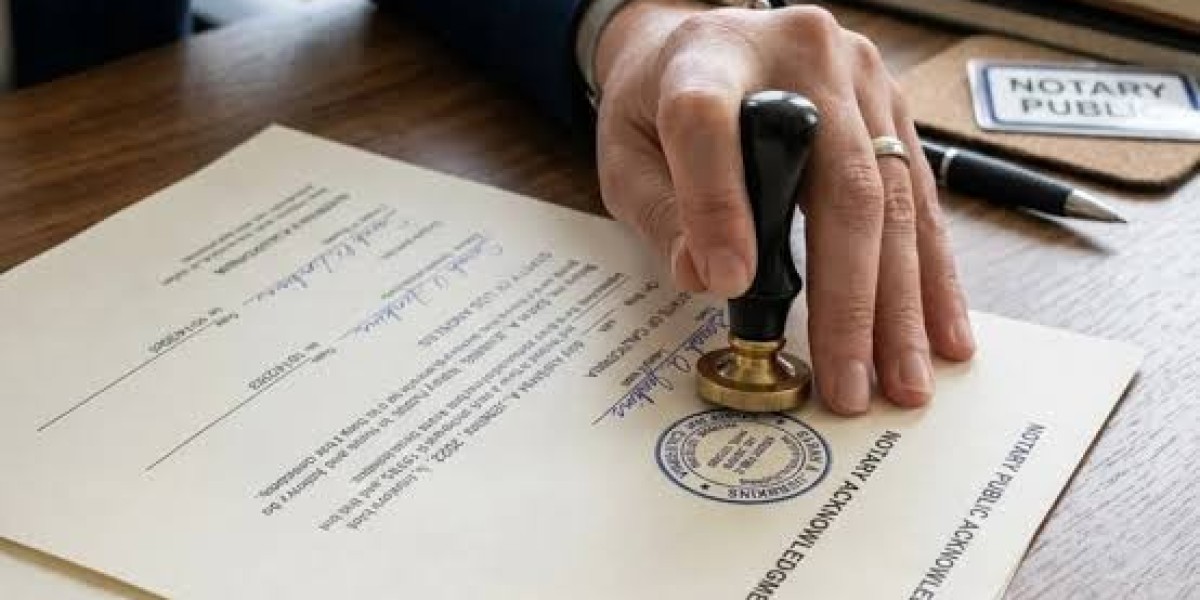

Step-by-Step Notarization Process Explained for First-Time Minnesota Residents
Understanding the notarization process can help first-time Minnesota residents prepare their documents correctly and avoid common mistakes. Whether a document is needed for a real estate transaction, an affidavit, a power of attorney, a healthcare directive, or another official purpose, knowing what to expect makes the process easier to navigate.
Notarization is more than simply signing a document in front of someone. It involves verifying identity, confirming the signer’s willingness to sign, and completing the appropriate notarial certificate. For residents who need assistance with documents at home, at work, or another convenient location, learning about a certified mobile notary service in St Louis Park ,MN can also help clarify the available options.
This guide explains the notarization process step by step, highlights important Minnesota requirements, and provides practical suggestions for choosing the right notary.
What Is Notarization and Why Is It Important?
Notarization is an official process performed by a commissioned notary public to help prevent fraud and establish confidence in the execution of certain documents. Depending on the notarial act, the notary may verify a signer’s identity, administer an oath or affirmation, or take an acknowledgment confirming that the signature was made voluntarily.
Notarization does not automatically establish that every statement in a document is true or that the document is legally valid for its intended purpose. Instead, it provides a specific form of verification that may be required by a receiving institution, government agency, court, or other organization.
Minnesota residents may encounter notarization requirements when preparing affidavits, authorization forms, property-related documents, business paperwork, and other official records.
Step-by-Step Notarization Process in Minnesota
The notarization process becomes more straightforward when each step is understood before the appointment.
Identify the Document That Needs Notarization
Begin by reviewing the document and determining which notarial act is required. Some documents require an acknowledgment, while others require a jurat, which generally involves signing and taking an oath or affirmation before the notary.
The receiving organization should clarify the required notarial act if the instructions are unclear. For example, a bank, court, title company, or government agency may have specific requirements for its paperwork.
It is also helpful to check whether the document must include supporting forms, additional signatures, or particular wording. Preparing these details in advance can reduce the likelihood of an incomplete notarization.
Confirm the Notary Requirements
Not every document follows the same procedure. Before arranging an appointment, check whether the document requires an acknowledgment, a jurat, or another authorized notarial act.
Minnesota notaries must follow applicable state laws and official procedures. Certain documents may also have requirements established by the organization receiving them.
For documents involving real estate, estate planning, financial transactions, or legal matters, it may be appropriate to consult the receiving institution or a qualified legal professional. A notary generally cannot replace an attorney or determine which legal document best suits a person's circumstances.
Prepare an Acceptable Form of Identification
Identity verification is an essential part of many notarizations. The signer should ask the notary in advance which identification documents are acceptable for the requested act.
A current government-issued photo identification document, such as a driver's license or passport, may be suitable, depending on the applicable requirements. Minnesota law and the circumstances of the notarization determine which identification methods may be used.
The name on the identification should be consistent with the name appearing in the document whenever possible. If there is a discrepancy, it is best to address the issue before the appointment rather than assume the notarization can proceed.
Arrange a Suitable Notarization Appointment
After confirming the document requirements, the next step is selecting an appropriate notarization arrangement.
Residents may visit a notary at an established business location or explore mobile notarization when meeting at a convenient location is preferable. A mobile notary may be able to travel to a residence, workplace, or another agreed-upon location, subject to availability and applicable requirements.
For residents seeking a certified mobile notary service in St Louis Park ,MN, it is sensible to confirm the notary's Minnesota commission, the requested service area, the type of document involved, and whether the notary can perform the specific notarial act required.
Before finalizing the appointment, clarify who must attend, which identification documents are needed, and whether witnesses must be present.
Wait for the Notary to Verify Your Identity
At the appointment, the notary will follow the procedures required to establish the signer's identity. The notary may examine identification, assess whether the signer appears willing and aware of the action being taken, and determine whether the requested act can lawfully proceed.
A notary should not proceed when the applicable identity requirements cannot be satisfied or when there are other circumstances that prevent the notarial act from being completed properly.
Signers should answer questions honestly and avoid feeling pressured to sign a document they do not understand or do not wish to sign.
Sign the Document According to the Required Procedure
One important rule for first-time signers is to avoid signing too early.
Some documents must be signed in the notary's presence, particularly when the requested act requires the notary to witness the signature or administer an oath or affirmation. Other circumstances may involve acknowledging a signature that was made previously.
The correct procedure depends on the type of notarial act. Therefore, follow the notary's instructions and any requirements provided by the receiving organization.
If multiple people must sign, each signer should understand whether personal appearance, separate identification, or additional notarial certificates are required.
Review the Notarial Certificate and Completion Details
After the required act is performed, the notary completes the applicable notarial certificate, including the required signature, official stamp or seal where applicable, and other information required by law.
Before leaving, check the document for missing signatures, incomplete sections, incorrect names, or omitted certificates. Do not make unauthorized changes to a document or its notarial certificate after notarization.
If a correction is necessary, ask the notary how it should be handled. The receiving organization may also need to confirm whether the document meets its submission requirements.
Submit or Store the Notarized Document Properly
Once notarization is complete, follow the instructions for delivering, filing, or retaining the document. Some documents must be submitted to a government office, court, lender, title company, or another designated recipient.
Keep a copy when appropriate and permitted, particularly for important personal or financial records. If the receiving organization has specific formatting or submission rules, verify that the completed document meets those requirements.
Remember that notarization alone does not guarantee acceptance. The receiving organization may review additional legal, procedural, or document-specific requirements.
Common Notarization Mistakes First-Time Residents Should Avoid
Several common mistakes can complicate the process:
Signing too early: Wait for instructions when the document must be signed in the notary's presence.
Bringing incomplete paperwork: Review the document and identify missing information before the appointment.
Using unsuitable identification: Confirm acceptable identification requirements beforehand.
Choosing the wrong notarial act: Ask the receiving organization to clarify whether an acknowledgment, jurat, or another act is required.
Ignoring witness requirements: Confirm whether witnesses are needed and who may serve in that role.
Assuming notarization guarantees acceptance: Check the recipient's submission requirements separately.
Careful preparation helps residents avoid preventable problems and supports a smoother document-signing experience.
How to Choose a Mobile Notary in St. Louis Park, Minnesota
When considering mobile notarization, look for a notary with an active Minnesota commission and experience handling the type of document involved. Clear communication, attention to identity verification, and familiarity with the applicable notarial procedures are important considerations.
It is also helpful to confirm whether the notary can travel to the requested location, whether all signers must be present together, and whether the document requires witnesses or additional preparation.
A certified mobile notary service in St Louis Park ,MN may be worth considering when travel to a traditional notary location is inconvenient or when document signing needs to take place at a residence or workplace. Before proceeding, verify the notary's credentials and confirm that the requested service meets the document's requirements.
For specialized legal documents, consult an attorney when advice about the document's wording, legal effect, or suitability is needed. A notary's role is to perform authorized notarial acts, not to provide legal advice unless separately qualified and authorized to do so.
Need Help Preparing for Your Notarization?
If you have a document that requires notarization in St. Louis Park or elsewhere in Minnesota, consider contacting a mobile notary to discuss the document type, identification requirements, signing arrangements, and any applicable witness requirements before scheduling an appointment.
Preparing these details in advance can help you understand the process and determine whether mobile notarization is appropriate for your needs. Contact a local mobile notary to ask about service availability, document requirements, and the steps needed to complete your notarization correctly.
Frequently Asked Questions
1. What documents commonly require notarization in Minnesota?
Common examples include affidavits, powers of attorney, certain real estate documents, authorization forms, and other records requiring a notarial act. The exact requirements depend on the document and the organization receiving it. Confirm the requirements before arranging notarization.
2. Can a mobile notary notarize documents at my home in St. Louis Park?
A mobile notary may be able to meet at a residence or another agreed-upon location, depending on availability, the notary's service area, and applicable requirements. Confirm the location, identification requirements, and type of notarial act before arranging the appointment.
3. Should I sign my document before meeting the notary?
Not necessarily. Some documents must be signed in the notary's presence, while others may involve acknowledging a signature that was already made. Follow the instructions for the required notarial act and ask the notary or receiving organization if you are unsure.







