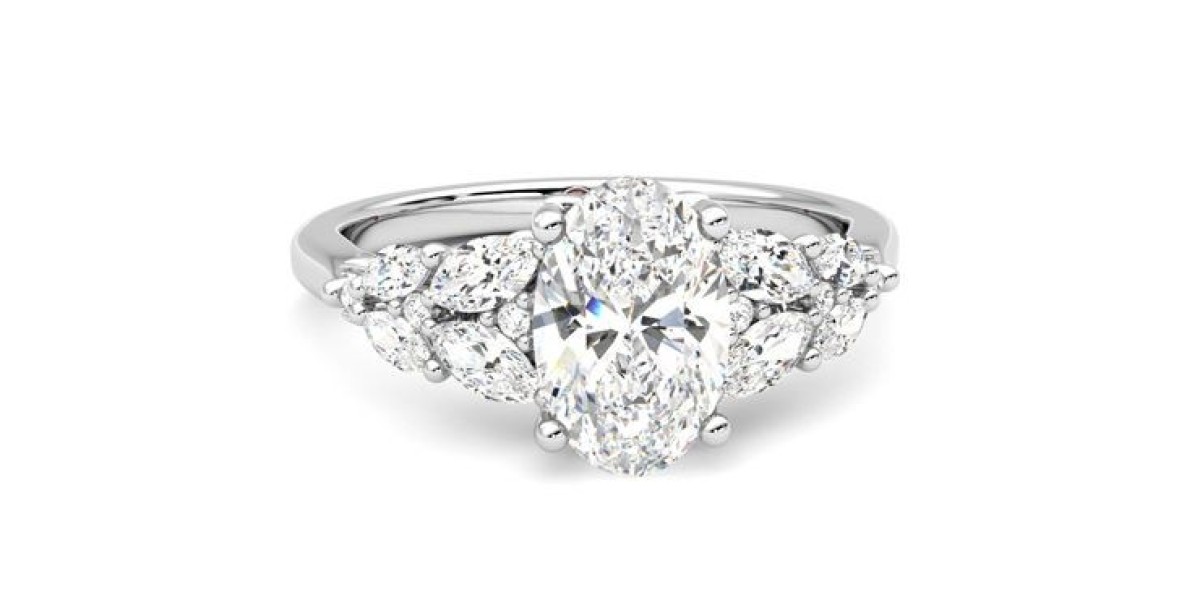

Choosing an engagement ring is an important decision, especially when you want a design that combines beauty, durability, and value. Lab grown oval engagement rings have become a popular choice for couples who appreciate the elegant appearance of an oval diamond and want more flexibility when selecting their preferred size, setting, and budget. These diamonds are created in controlled laboratory environments and share the same essential chemical, physical, and optical properties as mined diamonds.
Oval diamonds are admired for their elongated shape, brilliant sparkle, and ability to create an elegant look on the finger. Whether you prefer a simple solitaire or a detailed setting with smaller accent diamonds, an oval engagement ring offers several ways to express your personal style.
Before making a purchase, it is helpful to understand how lab grown diamonds are produced, which features affect their appearance, and what to look for when comparing different ring designs.
What Makes Lab Grown Oval Engagement Rings Different?
Lab grown diamonds are produced using advanced technology that replicates the natural conditions under which diamonds form. Two common production methods are High Pressure High Temperature (HPHT) and Chemical Vapor Deposition (CVD).
Both methods can produce diamonds with the same fundamental properties as mined diamonds. However, individual stones can differ in cut quality, clarity, colour, and overall appearance.
An oval diamond features a rounded outline with an elongated shape. Its brilliant faceting pattern allows light to reflect throughout the stone, creating noticeable sparkle when the diamond is properly cut.
Key Features of Oval Lab Grown Diamonds
Several characteristics make these diamonds appealing to engagement ring shoppers:
Elegant shape: The elongated outline creates a refined and sophisticated appearance.
Brilliant sparkle: Well-cut oval diamonds reflect light beautifully.
Versatile designs: Oval stones work with solitaire, halo, three-stone, and pavé settings.
Flexible budgets: Lab grown options may allow buyers to consider a larger diamond for the same budget compared with a similar mined diamond.
Personalised appearance: Different ratios and settings can create distinctive looks.
The final appearance depends on the individual diamond and the quality of its craftsmanship. A larger stone does not automatically mean a more attractive ring, so proportions and overall visual balance should also be considered.
Why Are Oval Engagement Rings So Popular?
Oval engagement rings combine traditional diamond brilliance with a distinctive silhouette. Their shape can look classic or contemporary depending on the setting, making them suitable for a wide range of preferences.
Unlike a round diamond, an oval stone has an elongated outline that can create the appearance of greater length on the finger. This visual effect is one reason many buyers consider oval designs when comparing engagement rings.
A Flattering and Elegant Shape
Oval diamonds are often selected for their graceful appearance. Their curved edges create a softer outline than angular shapes such as princess-cut or emerald-cut diamonds.
The elongated profile can also make the centre stone appear prominent without requiring an especially wide setting. When paired with a slim band, the diamond becomes the main visual feature of the ring.
Multiple Design Possibilities
Oval diamonds can be incorporated into many jewellery styles, including:
Solitaire rings with a single centre diamond.
Hidden halo designs with small diamonds beneath the main stone.
Pavé bands featuring diamonds along the ring's shoulders.
Three-stone rings with complementary side stones.
Yellow gold, white gold, rose gold, and platinum settings.
Each design offers a different balance of sparkle, simplicity, and detail. A solitaire may suit someone who prefers understated jewellery, while a halo setting can create a more elaborate appearance.
How to Choose the Best Diamond Size and Shape
When comparing lab grown oval engagement rings, avoid choosing a diamond based on carat weight alone. Two diamonds with the same carat weight may appear different in size because their proportions and depth vary.
A thoughtful comparison of measurements, cut quality, and shape can help you find a stone that matches your expectations.
Understand Carat Weight
Carat measures a diamond's weight rather than its visible dimensions. A one-carat oval diamond and a one-carat round diamond may have different face-up appearances because their shapes distribute weight differently.
When evaluating an oval stone, review its length and width measurements alongside the carat weight.
Consider the Length-to-Width Ratio
The length-to-width ratio helps describe how elongated an oval diamond appears.
Around 1.30–1.40: A broader, softer oval appearance.
Around 1.40–1.50: A balanced and moderately elongated shape.
Around 1.50–1.60: A longer, more slender appearance.
These ranges are general visual guidelines, not strict quality standards. The best ratio depends on personal preference, and two diamonds with similar measurements can still look different.
Check for the Bow-Tie Effect
Oval diamonds can display a dark area across the centre that resembles a bow tie. This effect is caused by the way light interacts with the diamond's facets.
Some bow-tie contrast is common in elongated brilliant cuts, but its visibility varies between stones. A prominent dark area may reduce the impression of consistent sparkle.
Whenever possible, inspect a diamond in high-quality videos or under different lighting conditions before purchasing it.
Which Ring Setting Should You Choose?
The setting affects the ring's appearance, comfort, and practicality. It also influences how securely the centre diamond is held in place.
Solitaire Setting
A solitaire setting features one central diamond without additional stones around it. The simple design keeps attention on the oval shape and is suitable for people who appreciate classic jewellery.
A solitaire can also be easier to pair with different wedding bands, although the shape of the setting may affect how closely the bands fit together.
Halo Setting
A halo setting surrounds the centre diamond with smaller stones. This arrangement adds detail and can make the centre stone appear larger from above.
A halo may be suitable for buyers who want extra sparkle without selecting a significantly heavier centre diamond. However, additional stones and intricate settings may require more cleaning and maintenance.
Pavé Band Setting
A pavé band features small diamonds placed along the band. The additional stones create continuous sparkle and complement the brilliance of an oval centre diamond.
Because more stones are included, the setting should be inspected regularly to ensure that the diamonds remain secure.
Choosing the Right Metal
The metal can change the overall look of an engagement ring.
Yellow gold: Creates a warm, traditional appearance.
White gold: Offers a bright, contemporary finish.
Rose gold: Provides a soft pink tone.
Platinum: Offers a naturally white metal that is valued for its durability.
The metal should be selected according to personal taste, lifestyle, maintenance preferences, and budget. White gold may require periodic rhodium plating, while platinum can develop a patina with everyday wear.
What Should You Check Before Buying?
Buying an engagement ring online provides access to a broad selection of shapes, settings, and diamond specifications. However, product descriptions should be reviewed carefully before a final decision is made.
A few essential checks can help you compare options more confidently.
Review the Diamond Grading Report
Look for a grading report from a recognised gemological laboratory. The report should identify the diamond as laboratory-grown and provide details about its characteristics.
Depending on the grading organisation, the report may include:
Carat weight and measurements.
Colour and clarity grades.
Information about the diamond's cut or proportions.
A report number that can be checked with the issuing laboratory.
Do not assume that every lab grown diamond has the same level of quality. Individual grading details and visual inspection remain important.
Compare the Total Ring Price
The centre diamond is only one part of the final purchase price. The setting, metal, additional stones, customisation, and other services may also affect the cost.
Before ordering, compare the complete ring rather than looking only at the advertised diamond price.
Check whether the seller provides:
A clear return and exchange policy.
Ring resizing options.
Warranty information.
Cleaning and maintenance services.
Secure shipping and suitable packaging.
These details can make the purchasing process more straightforward and help you understand the support available after delivery.
Are Lab Grown Oval Engagement Rings a Good Value?
Lab grown diamonds can offer an appealing balance between appearance and price. They are often less expensive than comparable mined diamonds, although the difference depends on market conditions, diamond specifications, and the retailer.
For some couples, this price difference creates more flexibility. The budget can be allocated towards a larger centre stone, a higher-quality setting, or a design that better reflects their preferences.
However, value should not be judged by size alone. A well-proportioned diamond with attractive light performance may be a better choice than a heavier stone with noticeable visual weaknesses.
It is also worth understanding that lab grown diamonds generally have lower resale values than comparable natural diamonds. Neither type should be purchased with an expectation of guaranteed financial appreciation.
For buyers who prioritise appearance, design, and affordability, lab grown diamonds can be a practical option.
How to Care for Your Oval Diamond Engagement Ring
Regular care helps maintain the appearance of an engagement ring and allows potential setting problems to be identified early.
Lotions, soap, and everyday oils can accumulate on the diamond's surface, reducing its sparkle over time.
Follow these simple care practices:
Clean the ring gently with warm water, mild soap, and a soft brush when appropriate for its setting.
Avoid exposing the ring to harsh chemicals or abrasive cleaning products.
Remove the ring during activities that could cause impact or damage.
Store it separately from other jewellery to reduce scratching.
Arrange periodic professional inspections to check the prongs and setting.
Follow the jeweller's instructions for cleaning delicate or intricate designs.
The ring should be inspected by a qualified jeweller if the centre stone feels loose or the setting appears damaged. Ultrasonic cleaners should not be used without confirming that they are suitable for the specific ring and its construction.
Final Thought
Lab grown oval engagement rings offer an elegant combination of brilliant sparkle, versatile styling, and budget flexibility. From classic solitaire designs to diamond-accented settings, there are options for couples with different tastes and priorities. The key is to look beyond carat weight and compare the diamond's proportions, visible bow-tie effect, grading report, setting quality, and total price. By considering these details before purchasing, you can choose an engagement ring that reflects your personal style and provides lasting enjoyment. A carefully selected ring is more than a jewellery purchase; it is a meaningful symbol of commitment that can be treasured for years to come.