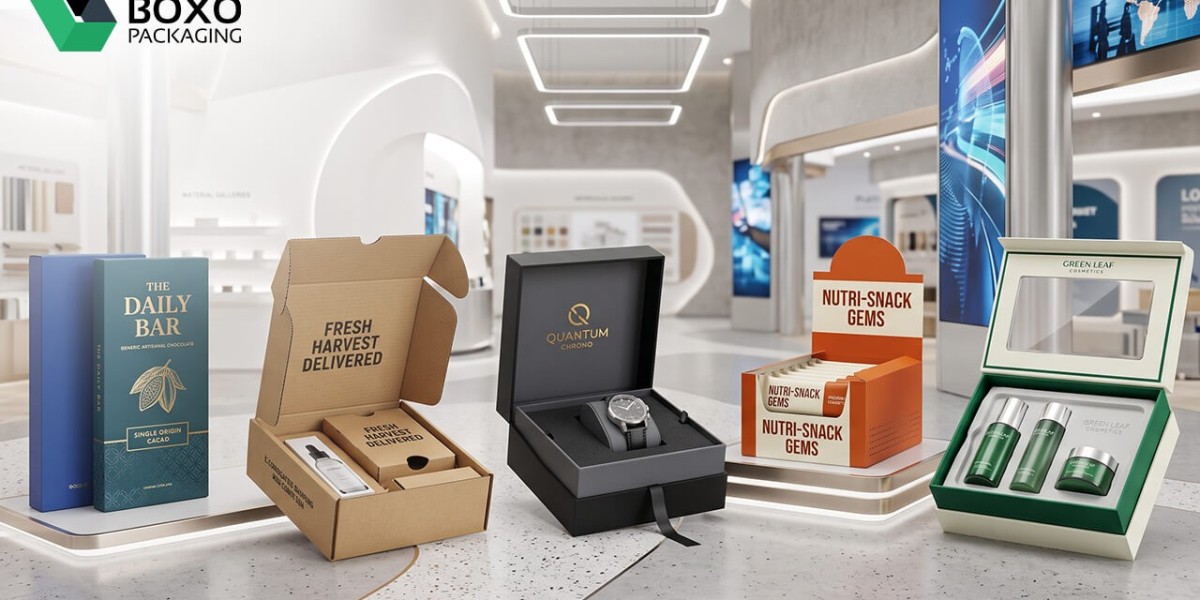

Printed cartons can identify products, organize components, and communicate useful details at the point of sale. Printed Boxes are used across retail, gifting, subscription packs, and many consumer product categories. The design should balance brand presentation with practical requirements such as dimensions, handling, legibility, and protection.
Choose a structure before designing artwork
A tuck-end carton may suit a lightweight product, while a reinforced base or insert may be better for heavier contents. A box that fits the item closely can reduce movement, but it still needs enough clearance for easy packing and removal. Confirm the dieline and physical dimensions before positioning logos, images, or instructions.
Select print materials and finishes
Coated paperboard supports fine graphics and detailed color, while kraft board can create a natural appearance. Matte, gloss, foil, or embossing may emphasize selected design elements. Finishes should be reviewed at folds and corners, where cracking or scuffing may occur. The selected material must also match the intended use and any applicable product-contact requirements.
Keep information readable
The primary panel should make the product name and key benefit easy to locate. Secondary panels can hold instructions, care information, ingredients, or other details relevant to the product. Use adequate contrast and avoid placing essential text over busy artwork, creases, or glue seams. Barcodes need sufficient clear space and a suitable flat area.
Production details to review
A careful proofing process can reduce avoidable printing and assembly issues:
Check the dieline, dimensions, folds, glue areas, and closure.
Confirm text, product identifiers, and any required information.
Review color, contrast, and barcode readability at final size.
Test a printed sample with the actual product inside.
Match the package to distribution
A retail carton may look polished on a shelf but still need an outer mailer for shipping. Consider compression, abrasion, stacking, and how the package will be handled after leaving the store. Inserts and dividers can help protect products inside the box, but they should be tested with the full packed system.
Control artwork versions
Keep an approved master file so product changes do not leave old information in circulation. Check any environmental or performance claims against the actual material and evidence available. Boxo Packaging can discuss print and carton specifications, while the product owner should approve the final text and intended packaging performance.
Pharma Packaging for Product Protection and Label Clarity
Pharmaceutical packaging must support product protection, clear identification, and safe use. Pharma Packaging can include primary containers, blisters, sachets, leaflets, and secondary cartons, with each layer serving a defined purpose. The suitable design depends on the medicine, dosage form, storage needs, distribution conditions, and regulatory requirements for the market.
Distinguish primary and secondary packaging
The primary pack directly contains the product, while a secondary carton may protect it, group components, and provide room for information. A paperboard carton should not be assumed to provide a sterile, moisture, light, or tamper-evident barrier unless the system is specifically designed and validated for that purpose. Define the role of each layer before choosing materials.
Make essential information easy to find
Depending on the product and jurisdiction, labeling may include the medicine name, strength, dosage form, instructions, warnings, batch number, expiry date, and storage conditions. Keep information readable at the final print size and place it consistently across related products. Avoid positioning critical details across folds, flaps, or areas likely to be obscured.
Consider safety and access features
Some products may require tamper-evident features, child-resistant packaging, serialization, or other controls. Such features need to be selected and assessed against the applicable product and market requirements. Inserts can organize leaflets or components, but they must not interfere with closure, dispensing, or the legibility of required information.
Checks for a pharma carton
The packaging and quality teams should review the finished pack as a system:
Verify approved labeling text, product strength, batch, and expiry fields.
Confirm barcode or serialization placement and machine readability where required.
Check that the carton and insert fit the primary container securely.
Control artwork revisions and retain approval records for the released version.
Protect quality through distribution
Packaging should be assessed against the expected storage and transport conditions. Moisture, light, vibration, compression, and temperature can affect different products in different ways. Testing requirements should be defined by the responsible quality team and relevant standards rather than assumed from the outer carton's appearance.
Use qualified review for compliance
Pharmaceutical requirements vary by product and market. Regulatory and quality professionals should approve the packaging specification, label content, and any safety features before production.