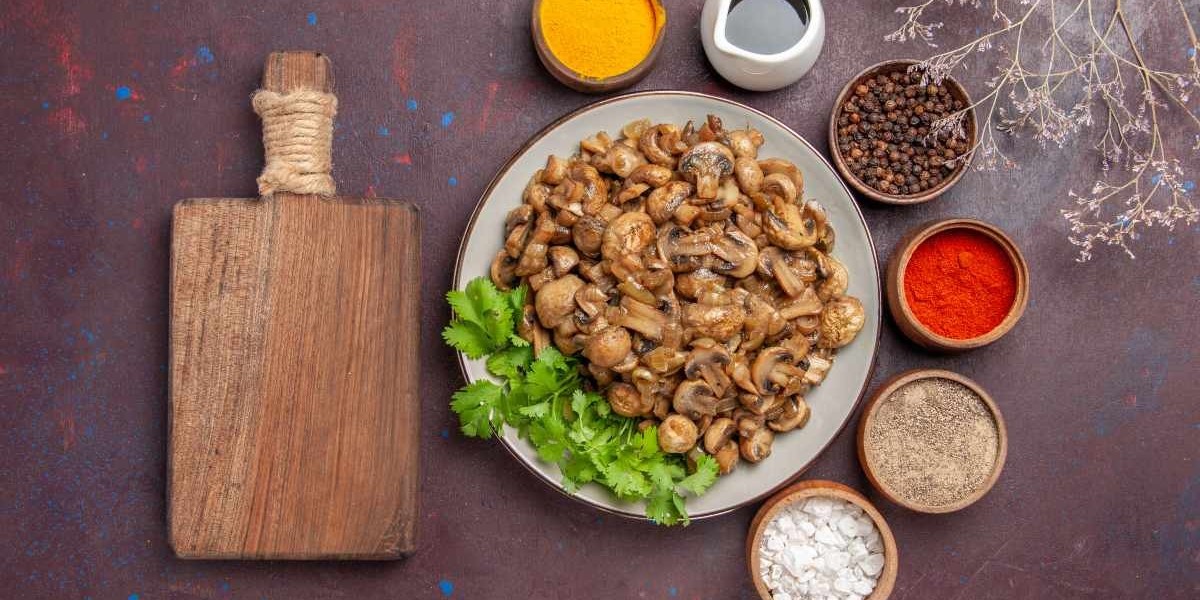

Every home cook remembers the first time a pan of mushrooms went wrong. Instead of deep golden browning, you got pale, rubbery slices swimming in liquid. The fix is simpler than most people think. Easy sautéed mushrooms need only a handful of ingredients, a hot pan, and a little patience.
In this guide from Devine Dishes, you will learn the technique behind restaurant-quality results, which mushroom varieties work best, and how to avoid the mistakes that cause soggy batches. Whether you want sautéed mushrooms as a steak topping, a pasta add-in, or a simple side, this one method covers it. You will also find variations, storage tips, serving ideas, and answers to the questions cooks ask most.
How Do You Make Sautéed Mushrooms?
To make sautéed mushrooms, slice 1 pound of cremini mushrooms and heat 1 tablespoon each of butter and olive oil in a wide skillet over medium-high heat. Add the mushrooms in a single layer and cook without stirring for 3 to 4 minutes. Stir, then cook another 4 to 5 minutes until golden brown. Add minced garlic, salt, pepper, and thyme for the final minute. Total time is about 15 minutes.
Recipe at a glance:
Prep time: 5 minutes
Cook time: 10 minutes
Serves: 4 as a side
Difficulty: Beginner-friendly
Best for: Steak, chicken, pasta, omelettes, toast, rice bowls
What Does It Mean to Sauté Mushrooms?
“Sauté” comes from the French word for “jump,” and it describes cooking food quickly in a small amount of fat over fairly high heat. With mushrooms, the goal is browning rather than steaming. Browning triggers the Maillard reaction, the chemical process that creates the savory, nutty, roasted flavor people love.
Mushrooms are roughly 90 percent water. That is the key fact behind the whole technique. When you heat them, they release moisture. If the pan is crowded or too cool, that moisture pools and the mushrooms simmer in their own juice. If the pan is hot and roomy, the liquid evaporates fast and the surface caramelizes.
Why Mushrooms Deserve a Spot in Your Weekly Menu
Beyond flavor, mushrooms are a practical ingredient for everyday cooking.
Low in calories: A cup of sliced raw mushrooms contains very few calories, which makes them a filling addition to meals.
Source of B vitamins: Mushrooms contain riboflavin, niacin, and pantothenic acid.
Minerals: They provide selenium, potassium, and copper.
Natural umami: Their savory depth can reduce how much salt or meat a dish needs.
Vitamin D potential: Mushrooms exposed to UV light can contribute vitamin D, so check the package label.
Nutrient content varies by variety and preparation, and added butter or oil changes the totals. If you follow a medical diet, a registered dietitian can help you fit mushrooms into your plan.
Ingredients for Easy Sautéed Mushrooms
You do not need a long shopping list.
1 pound (450 g) cremini or baby bella mushrooms
1 tablespoon unsalted butter
1 tablespoon olive oil or avocado oil
3 cloves garlic, minced
1 teaspoon fresh thyme leaves (or ½ teaspoon dried)
½ teaspoon salt, plus more to taste
¼ teaspoon freshly ground black pepper
1 tablespoon chopped fresh parsley
Optional: ½ teaspoon smoked paprika, 1 teaspoon soy sauce, or a squeeze of lemon juice
Best Mushroom Varieties for Sautéing
Cremini (baby bella): Firm, earthy, and the best all-around choice.
White button: Mild and budget-friendly. They brown well if you do not crowd the pan.
Shiitake: Meaty and rich. Remove the tough stems before slicing.
Oyster: Delicate and silky, and they cook quickly.
Portobello: Large and steak-like. Slice them thick and scrape out the dark gills if you want a lighter color.
Maitake (hen of the woods): Ruffled edges that turn crisp and golden.
A mixed batch gives the most interesting texture. Cut the denser varieties slightly thinner so everything cooks evenly.
Step-by-Step: How to Make the Best Mushrooms in a Skillet
Step 1: Clean Without Soaking
Mushrooms act like sponges, so avoid long soaks. Wipe them with a damp paper towel or give them a very quick rinse, then pat them completely dry. Dry mushrooms brown. Wet mushrooms steam.
Step 2: Slice Evenly
Cut cremini or button mushrooms into slices about ¼ inch (6 mm) thick. Slices that are too thin shrink to almost nothing, and slices that are too thick can stay raw in the center.
Step 3: Preheat the Pan
Use a 12-inch stainless steel or cast iron skillet. Heat it over medium-high for about 2 minutes, then add the oil and butter. When the butter foams and the foam begins to subside, the pan is ready.
Step 4: Add Mushrooms in a Single Layer
Give the mushrooms space. If they overlap heavily, cook in two batches. Crowding is the number one cause of soggy results.
Step 5: Resist the Urge to Stir
Leave the mushrooms alone for 3 to 4 minutes. This lets the bottom surface touch the hot metal and form a golden crust. Stir or toss only after you see browning.
Step 6: Season at the Right Time
Once the mushrooms have released their liquid and started to brown, sprinkle in the salt and pepper. Salting late keeps the pan drier during the first stage. Cook another 4 to 5 minutes, stirring occasionally.
Step 7: Add Garlic and Herbs at the End
Garlic burns quickly and turns bitter. Add it during the last 60 seconds along with the thyme, stirring constantly until fragrant. Finish with parsley and, if you like, a squeeze of lemon or a splash of soy sauce.
Garlic Sautéed Mushrooms with Smoked Paprika
For a bolder flavor, double the garlic to 5 or 6 cloves and add ½ teaspoon of smoked paprika with the garlic. Cook for 45 to 60 seconds, then take the pan off the heat. The paprika adds a gentle smokiness that suits grilled meats, eggs, and crusty bread. Slice the garlic thinly rather than mincing it if you want softer, sweeter bits instead of sharp ones.
Butter Sautéed Mushrooms vs. Olive Oil
Butter gives mushrooms a rich, nutty finish, but it browns and burns at lower temperatures than most oils. That is why the main recipe uses both fats.
Butter alone: Maximum richness. Keep the heat at medium and watch carefully.
Oil alone: Higher heat tolerance and a cleaner flavor. This is ideal for dairy-free cooking.
Combination: Oil handles the early high-heat browning, and butter adds flavor and gloss. This is our favorite approach.
For an extra-rich version, add a final tablespoon of cold butter off the heat and swirl until it melts into a light glaze.
Quick Sautéed Mushrooms for Busy Weeknights
When time is short, use these shortcuts:
Buy pre-sliced mushrooms to save 3 to 4 minutes of prep.
Use a large skillet so you can cook everything in one batch.
Keep garlic paste or frozen minced garlic on hand.
Season with a pinch of garlic powder and Italian seasoning instead of fresh herbs.
Cook over medium-high heat and avoid lifting the lid or stirring constantly.
From pan to plate, this method takes about 12 minutes. That makes it one of the fastest ways to add vegetables to dinner.
Homemade Sautéed Mushrooms for Meal Prep
Cooking a larger batch on Sunday pays off all week. Double or triple the recipe, but work in batches so the pan never gets crowded. Let the mushrooms cool completely on a tray before packing them into airtight containers. Homemade sautéed mushrooms keep well and can go into omelettes, grain bowls, wraps, pizza, and soups with no extra effort.
How to Store and Reheat
Refrigerator: Store in an airtight container for up to 4 days.
Freezer: Freeze flat in a zip-top bag for up to 3 months. Thaw overnight in the fridge.
Reheating: Warm in a hot skillet for 2 to 3 minutes. Avoid the microwave if you want to keep the texture, as it tends to make them rubbery.
Always follow safe food-handling practices and reheat leftovers until steaming hot.
Common Mistakes to Avoid
Washing them too early or soaking them: Excess water prevents browning.
Overcrowding the pan: This steams the mushrooms instead of searing them.
Starting with a cold pan: Mushrooms absorb oil like sponges and turn greasy.
Stirring too often: Constant movement stops the crust from forming.
Adding garlic too early: It burns and turns bitter before the mushrooms finish.
Pulling them off the heat too soon: The mushrooms should shrink noticeably and look deeply golden.
Troubleshooting Guide
My mushrooms are watery. The pan was too cool or too crowded. Turn the heat up and let the liquid evaporate fully before adding fat or seasonings.
They taste bland. Add a pinch more salt, a splash of soy sauce, or a squeeze of lemon. Acid and umami wake up the flavor.
They are rubbery. They were likely undercooked or overcrowded. Keep cooking until the edges look browned and the texture turns tender.
They are burnt on the outside and raw inside. The heat was too high or the slices too thick. Lower the heat slightly and cut the slices more evenly.
Flavor Variations to Try
Balsamic and thyme: Add 1 tablespoon of balsamic vinegar in the last minute for a sweet-tangy glaze.
White wine and shallot: Deglaze with ¼ cup of white wine and cook until nearly dry.
Creamy version: Stir in 2 tablespoons of cream or mascarpone and a pinch of nutmeg.
Asian-inspired: Use sesame oil, ginger, soy sauce, and a sprinkle of scallions.
Spicy: Add red pepper flakes with the garlic.
Herb-heavy: Finish with fresh tarragon, chives, or rosemary.
Cheesy: Top with shaved Parmesan while the mushrooms are still hot.
What to Serve with Mushrooms
Mushrooms are versatile enough to complement almost any main dish. Here are a few ideas to get you started:
On steak or burgers: Pile them on top just before serving for a classic steakhouse touch.
With chicken: Serve alongside our masala chicken roast to add an earthy contrast to the bold spices.
Over glazed proteins: Spoon them over simple and delicious teriyaki chicken with rice for a satisfying weeknight bowl.
In pasta: Fold them into creamy shrimp pasta for extra depth and texture.
With sauces: Browse our collection of best homemade sauces and pick a creamy or tangy dip to drizzle over the top.
For low-carb plates: Pair them with roasted vegetables and a protein as part of a keto meal planning routine.
For breakfast: Add them to scrambled eggs, omelettes, or avocado toast.
As a vegetarian main: Spoon over creamy polenta, mashed potatoes, or toasted sourdough.
Are Mushrooms Keto and Diet-Friendly?
Mushrooms are naturally low in carbohydrates, which makes them a common choice for low-carb and keto eating. They are also vegetarian, vegan if cooked in oil instead of butter, and gluten-free as long as your seasonings are too. If you add soy sauce, check the label, since many versions contain wheat.
Expert Tips for Consistently Great Results
Use a wide pan, not a deep one. Surface area matters more than volume.
Dry your mushrooms thoroughly. Even a minute with a clean towel makes a visible difference.
Choose firm, dry mushrooms at the store. Avoid slimy or wrinkled ones.
Pick the right heat level. Medium-high is the sweet spot for most stovetops.
Taste before serving. A small adjustment in salt or acid can transform the dish.
Don’t throw out the stems. Slice them and cook them with the caps, except for tough shiitake stems, which are better saved for stock.
Cook in batches. Patience in the pan pays off at the table.
Conclusion
Great mushrooms come down to a few habits: dry mushrooms, a hot and roomy pan, minimal stirring, and well-timed seasoning. Once you master these, you can turn a humble package of fungi into a side dish that holds its own next to any main course. Try the base recipe first, then experiment with garlic, herbs, balsamic, or cream until you find your signature version. Keep a batch in the fridge, and you will always have an easy way to add flavor to dinner. Save this guide, share it with a friend who struggles with soggy mushrooms, and tell us in the comments how your sautéed mushrooms turned out.
Frequently Asked Questions
How long does it take to sauté mushrooms?
Most sliced mushrooms take 8 to 10 minutes over medium-high heat. Delicate varieties like oyster mushrooms may cook in 5 to 6 minutes, and thick portobello slices may need up to 12.
Should I cover mushrooms while sautéing?
No. A lid traps steam and keeps the mushrooms from browning. Cook them uncovered so moisture can evaporate.
Do you need to wash mushrooms before cooking?
A quick rinse or wipe is fine. The important step is drying them thoroughly before they hit the pan.
Can I use butter instead of oil?
Yes, but use medium heat to avoid burning. Combining butter with a splash of oil gives you flavor and a higher smoke point.
When should I add salt?
Add salt after the mushrooms release their liquid and begin browning. This helps the pan stay drier early on and supports better caramelization.
Why do my mushrooms shrink so much?
They are mostly water, so they lose up to half their volume as they cook. Start with more than you think you need.
Can I make sautéed mushrooms without garlic?
Absolutely. Season with salt, pepper, thyme, or a pinch of paprika, and finish with lemon or soy sauce for depth.