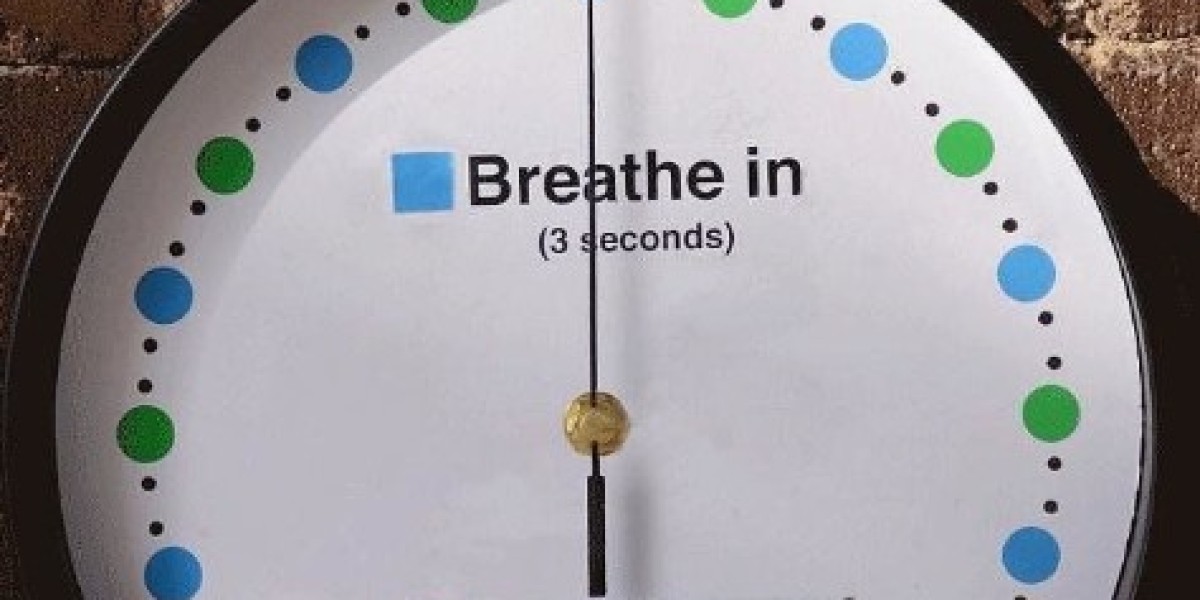

Breathing is something we do every day without thinking about it. However, taking a few minutes to breathe slowly and mindfully can help us pause, relax, and feel more connected to the present moment. When life becomes busy, it is easy to forget the simple things that support our daily well-being. A breathing timer and a free breathing exercise app can make it easier to build a healthy breathing routine without complicated equipment or expensive programs.
Whether you want to take a short break at work, relax before sleeping, or start your morning with a calm mind, guided breathing exercises can fit into almost any schedule. With a few minutes of practice, you can create a peaceful moment for yourself and learn to pay more attention to your breathing.
What Is a Breathing Timer?
A breathing timer is a simple tool that helps you follow a breathing pattern for a selected amount of time. Instead of constantly checking the clock, you can focus on breathing in, breathing out, and allowing your body to settle into a comfortable rhythm.
Some breathing timers use visual guides, gentle sounds, or moving shapes to show when to inhale and exhale. Others offer customizable intervals so you can choose a pattern that feels natural to you.
For example, you might breathe in gently for four seconds and breathe out for six seconds. You can repeat this pattern for one or two minutes, adjusting the timing whenever necessary. You do not need to follow a difficult routine to get started. The goal is to breathe comfortably rather than force yourself to follow strict instructions.
A breathing timer can also help you create a regular habit. Setting aside five minutes each morning or taking a short breathing break during the afternoon can make mindful breathing easier to remember.
Benefits of Using a Free Breathing Exercise App
A free breathing exercise app offers a convenient way to practice breathing wherever you are. You can use it at home, during a work break, or before going to bed. Many apps provide guided sessions, breathing patterns, and simple timers that help beginners get started.
One of the main advantages is accessibility. You do not need to attend a class or purchase special equipment. Depending on the app, you may be able to choose different exercises, adjust session lengths, and follow visual breathing instructions.
Here are some useful ways a breathing app can support your daily routine.
1. Create Moments of Calm
Busy schedules can leave little time to stop and relax. A short breathing session gives you an opportunity to step away from distractions and focus on the present moment.
Try sitting comfortably, relaxing your shoulders, and breathing slowly for two minutes. Pay attention to the feeling of air entering and leaving your body. If your thoughts wander, gently bring your attention back to your breathing.
A free breathing exercise app can guide you through this process, making it easier to practice without wondering what to do next.
2. Build a Consistent Daily Habit
Healthy routines are often easier to maintain when they are simple. A breathing timer allows you to choose a short session that fits your schedule.
You might practice for three minutes after waking up, take a mindful breathing break at lunchtime, or spend five minutes relaxing before bed. Start with a duration that feels manageable instead of setting an unrealistic goal.
Over time, regular practice can help you become more familiar with your breathing patterns and recognize when you need a quiet moment.
3. Support Focus and Concentration
Notifications, deadlines, and everyday responsibilities can make it difficult to concentrate. Taking a short pause may help you return to a task with greater awareness.
Before starting an important assignment, try using a breathing timer for a few comfortable breathing cycles. Put your phone aside if possible and give yourself permission to focus on just one thing.
Although breathing exercises cannot eliminate every distraction, they can provide a useful break between tasks and help you approach your work more mindfully.
4. Develop a Relaxing Bedtime Routine
Many people find it difficult to switch off from daily activities when bedtime arrives. A quiet breathing exercise can become part of a relaxing evening routine.
Dim the lights, get comfortable, and open your preferred breathing app. Choose a gentle exercise that encourages slow, natural breathing without requiring intense effort.
You can also combine breathing practice with other calming habits, such as reading a book, reducing screen time, or keeping your bedroom comfortable. These small changes may help prepare you for rest, although breathing exercises are not a guaranteed treatment for sleep problems.
Simple Breathing Exercises You Can Try
You do not need advanced techniques to begin. A few simple exercises can help you discover what feels comfortable.
Slow, Natural Breathing
This is a good starting point for beginners. Sit or lie down in a comfortable position. Breathe in gently through your nose if comfortable, then breathe out slowly without pushing the air out.
Continue for one to three minutes. Keep your breathing relaxed and return to your normal rhythm whenever you need to.
Equal Breathing
Equal breathing involves making your inhalation and exhalation approximately the same length. For example, breathe in for three seconds and out for three seconds.
Use a breathing timer to maintain a steady rhythm. If three seconds feels uncomfortable, shorten the intervals. There is no need to take unusually deep breaths.
Gentle Extended Exhalation
Some people prefer an exhalation that lasts slightly longer than the inhalation. You might breathe in for three seconds and breathe out for four seconds, provided it feels comfortable.
Repeat the pattern for a short session. If you feel dizzy, breathless, or uncomfortable, stop the exercise and breathe normally.
Remember that the best breathing exercise is one you can perform comfortably. You should never feel that you must hold your breath or force yourself to complete a particular pattern.
What to Look for in a Free Breathing Exercise App
With different breathing tools available, choosing one that suits your needs can make regular practice easier. Consider the following features before selecting an app.
Simple design: An easy-to-understand interface allows you to begin exercising without spending too much time navigating menus.
Customizable timer: Look for options that let you select session lengths and adjust inhalation and exhalation intervals.
Visual guidance: Moving shapes, expanding circles, or other visual cues can help you follow a breathing rhythm without constantly watching the clock.
Gentle reminders: Optional reminders may help you remember to take breaks during a busy day.
Free access: Check which features are included without payment. Some apps advertise free breathing exercises but reserve certain sessions or customization options for paid plans.
Privacy and ease of use: Review the app's privacy information and consider whether it requires an account or collects personal information you would rather not share.
A useful breathing tool does not have to be complicated. A straightforward timer with clear instructions may be enough to support your daily practice.
How to Make Breathing Practice Part of Your Day
Starting a new habit becomes easier when you connect it to something you already do. For example, you could practice after brushing your teeth, before opening your computer, or after finishing lunch.
Begin with just two or three minutes. Choose a quiet place when possible, sit comfortably, and let your breathing remain natural. Use your breathing timer as a guide rather than treating it as a test you must pass.
It can also help to notice how you feel before and after each session. You might feel calmer, more focused, or simply more aware of your body. Experiences vary, so avoid judging your progress by expecting the same result every time.
Consistency matters more than duration. A short, comfortable session that fits your lifestyle is often easier to maintain than a long routine that feels like another responsibility.
Final Thoughts
A breathing timer and free breathing exercise app can make mindful breathing simple, accessible, and convenient. From taking a peaceful break during a busy day to creating a relaxing bedtime routine, these tools offer an easy way to set aside a few minutes for yourself.
You can begin with natural breathing, explore gentle breathing patterns, and gradually discover which routines work best for you. Look for an app with clear guidance, flexible timing, and useful free features. Most importantly, listen to your body and avoid forcing your breath.
Mindful breathing is not about controlling every thought or making every stressful moment disappear. It is about creating a little space in your day to slow down, pay attention, and return to the present moment. Sometimes, a few quiet minutes are a simple and worthwhile place to start.