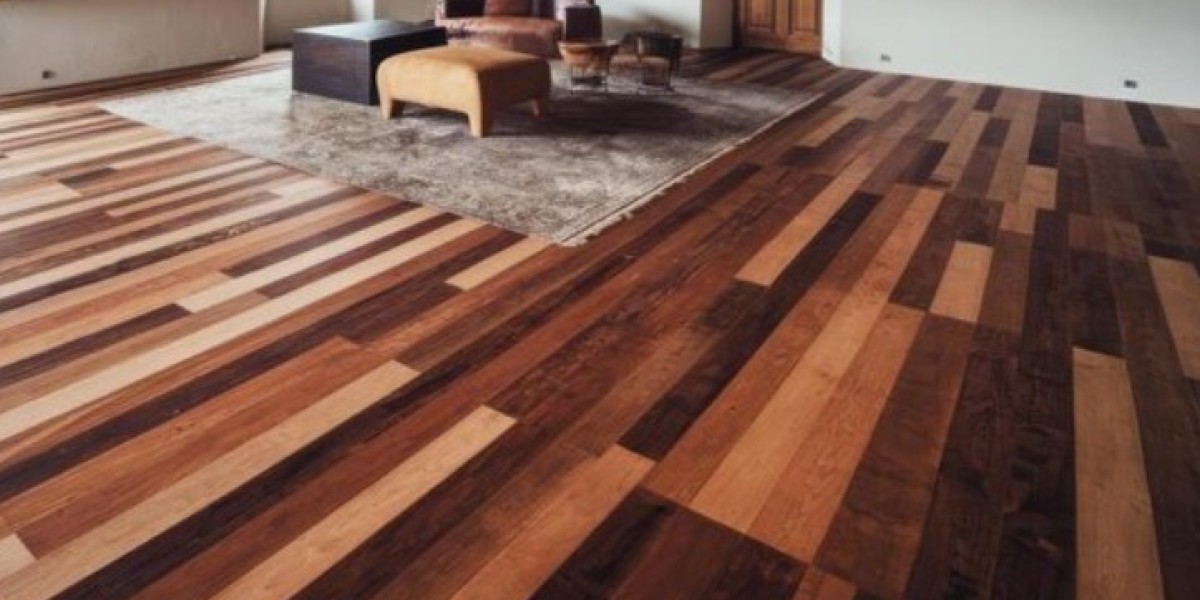

Choosing the right flooring is an important decision for any homeowner. Floors influence the appearance, comfort, durability, and overall value of a property. With so many flooring options available, people are increasingly looking for materials that combine attractive designs with practical performance. Hybrid floors have become a popular choice because they offer a balance of style, durability, and convenient maintenance. Advances in hybrid flooring technology have also improved the way flooring products handle everyday wear, moisture, and changing household needs.
Whether you are renovating a living room, updating a kitchen, or designing a new home, understanding the benefits of hybrid flooring can help you make an informed decision. These modern flooring products provide an appealing alternative to traditional timber, laminate, and vinyl flooring.
What Are Hybrid Floors?
Hybrid floors are modern flooring products designed to combine the advantages of different flooring materials. They typically feature a decorative surface that replicates natural timber or stone, a durable wear layer, a printed design layer, and a rigid core that provides stability. Many products also include an integrated underlay to improve comfort and reduce sound.
One of the main reasons homeowners choose hybrid floors is their ability to create the appearance of natural wood without requiring the same level of maintenance as traditional timber flooring. They are available in numerous colors, patterns, plank sizes, and finishes, making it easier to match different interior design styles.
From contemporary apartments to traditional family homes, hybrid flooring can complement a wide range of interiors. Homeowners can select light oak shades for bright, open spaces or darker wood patterns for a more sophisticated appearance.
Understanding Hybrid Flooring Technology
The development of hybrid flooring technology has transformed the flooring industry by combining material engineering with attractive decorative designs. Manufacturers use multiple layers to create products that can withstand regular household activities while maintaining their visual appeal.
Although construction varies between manufacturers, most hybrid flooring products include several important components.
The wear layer protects the surface against everyday scratches, scuffs, and stains. Its effectiveness depends on the thickness, composition, and quality of the product.
The decorative layer creates the appearance of timber, stone, or other natural materials. Advanced printing methods allow manufacturers to reproduce detailed grain patterns, realistic textures, and subtle color variations.
The rigid core provides structural strength and dimensional stability. Depending on the product, this core may use stone-plastic composite or wood-plastic composite materials. These different constructions can affect the flooring's weight, flexibility, comfort, and performance.
Some products also feature a backing layer or attached acoustic underlay. This can improve installation convenience and help reduce impact noise when used under suitable conditions.
Together, these components demonstrate how hybrid flooring technology brings durability, visual appeal, and practical functionality into a single flooring system.
Key Benefits of Hybrid Flooring
1. Improved Moisture Resistance
Moisture resistance is an important advantage of many hybrid flooring products. Unlike traditional solid timber flooring, which can expand, contract, or become damaged when exposed to excessive moisture, many hybrid floors are designed to tolerate everyday spills and humid conditions more effectively.
This makes them suitable for many kitchens, dining areas, hallways, and other busy household spaces.
However, water resistance does not mean every hybrid floor is completely waterproof in every situation. Water can still enter through joints, edges, or poorly sealed areas. Following the manufacturer's installation instructions and cleaning up spills promptly remain essential.
2. Durability for Everyday Living
Flooring must withstand foot traffic, moving furniture, pets, and other daily activities. Hybrid floors are designed with protective surface layers that help reduce the effects of normal household wear.
The rigid core can also provide a stable foundation when the product is installed over a suitable subfloor. This combination makes hybrid flooring an attractive option for busy families and households that want a practical, long-lasting surface.
Nevertheless, no flooring material is entirely scratch-proof or damage-proof. Using protective pads beneath furniture, placing mats near entrances, and avoiding dragging heavy objects across the surface can help preserve its appearance.
3. Attractive Design Options
Modern homeowners often want flooring that looks natural while offering the convenience of manufactured materials. Hybrid flooring meets this need through realistic timber and stone designs.
Available finishes may include natural oak, warm walnut, grey timber, rustic wood, and contemporary neutral shades. Some products feature textured surfaces that resemble natural wood grain, creating a more authentic appearance.
These design choices allow homeowners to coordinate flooring with kitchen cabinets, wall colors, furniture, and decorative accessories. The result can be a consistent interior style that feels welcoming and well planned.
4. Easy Cleaning and Maintenance
Another advantage of hybrid floors is their relatively simple maintenance routine. Regular sweeping or vacuuming helps remove dust, dirt, and small particles that could otherwise cause surface abrasion.
Occasional damp mopping with a manufacturer-approved cleaner is generally sufficient for routine cleaning. Excessive water, abrasive cleaning products, and harsh chemicals should be avoided unless specifically approved for the flooring.
Compared with some natural timber floors, hybrid flooring usually does not require periodic sanding, polishing, or refinishing. This can make it an appealing choice for homeowners who want an attractive floor without a complicated maintenance schedule.
Where Can Hybrid Floors Be Installed?
Hybrid flooring can be suitable for many residential and selected commercial environments, depending on the product specifications.
Living rooms benefit from its natural timber appearance and durable surface. Bedrooms can feel warmer and more inviting with appropriate colors and finishes. Kitchens may benefit from the moisture resistance of suitable products, particularly in areas where occasional spills are common.
Hallways and entryways can also be practical locations because these areas experience frequent foot traffic. In offices and retail spaces, hybrid flooring may offer an attractive alternative to other hard-surface materials.
Bathrooms, laundry rooms, basements, and areas with substantial water exposure require closer attention to the manufacturer's installation requirements. The product's water-resistance rating, subfloor condition, and room environment should all be considered before installation.
Installation Considerations for Hybrid Flooring
Correct installation plays a major role in the performance and longevity of hybrid floors. Before beginning, installers should inspect the subfloor to ensure it is clean, dry, stable, and sufficiently level according to the manufacturer's specifications.
Uneven surfaces can cause movement, joint separation, or other problems over time. Any necessary subfloor preparation should be completed before the planks are installed.
Many hybrid flooring products use a click-lock installation system. This allows individual planks to connect without traditional nails or adhesives, although installation methods vary by product. The manufacturer may require an expansion gap around walls, doorways, and fixed objects to accommodate movement caused by temperature changes.
Acclimation requirements also differ. Some products require a specific period in the installation environment, while others have different preparation instructions. Following the product documentation is essential.
Professional installation may be worthwhile for complex room layouts, staircases, difficult transitions, or areas where moisture management requires special attention.
How Hybrid Flooring Technology Supports Modern Homes
Continuing improvements in hybrid flooring technology are helping manufacturers develop products with more realistic textures, stronger protective surfaces, and convenient installation systems.
Improved printing techniques create detailed patterns that resemble natural materials, while developments in core construction aim to improve stability and performance. Some manufacturers also focus on acoustic comfort, recycled content, and more efficient production methods.
However, performance varies considerably between products. Buyers should compare wear-layer specifications, core construction, warranty conditions, installation requirements, and indoor air quality information rather than relying on marketing descriptions alone.
Choosing a product with clear technical documentation helps ensure that the flooring suits the intended room and expected level of use.
Tips for Choosing the Right Hybrid Flooring
Before purchasing hybrid flooring, consider the following factors:
- Room requirements: Select a product suitable for the moisture levels and traffic expected in the installation area.
- Surface protection: Compare wear-layer specifications and the manufacturer's guidance on scratch and stain resistance.
- Design and color: Choose a finish that complements existing furniture, cabinetry, and wall colors.
- Installation method: Confirm whether the product uses a floating click-lock system or requires another installation method.
- Warranty coverage: Review the conditions, exclusions, and approved installation requirements.
- Budget: Consider the cost of materials, subfloor preparation, underlay if required, installation, and finishing accessories.
Taking time to compare these details can help prevent unnecessary expenses and ensure that the selected flooring meets your expectations.
Conclusion
Hybrid flooring offers a practical combination of attractive design, convenient maintenance, and everyday durability. Its layered construction makes it a versatile option for homeowners seeking the appearance of natural timber without some of the maintenance demands associated with traditional wood flooring.
As hybrid flooring technology continues to develop, manufacturers are finding new ways to improve decorative realism, surface protection, installation convenience, and overall product performance. Understanding the construction and limitations of different products allows homeowners to choose flooring that suits their lifestyle and interior design goals.
By considering room conditions, installation requirements, product specifications, and long-term maintenance, you can select hybrid floors that provide a stylish and functional foundation for your home. With proper preparation and care, the right hybrid flooring solution can enhance your living space while delivering reliable performance for years to come.