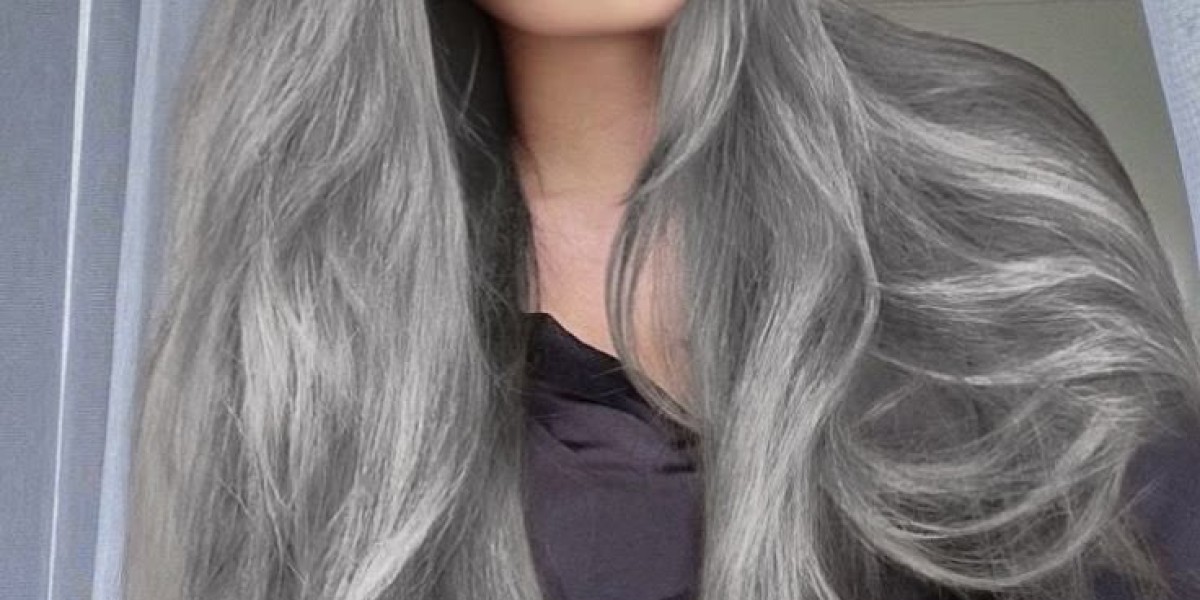

Hair extensions have become a popular option for people who want to experiment with their appearance without waiting for natural hair to grow. They are available in different materials, lengths, colors, and application methods, making it easier to find a style that suits individual preferences. Understanding the types of hair extensions is important before choosing a product because every method has different installation requirements and care routines. Some extensions are designed for temporary use, while others require professional application and regular maintenance. By learning about the available options, shoppers can make informed decisions that complement their natural hair and daily styling habits.
Clip In Hair Extensions for Flexible Styling
Clip-in hair extensions are among the most convenient choices for people who enjoy changing their hairstyles occasionally. These extensions feature small clips that attach to sections of natural hair and can usually be removed at the end of the day. They are available in different lengths, colors, and textures, allowing users to experiment with fuller ponytails, longer hairstyles, and soft waves. Correct placement is important for keeping the clips concealed and distributing weight evenly. People should avoid attaching heavy pieces to fragile sections of hair and follow the manufacturer's instructions to prevent unnecessary pulling or breakage.
Tape In Hair Extensions for a Seamless Appearance
Tape-in extensions consist of hair sections attached using adhesive tabs positioned close to the roots. When installed correctly, they can lie relatively flat against the head and blend naturally with surrounding strands. This method is often chosen by people who prefer a consistent hairstyle without applying extensions every day. Professional installation and removal are recommended because incorrect techniques may damage natural hair. The adhesive also requires suitable care products and handling to maintain its hold. Before choosing tape-in extensions, customers should consider their scalp condition, hair density, maintenance schedule, and willingness to attend professional appointments.
Sew In Hair Extensions for Longer Hairstyles
Sew-in types of hair extensions are commonly installed by securing extension wefts to a foundation created with braided natural hair. This method is often used by people who want additional length or volume for an extended period. The final appearance depends on the quality of the installation, the weight of the added hair, and how well the extensions blend with the natural texture. A qualified stylist should assess whether the hair and scalp can comfortably support the chosen style. Braids that are too tight or extensions that are too heavy can contribute to tension and breakage, so comfort should always be a priority.
Micro Link Hair Extensions and Individual Strands
Micro link extensions use small beads or rings to attach individual extension strands to natural hair. Unlike adhesive-based methods, this technique generally does not rely on glue or tape. The stylist places the links carefully and adjusts them to create a balanced appearance. Installation requires experience because the beads must be secured without excessive pressure. Regular maintenance is necessary as natural hair grows and attachment points move away from the scalp. People with very fine, fragile, or thinning hair should seek professional advice before selecting this method, since poorly positioned or heavy links can increase the risk of damage.
Fusion Hair Extensions for Detailed Application
Fusion extensions are attached to small sections of natural hair using bonds designed for this purpose. Depending on the product, the bonds may be applied with specialized tools or another approved technique. This method can create a natural-looking finish when the extension color, texture, and placement are carefully matched. However, installation and removal require professional expertise, and the process may take several hours. Excessive heat, improper removal, or unsuitable placement can damage natural hair. Anyone considering fusion extensions should discuss the condition of their hair with a trained stylist and understand the maintenance requirements before proceeding.
Halo Hair Extensions for Simple Application
Halo extensions use a thin, adjustable wire to position an extension piece around the head. The wire sits beneath a layer of natural hair, helping conceal the attachment and create a fuller appearance. This design makes halo extensions an option for people who prefer a temporary style without clips, adhesive, or braided foundations. Choosing the correct size and weight is important for comfort and a natural finish. Users should follow the manufacturer's fitting instructions and avoid wearing an extension that feels uncomfortable or places unnecessary pressure on the hairline.
Choosing Between Human Hair and Synthetic Extensions
Hair extensions are commonly made from human hair or synthetic fibers. Human hair extensions generally offer greater styling flexibility and can often be washed, curled, or straightened when the manufacturer's instructions permit. Their appearance and behavior may resemble natural hair more closely, although quality varies between products. Synthetic extensions can provide a range of colors and styles, sometimes at a lower purchase price, but their heat resistance and styling possibilities depend on the material. Before purchasing, review the product description carefully and consider how frequently you plan to wear the extensions and how much maintenance you can manage.
Exploring Belbonita Hair Extensions
Belbonita hair extensions are worth exploring when comparing hair enhancement products and looking for options that suit a particular style. Before selecting a product from Bel Bonita, review the available information about color, length, texture, material, and application method. These details can help determine whether an extension is suitable for your natural hair and intended hairstyle. Customers should also examine the care instructions and any guidance about heat styling or maintenance. Taking time to compare product specifications can make shopping more straightforward and help ensure that the chosen extensions match personal expectations.
How to Maintain Hair Extensions Correctly
Proper maintenance plays an important role in preserving the appearance of hair extensions. Brush gently from the ends upward, using a suitable brush and supporting the hair near attachment points. Follow the recommended washing routine and select products appropriate for the extension material and installation method. Avoid excessive heat and harsh handling, which can contribute to tangling, dryness, or breakage. Removable extensions should be stored in a clean, dry place when they are not being used. Professionally installed extensions also need regular checks and timely maintenance. If the scalp becomes painful or irritated, consult a qualified hair professional rather than ignoring the discomfort.
Frequently Asked Questions About Hair Extensions
Which types of hair extensions are best for beginners?
Clip-in and halo extensions are often convenient starting points because they are designed for temporary use and generally do not require permanent attachment. Beginners should still follow fitting instructions and select a suitable weight and size.
How do I choose the right hair extension method?
Consider your natural hair condition, desired hairstyle, budget, available styling time, and maintenance preferences. A qualified stylist can explain which application methods are appropriate for your hair type.
Can hair extensions damage natural hair?
Extensions can contribute to breakage or hair loss when they are too heavy, installed too tightly, or maintained incorrectly. Choosing a suitable method, avoiding excessive tension, and following professional advice can help reduce these risks.
Are human hair extensions better than synthetic options?
Neither option is ideal for everyone. Human hair generally allows more styling flexibility, while synthetic extensions may suit people seeking specific ready-made styles. Your decision should depend on budget, intended use, and product care requirements.
How can I choose suitable Belbonita hair extensions?
Review the product details available from Bel Bonita, paying attention to material, length, color, texture, and maintenance instructions. Compare these details with your natural hair and preferred styling routine before making a decision.
Conclusion
Understanding the different types of hair extensions makes it easier to choose a suitable option for different hairstyles and personal routines. Clip-in, tape-in, sew-in, micro link, fusion, and halo extensions each have distinct application methods and maintenance requirements. Human hair and synthetic materials also offer different styling possibilities. By comparing these options carefully and following appropriate care practices, you can create a hairstyle that complements your natural appearance. Exploring Belbonita hair extensions and reviewing their available product information can further support an informed choice. The most suitable extension is one that meets your styling preferences while keeping comfort and natural hair health in mind.