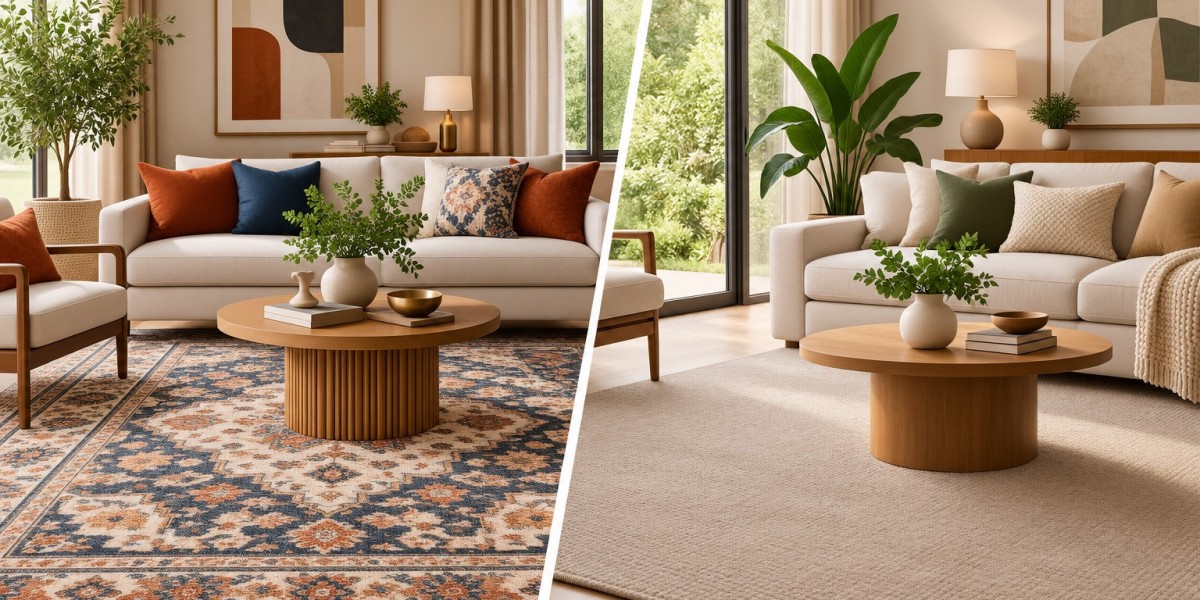

The best indoor rug materials for durability are wool and nylon. Wool offers natural softness and stain resistance, while nylon handles heavy foot traffic with ease. For high-traffic areas, polypropylene works well, and for low-traffic spaces, jute or sisal add texture. Match the material to your home's needs for the longest lifespan.
Indoor rugs do more than cover your floor. They tie a room together, add warmth underfoot, and soften the look and feel of any space. But here's what many people overlook: the material you choose decides how long your rug will last.
A rug made from the wrong fiber can flatten, fade, or fall apart within a year. The right one, however, can stay beautiful for a decade or more. When you buy rugs, the material affects everything—durability, comfort, cleaning, and cost.
This guide breaks down the most common indoor rug materials, their strengths and weaknesses, and how to pick the one that fits your home. By the end, you'll know exactly what to look for before you spend a single rupee.
What Are the Different Indoor Rug Materials?
Indoor rugs fall into two broad categories: natural fibers and synthetic fibers. Each has its own benefits depending on where you place the rug and how much wear it faces.
Natural Fiber Rugs: Wool, Cotton, and Jute
Natural fibers come from plants or animals. They tend to feel richer and age gracefully, though some need more care than synthetics.
Wool is the gold standard for indoor rugs. It's soft, dense, and naturally resists stains thanks to the lanolin in the fibers. Wool rugs spring back after being walked on, which means they hold their shape for years. They also keep rooms warm in winter and cool in summer. If you want a rug that lasts decades, wool is hard to beat.
Cotton offers a more budget-friendly option. Cotton rugs are easy to clean—many can go straight into the washing machine—and they bring a casual, relaxed feel to a space. The trade-off is durability. Cotton wears down faster than wool, so it works best in low-traffic spots like bedrooms or as a layering piece.
Jute and sisal deliver an earthy, textured look. Both come from plants, making them eco-friendly choices for people who care about sustainability. They suit low-traffic areas well. The catch? They don't handle moisture or spills well, so keep them away from kitchens and entryways.
Synthetic Fiber Rugs: Polyester, Polypropylene, and Nylon
Synthetic fibers are made in factories, which gives manufacturers control over color, texture, and performance. They often cost less and resist stains better than natural options.
Polyester feels soft and shows off bright, vibrant colors. It resists stains and fading, making it a solid pick for rooms with plenty of sunlight. On the downside, polyester can flatten under heavy use, so it's better for medium-traffic areas.
Polypropylene (also called olefin) is a workhorse. It resists water, stains, and fading, and it stands up to heavy foot traffic. This makes it ideal for hallways, living rooms, and homes with busy schedules. It's also affordable, which adds to its appeal.
Nylon is the toughest synthetic fiber on the market. It's resilient, bounces back from pressure, and handles years of heavy use without showing wear. For busy households with kids and pets, nylon delivers durability that few other materials can match.
What Factors Should You Consider When Choosing a Rug Material?
Picking the right rug isn't only about looks. Four factors should guide your decision.
How Much Traffic Does the Area Get?
Traffic level is the biggest factor in rug longevity. For high-traffic zones like hallways and living rooms, choose nylon or polypropylene. For medium-traffic spaces, wool or polyester work well. For low-traffic areas like bedrooms or formal sitting rooms, cotton, jute, or sisal will do the job.
Does Your Lifestyle Suit the Material?
Your daily life matters. If you have pets, look for stain-resistant fibers like nylon or polypropylene that clean up easily. Families with young children benefit from the same durable options. If anyone in your home has allergies, wool is a smart choice—it naturally traps dust and allergens, which you can then vacuum away.
How Much Maintenance Are You Willing to Do?
Some rugs need more care than others. Cotton rugs are often machine washable. Synthetic rugs wipe clean with little effort. Wool needs gentle care and occasional professional cleaning, while jute and sisal require dry cleaning since they react badly to water. Be honest about how much time you want to spend on upkeep.
What Style and Comfort Do You Want?
Finally, think about feel and appearance. Wool gives plush warmth underfoot. Jute and sisal add natural texture and an organic look. Polyester brings rich color. The right material should match both your design taste and the comfort you expect when you step onto the rug each morning.
The Craft Behind Handmade Rugs in India
Beyond materials, the way a rug is made shapes its quality. Handmade Rugs in India carry a level of artistry that machine-made rugs simply can't match. Skilled weavers hand-knot each piece, creating rugs that are sturdy, unique, and built to last.
The Ambiente, a premium rug store based in Delhi, brings this craft to modern homes. Rooted in Bhadohi—India's hub of handmade carpets—the brand blends traditional handweaving techniques with contemporary design. Their collections feature handcrafted silk and wool rugs that balance heritage with current trends.
What sets The Ambiente apart is its commitment to its artisans. The brand works with over 4,000 women weavers, providing sustainable livelihoods and recognition for their craft. When you buy rugs from The Ambiente, you're not just getting a quality floor covering—you're supporting the hands that made it.
How Do You Make the Right Choice for Your Home?
The material you pick directly shapes how long your rug will last. A wool rug in a low-traffic bedroom can outlive a poorly chosen synthetic in a busy hallway. So before you buy rugs, take stock of your space.
Ask yourself a few questions. How much foot traffic does the room get? Do you have pets or kids? How much time can you give to cleaning? What feel do you want underfoot? Your answers will point you toward the right fiber.
When you match the material to your needs, your indoor rugs will reward you with years of beauty and comfort.
Invest in Quality, Enjoy Long-Lasting Beauty
The right rug material is an investment in your home. Wool and nylon lead the pack for durability, while polypropylene shines in high-traffic zones and natural fibers like jute add character to quiet corners. The key is to choose based on your specific needs, not just the look.
Quality matters too. Handmade rugs, like those from The Ambiente, combine durable materials with skilled craftsmanship to give you a piece that lasts. Take the time to assess your space, weigh your options, and pick a rug that fits the way you live. Do that, and your indoor rugs will stay beautiful for years to come.
Frequently Asked Questions
Which indoor rug material lasts the longest?
Wool and nylon last the longest. Wool can stay beautiful for decades with proper care, thanks to its natural resilience and stain resistance. Nylon is the most durable synthetic fiber, making it ideal for high-traffic areas and busy households.
What is the best rug material for homes with pets?
Nylon and polypropylene are the best choices for pet owners. Both resist stains, clean up easily, and stand up to claws and accidents. They handle heavy use without showing much wear, which makes them practical for active homes.
Are natural fiber rugs better than synthetic ones?
It depends on your needs. Natural fibers like wool feel richer and age well, but cost more and need more care. Synthetic fibers like nylon and polypropylene resist stains better and cost less. Choose natural fibers for comfort and longevity, and synthetics for high-traffic, low-maintenance spaces.
How much does rug material affect price?
Material is one of the biggest factors in rug price. Wool and silk sit at the premium end, while cotton and synthetics like polyester and polypropylene cost less. Handmade rugs also cost more than machine-made ones due to the labor involved.
Where can I buy quality handmade rugs in India?
The Ambiente, based in Delhi, offers a wide range of handmade silk and wool rugs. The brand blends traditional weaving from Bhadohi with modern design and works with over 4,000 women weavers to support sustainable craft.