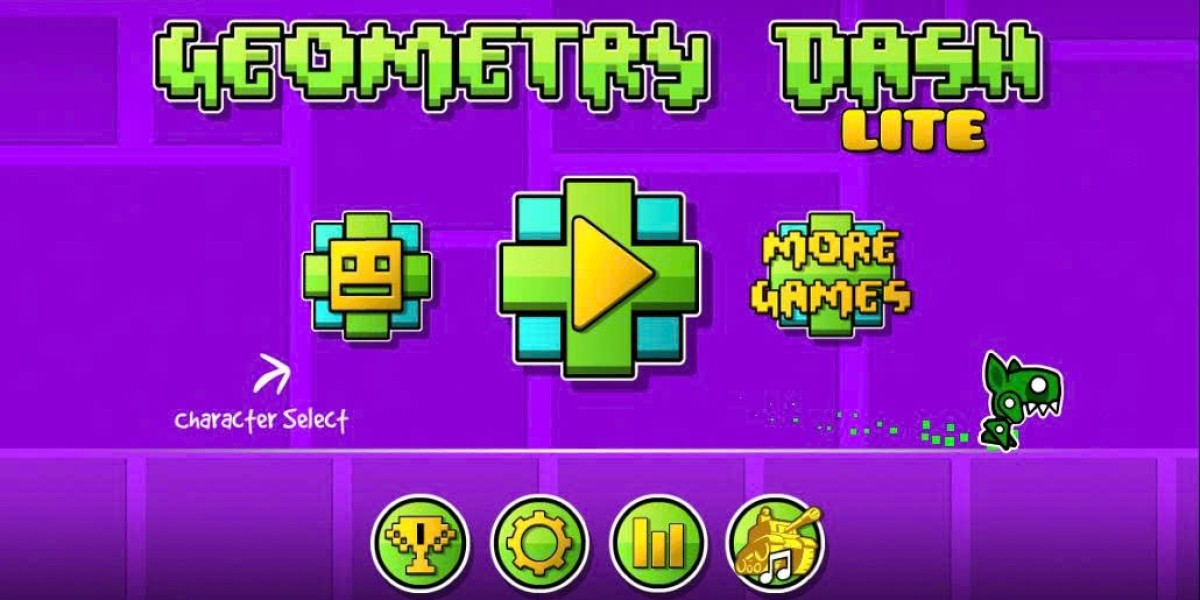

Some games ask you to plan every move. Others ask you to react in a split second. Geometry Dash does both, wrapping a simple idea—jump over obstacles—as a bright, fast-moving challenge that can keep you trying “just one more time” long after you meant to stop.
The appeal of a simple idea
The controls are straightforward, so new players can get started quickly. The challenge comes from what the game asks you to notice: the distance between obstacles, the timing of a jump, and the beat of the music. A jump that works in one section may send you straight into a spike in the next.
The geometric style helps keep the action clear. Obstacles stand out against the background, and each level has its own visual personality. Music is more than decoration, too. Its rhythm can offer clues about when to jump, although it’s still important to watch the screen rather than rely on sound alone.
If you’re curious to explore the game, you can find Geometry Dash online. Whether you’re playing for a few minutes or aiming to master a difficult stage, the central appeal is the same: every attempt teaches you a little more about the level.
Gameplay: jump, learn, repeat
In a typical level, your character travels forward without stopping. You control when it jumps, and sometimes how it interacts with objects that change its movement. Portals and other features can alter the pace or feel of a section, so familiar timing may no longer apply. The game keeps the basic action consistent while introducing new situations that ask you to adapt.
Early sections often give you a chance to learn how jumps work. As you progress, obstacles arrive closer together, and a safe landing may lead directly into another jump. This makes it helpful to think beyond the next spike. Instead of asking only, “When should I jump?”, try noticing where you need to land and what comes immediately afterward.
A failed attempt is part of the experience. When you hit an obstacle, you usually return to an earlier point and try again. That can feel frustrating, especially when you were close to the end, but each run gives you information. Perhaps you jumped too early, held the button too long, or focused on the character instead of the obstacle ahead. A small adjustment can make the next attempt more successful.
Many players find that the fun comes from this gradual improvement. A section that once seemed impossible begins to feel familiar. You recognize the pattern, respond more calmly, and start to move with the level rather than against it.
Tips for a more enjoyable run
Start by learning the rhythm. Listen to the music and notice how it lines up with the action. The beat can help you anticipate a jump, but treat it as a guide rather than a guarantee. Some sections may use off-beat cues or change pace, so keep your eyes on the hazards.
Look ahead, not just at your character. Watching the space in front gives you more time to prepare. Try to notice groups of obstacles and the shape of the safe landing areas. This can make a sequence feel like one pattern instead of a string of unrelated surprises.
Use short, deliberate inputs. When a jump only needs a quick tap, holding the button may create a higher jump than you intended. Pay attention to how the controls respond in different situations. A light touch is often easier to repeat consistently.
Practice one difficult section at a time. If the game offers a practice mode or checkpoints, use them to become familiar with tricky parts. Focus on a small stretch until you understand its timing, then connect it to the sections before and after. Breaking a level into pieces can make a long challenge feel manageable.
Treat retries as feedback. After a collision, think about what happened. Did you react too late? Did you jump before the previous obstacle was fully behind you? A quick mental note is more useful than repeating the same attempt without changing anything.
Take a pause when frustration builds. Repetition helps, but tired or tense play can make timing worse. A short break lets your attention reset. When you return, a section that felt chaotic may become easier to read.
Choose a comfortable setup. If you’re playing on a computer, sit where you can see the screen clearly and use controls that feel natural. Good visibility and a relaxed posture won’t solve a hard level, but they can help you stay focused.
Above all, try to enjoy the small wins. Reaching a new section, surviving a difficult jump, or understanding why a particular attempt failed all count as progress. A perfect run is satisfying, but learning how to get there is a big part of the fun.
Conclusion: enjoy the next attempt
Geometry Dash shows how much excitement can come from a simple jumping mechanic. Its combination of quick reactions, memorable music, and repeated attempts creates a challenge that is easy to understand but rewarding to master. You don’t need to be an expert to enjoy it; patience and curiosity go a long way.
Play at your own pace, pay attention to the patterns, and don’t let a failed run spoil the experience. Sometimes the most satisfying moment isn’t reaching the finish—it’s realizing that a jump that once seemed impossible now feels just right.