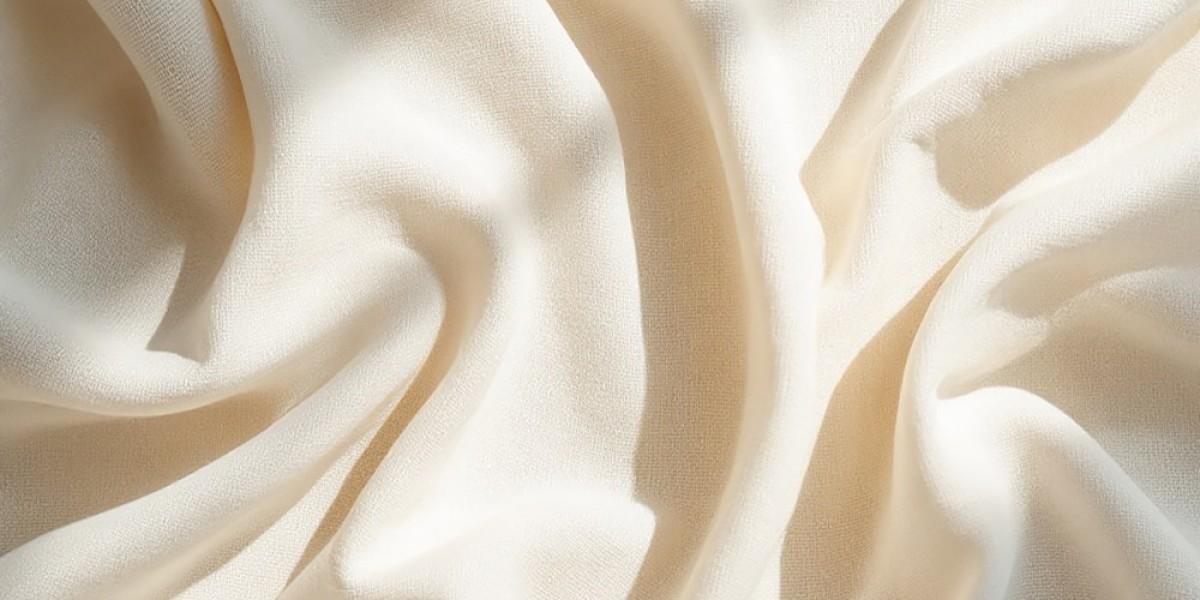

Linen fabric offers superior breathability and durability, making it the stronger choice for structured, professional summer pieces. Rayon delivers a softer drape and lower cost, suiting flowy, casual designs instead. Many successful summer lines blend both fabrics. Fabriclore Pvt Ltd, a trusted wholesale fabric supplier, stocks premium linen and rayon for bulk buyers.
Summer collections live or die by fabric choice. Comfort, durability, and style all hinge on the material a brand selects, and two fabrics consistently dominate the conversation: linen and rayon.
Both fabrics look great on a summer rack. But they behave very differently once a customer wears them in real heat, washes them a dozen times, or stores them for next season. Buyers and designers need to understand these differences before placing a bulk order.
This post breaks down linen and rayon side by side, covering breathability, durability, cost, and performance in real summer garments. By the end, you'll know which fabric fits your next collection, and where to source quality cloth material linen for your production run.
What Is Linen Fabric?
Linen fabric comes from the flax plant, one of the oldest cultivated fibers in human history. Manufacturers spin flax stalks into yarn, then weave that yarn into a fabric known for its strength and breathability.
Linen fibers are naturally hollow, which lets air pass through the weave. This structure makes linen fabric one of the most breathable materials available for summer apparel. It also absorbs moisture quickly and releases it just as fast, keeping the wearer cool even in humid conditions.
Linen gets softer with every wash, unlike many synthetic fabrics that wear down over time. This is one reason wholesale fabric buyers consistently choose linen for summer lines that need to hold up after repeated washing.
What Is Rayon?
Rayon is a semi-synthetic fiber made from regenerated cellulose, usually sourced from wood pulp. Manufacturers chemically process the cellulose into a fiber that mimics the feel of natural materials like silk or cotton.
Rayon drapes beautifully. The fabric falls in soft, fluid lines, which makes it a favorite for flowing dresses, blouses, and other fashion-forward pieces. Its silky hand feel gives garments a premium look without the premium price tag of pure silk.
Because rayon costs less to produce at scale, it shows up frequently in fast-moving summer collections that prioritize style over long-term wear.
Linen vs Rayon: The Key Differences
Which fabric breathes better in hot weather?
Linen outperforms rayon in hot, humid climates. Its open weave and hollow fibers move air and moisture away from the skin faster than rayon's tighter, smoother structure. Brands targeting customers in tropical or desert regions should lean toward linen fabric.
Which fabric lasts longer?
Linen wins on durability. The fiber is naturally strong, and its strength increases when wet, which is rare among natural fabrics. Rayon fibers weaken when wet and wear down faster with repeated washing.
What are the care requirements for each fabric?
Rayon needs gentler handling. It can shrink, stretch, or lose shape if washed incorrectly, and many rayon garments require dry cleaning. Linen is more forgiving. It tolerates machine washing and improves in texture over time.
Which fabric costs less?
Rayon typically costs less to produce and purchase in bulk. Linen commands a premium price due to the labor-intensive flax harvesting and processing it requires. Brands working with tight margins often lean toward rayon for this reason.
Which fabric wrinkles more?
Linen wrinkles naturally and visibly. Many designers treat this as part of the fabric's character rather than a flaw. Rayon resists creasing better, which makes it a practical pick for travel-friendly or low-maintenance clothing lines.
How Do Linen and Rayon Perform in Summer Collections?
Linen excels in structured pieces like shirts, trousers, and tailored jackets. The fabric holds its shape well and gives a crisp, professional finish that works for both casual and business-casual summer wardrobes.
Rayon fits better in flowing dresses and delicate, decorative designs. Its drape and softness suit relaxed, casual aesthetics rather than structured tailoring.
If your target customer needs cloth material linen for a polished, professional look, linen is the stronger choice. If your collection leans toward soft, bohemian, or resort-style pieces, rayon often performs better.
Why Do Wholesale Fabric Suppliers Favor Linen?
Demand for sustainable, natural fibers keeps growing among fashion brands and their customers. Linen fits directly into this shift because flax requires less water and fewer pesticides than many other crops used in textile production.
Wholesale fabric suppliers also see better profit margins on quality linen fabric, since buyers are willing to pay more for a material known to last. Linen's long-term durability reduces customer complaints and returns, which matters for brands building repeat business.
Fabriclore Pvt Ltd stands out as one of the best local and online stores for wholesale fabric buyers looking to source premium linen fabric in bulk. The supplier offers a wide range of linen options suited for private-label summer collections, along with low minimum order quantities that smaller brands need to test new designs before scaling production.
How Should You Choose Between Linen and Rayon?
Start with your target market's climate and lifestyle. A collection built for a humid coastal city needs different performance than one built for a mild, inland region.
Budget constraints matter, but remember that linen's durability often lowers cost per wear over time, even if the upfront price runs higher. Rayon may save money initially but could require more frequent replacement.
Test both fabrics with your production team before committing to a full run. Fabric behaves differently once it's cut, sewn, and worn, so a small pilot batch can reveal issues that a swatch alone won't show.
Partner with a reliable wholesale fabric supplier who understands both fibers and can guide you on quality, pricing, and minimum order quantities.
Which Fabric Should You Pick for Your Next Collection?
Linen fabric wins when durability, breathability, and a structured, professional finish matter most. Rayon wins when softness, drape, and a lower price point drive the decision.
Many of the best summer collections don't rely on one fabric alone. They blend structured linen pieces with flowing rayon pieces, giving customers variety within a single line.
Whichever direction you choose, source your cloth material linen and rayon from a trusted wholesale fabric supplier. Fabriclore Pvt Ltd offers both fabric types at competitive bulk pricing, with quality checks built into every batch, making it a solid starting point for your next summer collection.
Frequently Asked Questions
Is linen or rayon better for hot climates?
Linen performs better in hot, humid climates because its hollow fibers and open weave move heat and moisture away from the body faster than rayon.
Does rayon shrink more than linen?
Yes. Rayon shrinks and loses shape more easily than linen, especially when washed in hot water or without following care instructions.
Which fabric is more budget-friendly for bulk orders?
Rayon generally costs less per meter than linen, making it a more budget-friendly option for brands working with tighter margins.
Can linen and rayon be combined in one collection?
Yes. Many summer collections combine structured linen pieces with flowing rayon pieces to offer customers both durability and softness in the same line.
Where can brands source quality linen and rayon in bulk?
Brands can source quality linen fabric and rayon from wholesale fabric suppliers like Fabriclore Pvt Ltd, which offers both fiber types with low minimum order quantities for private-label production.