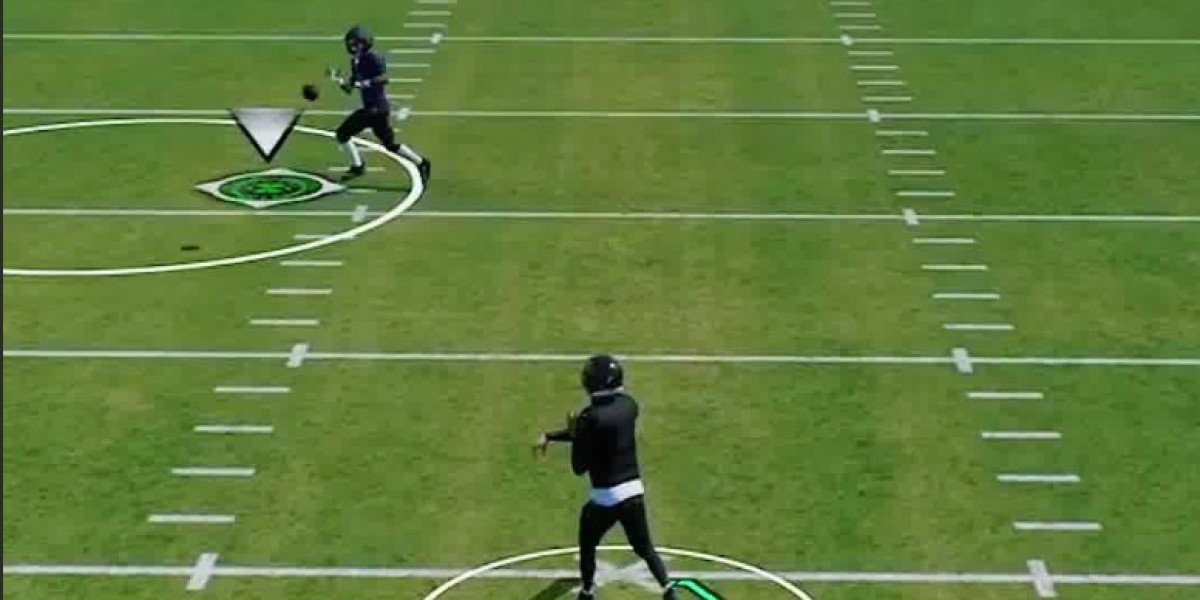

A strong secondary isn't built by grabbing the biggest names you can afford. It's built by noticing what keeps going wrong, then spending your Madden 27 coins where they'll make a difference. Maybe your outside corner keeps losing footraces. Maybe your safety arrives late whenever someone attacks the middle. Those are different problems, and throwing the same expensive card at both won't necessarily help. Before you shop, play a few games with your current lineup. Watch the plays that hurt you, not just the score. You'll soon spot a pattern. That gives you a starting point, which is far more useful than chasing an overall rating because it looks impressive on the lineup screen. Start with the position that opponents keep targeting.
Give Your Corners Jobs They Can Handle
Your cornerbacks need to suit the calls you actually make. If you spend most drives in man coverage, look closely at man coverage ratings alongside speed and acceleration. If you sit in zone, put more weight on zone coverage instead. Sounds obvious, but it's easy to forget when a popular card hits the market. Size matters too, especially when your opponents lean on taller receivers, though height alone won't rescue a poor matchup. Don't overlook your slot corner either. That player can spend a whole game dealing with quick routes and traffic underneath. An upgrade there might do more than replacing an outside corner who already holds up. Check catching as a secondary consideration, but don't sacrifice the coverage tools you need just for better hands.
Choose Safeties Around Your Usual Calls
Think about where your safeties spend their time before deciding who belongs there. In a single high look, the deep safety has a lot of ground to cover. Speed deserves attention, but so does whether that player fits your coverage approach. With two deep safeties, you want both sides to feel dependable. One weak spot gives an opponent somewhere to keep throwing. If you bring a safety closer to the line, tackling becomes harder to ignore. Still, don't treat that player as a linebacker who never has to cover anyone. Short routes can expose that choice fast. Sometimes the fix isn't a purchase at all. Move your existing safeties around, try a different assignment, and see whether you're asking the wrong player to do the job.
Find the Cause Before Buying the Fix
After a rough game, buying someone new feels productive. It isn't always the right move. A corner giving up a completion might be dealing with an awkward matchup, an unsuitable call, or pressure that never reaches the quarterback. Watch a few examples before deciding the card is the problem. Keep your notes simple: beaten deep, missed tackle, open underneath. You don't need a spreadsheet. You need enough detail to stop guessing. If the same defender struggles across several calls, that's a stronger reason to upgrade. If several players leave the same area open, look at your scheme first. Then compare possible replacements by the attributes that address that specific weakness. A small improvement in the right place can be worth more than a costly upgrade somewhere else.
Leave Yourself Room to Adjust
Don't empty your budget just to make one position look finished. You might discover that your new corner solves one problem while your slot defender still gives up easy completions. Keep some MUT Coins available so you can respond without rebuilding everything. Once you've made a change, give it a fair test against different receivers and formations. One interception doesn't prove a card was worth the price, and one touchdown allowed doesn't make it useless. Look for fewer repeated mistakes over several games. That's the progress you're after. Your secondary should work as a group, with corners handling their assignments and safeties providing dependable support. Spend carefully, adjust your calls when needed, and let what happens on the field guide the next purchase.
人気の投稿