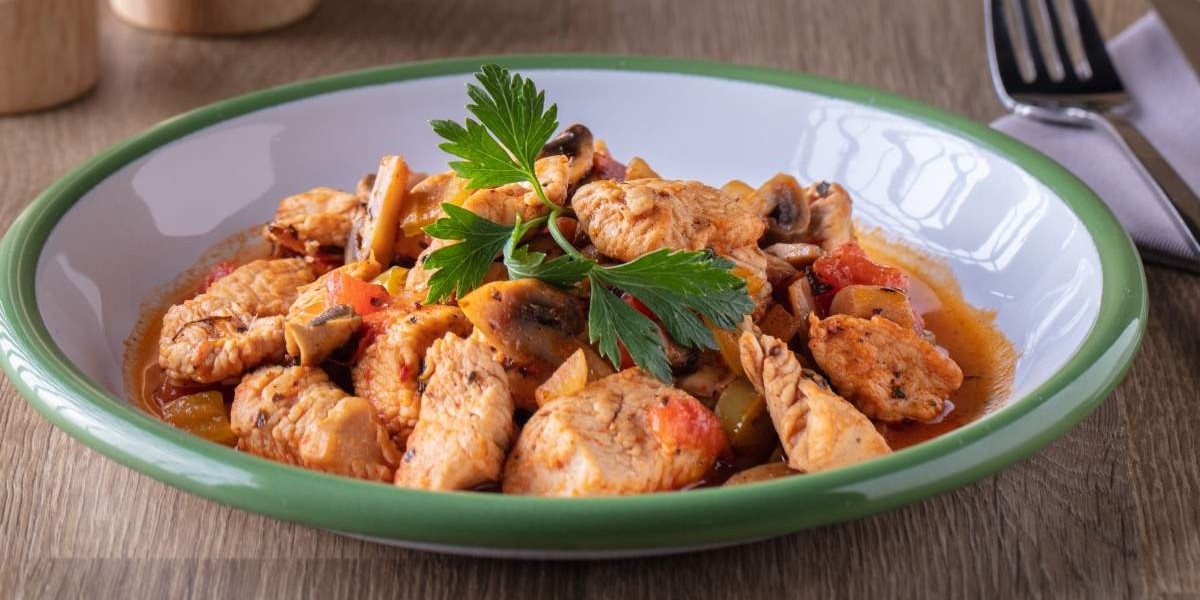

This guide walks you through everything you need to know to make a truly Comforting Chicken Stew from scratch the right cuts of chicken, the ingredients that build deep flavor, step-by-step cooking instructions, and troubleshooting tips for a silky, never-watery broth. By the end, you'll have a reliable, repeatable recipe you can lean on all year round.
What Is a Stew Made With Chicken?
Quick answer: Chicken Stew is a slow-simmered dish made with pieces of chicken, root vegetables, aromatics, and a thickened broth or gravy, cooked low and slow until the meat is fall-apart tender and the flavors meld together.
Unlike a soup, which tends to be thinner and broth-forward, this style of cooking produces something thicker, heartier, and often served as a standalone meal rather than a starter. The slow cooking process breaks down connective tissue in the chicken and softens vegetables like carrots, potatoes, and celery until they practically melt into the sauce.
A Brief History of Stewed Chicken
Stewing is one of the oldest cooking methods in the world, used across cultures long before ovens and stovetops existed. Cooks would combine whatever protein and vegetables were available in a single pot over low heat, letting time do the work of tenderizing tougher cuts of meat. This particular dish became a staple in home kitchens because chicken is affordable, widely available, and takes on flavor beautifully when simmered slowly with herbs and vegetables.
Ingredients for a Hearty Chicken Stew
A great one-pot dinner like this relies on a handful of core building blocks. Here's what you'll need and why each ingredient matters.
The Protein
Boneless, skinless chicken thighs (2 lbs) Thighs are more forgiving than breast meat during long simmering and stay juicy instead of turning stringy. Bone-in thighs also work well and add extra richness to the broth.
The Vegetables
Yellow onion (1 large, diced) the aromatic base
Carrots (3–4, sliced into rounds) natural sweetness and color
Celery (2–3 stalks, sliced) earthy depth
Yukon gold or russet potatoes (1.5 lbs, cubed) for body and heartiness
Garlic (4 cloves, minced) essential aromatic flavor
Frozen peas (1 cup, added at the end) a pop of color and sweetness
The Liquid Base
Low-sodium chicken broth (4–5 cups) the backbone of the dish
Tomato paste (1 tablespoon, optional) adds subtle umami depth
Bay leaves (2) and fresh thyme (a few sprigs) classic aromatics for this style of cooking
The Thickener
All-purpose flour (3 tablespoons) or cornstarch slurry for a rich, gravy-like consistency. Use cornstarch or a gluten-free flour blend to make this dish celiac-friendly.
Seasoning
Salt, black pepper, smoked or sweet paprika, and a splash of Worcestershire sauce for savory depth.
How to Make Chicken Stew: Step-by-Step Instructions
Follow these steps for a foolproof pot of comfort food every time.
Step 1: Season and Sear the Chicken
Pat the chicken thighs dry and season generously with salt and pepper. Heat two tablespoons of oil in a large Dutch oven or heavy-bottomed pot over medium-high heat. Sear the chicken in batches for 2–3 minutes per side until golden brown this step builds a deeply flavored fond at the bottom of the pot that becomes the foundation of your broth. Remove the chicken and set aside; it doesn't need to be fully cooked through yet.
Step 2: Build the Aromatic Base
In the same pot, lower the heat to medium and add the diced onion, carrots, and celery. Cook for 5–6 minutes, stirring occasionally, until the onions turn translucent. Add the minced garlic and cook for another 30 seconds until fragrant. If using tomato paste, stir it in now and cook for 1 minute to caramelize slightly.
Step 3: Add the Thickener
Sprinkle the flour over the vegetables and stir constantly for 1–2 minutes. This step coats the vegetables and helps thicken the broth as it simmers, preventing a thin, watery result.
Step 4: Deglaze and Combine
Slowly pour in the chicken broth while scraping up the browned bits from the bottom of the pot with a wooden spoon. Return the seared chicken to the pot, along with the bay leaves and thyme. Bring the mixture to a gentle boil.
Step 5: Simmer Low and Slow
Reduce the heat to low, cover, and let everything simmer for 25–30 minutes. Add the cubed potatoes and continue simmering for another 20–25 minutes, or until the chicken is fork-tender and the potatoes are soft.
Step 6: Shred or Cube the Chicken
Remove the chicken thighs, shred or chop them into bite-sized pieces, and return them to the pot. This ensures every bite has evenly distributed meat.
Step 7: Finish and Adjust
Stir in the frozen peas and let them warm through for 2–3 minutes. Taste and adjust seasoning with salt, pepper, or a splash of Worcestershire sauce. Remove the bay leaves before serving.
Tips for the Best Classic Chicken Stew Recipe
Don't skip the sear. Browning the chicken first adds a layer of flavor that a plain boil can't replicate.
Use thighs over breast meat. Thighs stay moist during long cooking; breast meat can dry out and become tough.
Cut vegetables evenly. Uniform pieces cook at the same rate, so nothing turns mushy while other pieces stay firm.
Simmer gently, don't boil. A rolling boil can make chicken rubbery and break vegetables apart. Keep the heat low and steady.
Let it rest. This dish often tastes better 10–15 minutes after cooking, once the flavors have had time to settle.
Adjust thickness to preference. For a thicker result, mash a few potato cubes into the broth. For a thinner consistency, add extra broth in small amounts.
If you're a fan of bold, saucy chicken dishes, you might also enjoy our Lemon Pepper Wings with Sauce, which brings a completely different but equally satisfying flavor profile to your weekly dinner rotation.
Popular Variations on This Recipe
One of the best things about this dish is how adaptable it is. Here are a few popular variations.
Slow Cooker Version
Sear the chicken and sauté the aromatics as directed, then transfer everything to a slow cooker with the broth, herbs, and seasoning. Cook on low for 6–7 hours or on high for 3–4 hours, adding the potatoes in the last 2 hours and peas in the final 15 minutes.
Serving Suggestions
Crusty bread or dinner rolls for soaking up the broth
Steamed rice or egg noodles served underneath a generous ladle of the finished stew
A simple green salad with vinaigrette to balance the richness
Buttermilk biscuits for a comforting, Southern-style pairing
For those who want to keep the chicken theme going throughout the week, our Masala Chicken Roast Recipe is a spiced, oven-roasted option that pairs wonderfully with rice and naan.
Nutritional Overview
A standard bowl of Chicken Stew made with chicken thighs, vegetables, and a light flour-based thickener typically provides a well-rounded mix of protein, fiber, and micronutrients from the carrots, potatoes, and peas. Chicken is an excellent source of lean protein, while the vegetable base contributes vitamin A, vitamin C, and potassium. For a lower-calorie, lower-fat version, follow the healthy adaptation outlined above.
Common Mistakes to Avoid
Overcrowding the pot when searing this causes the chicken to steam instead of brown. Sear in batches.
Adding potatoes too early they can turn mushy if simmered for the full cooking time; add them partway through instead.
Skipping the resting step cutting corners here means missing out on the fullest flavor.
Under-seasoning this style of dish needs generous seasoning throughout the cooking process, not just at the end, since the flavor is diluted by the broth.
If you enjoy exploring different global takes on chicken, our Delicious Thai Chicken Meatballs offer a fun, flavor-packed contrast with fresh herbs and a touch of spice.
Why This Recipe Works
This recipe is built on time-tested cooking techniques: searing for flavor development, a proper roux-style thickening method, and a low, slow simmer that guarantees tender chicken and vegetables every time. These aren't shortcuts they're the same fundamentals used in professional kitchens, simplified for home cooks. Each step has a clear purpose, so you're not just following instructions blindly; you understand why the dish comes together the way it does, which makes it easier to troubleshoot and adapt in your own kitchen.
For a saucier, glaze-forward alternative that still delivers on comfort, check out our Creamy Honey Chicken, a quicker skillet dish for nights when you want big flavor in less time.
A Note on Ingredient Swaps
This recipe is flexible by design. Sweet potatoes can stand in for regular potatoes for a slightly sweeter, more nutrient-dense result. Parsnips or turnips work well alongside or in place of carrots for an earthier flavor. Fresh herbs like rosemary or parsley can be swapped in for or added alongside thyme depending on what you have on hand. If you're out of chicken thighs, bone-in chicken drumsticks are another excellent option that hold up beautifully to long simmering similar to the technique used in our Red Tomato Chicken Drumsticks, where slow-cooked drumsticks soak up a rich, tomato-based sauce.
Frequently Asked Questions
What Is the Best Cut of Chicken for Chicken Stew?
Boneless or bone-in chicken thighs are ideal for Chicken Stew because they stay tender and juicy during long simmering. Chicken breast can also be used, but it is more likely to dry out if overcooked.
How Do I Thicken Chicken Stew Without Flour?
You can thicken Chicken Stew with a cornstarch slurry made by mixing equal parts cornstarch and cold water. Stir it into the stew during the final few minutes of cooking. Another option is to mash some of the cooked potatoes directly into the broth.
Can I Make Chicken Stew in a Slow Cooker?
Yes, Chicken Stew works well in a slow cooker. For the best flavor, sear the chicken and sauté the aromatics first. Transfer everything to the slow cooker and cook on low for 6–7 hours or on high for 3–4 hours.