
Leadership today demands more than experience, expertise, or the ability to make fast decisions. In increasingly complex organizations, leaders must understand the forces that influence those decisions long before the results become visible.
Incentives, governance, economic structures, institutional relationships, and organizational design can all shape an outcome. Yet these forces often remain outside the immediate conversation.
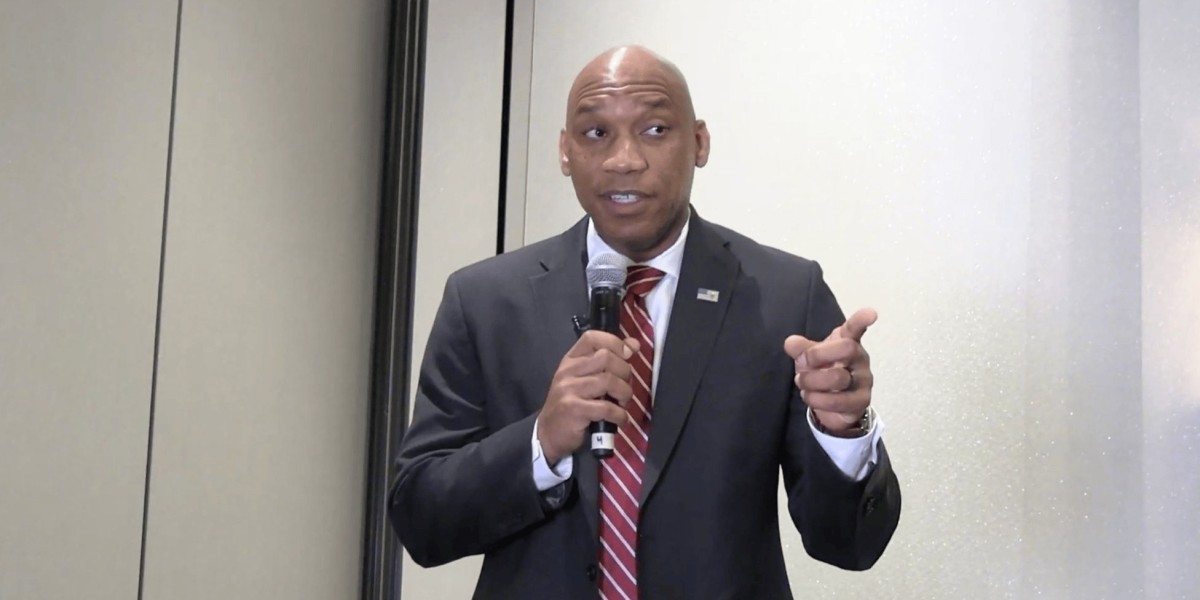
This is where Antomius Wise brings a different perspective.
As an institutional systems speaker and executive education strategist, Antomius works with executive teams, wealth-advisor networks, philanthropic organizations, universities, and other institutional audiences to examine the structures behind performance, decision-making, and long-term impact.
His keynotes, workshops, and executive programs are designed around one central objective: change how people think, not simply give them something to remember.
Leadership Requires More Than What Is Visible
Most leadership conversations focus on what can be easily identified — strategy, communication, culture, performance, and goals.
Those things matter. But they are often only part of the story.
Behind every organization are systems that determine how decisions are made, how resources move, how incentives influence behavior, and how accountability is established. Understanding those systems can give leaders a much clearer view of why certain outcomes occur and where meaningful change can actually happen.
Antomius brings these ideas into the room through practical discussion, executive education, and thought-provoking keynote experiences.
The objective isn't to overwhelm leaders with theory. It is to give them a stronger framework for interpreting the environments in which they operate.
From Insight to Better Decisions
Executive education is most valuable when it changes what leaders do after they leave the room.
Antomius' programs are built to create that transition from insight to application. Whether he is addressing a boardroom, conference audience, university program, or private executive gathering, the conversation is adapted to the needs and challenges of that particular audience.
His work explores questions such as:
- What structures are influencing the decisions we make?
- How do incentives affect organizational behavior?
- Where does accountability actually sit within an institution?
- How can leaders recognize structural risks before they become visible problems?
- What creates sustainable institutional value?
- How should leaders think about impact beyond short-term outcomes?
These questions create a deeper form of executive dialogue — one focused not simply on reacting to circumstances, but on understanding what creates them.
Four Programs Designed for High-Stakes Conversations
Antomius offers a range of keynote and executive education experiences, each built around a different dimension of leadership and institutional thinking.
Make the Invisible Visible
This signature keynote examines how incentives, structure, governance, and economic systems influence value creation, institutional growth, and long-term impact.
Rather than looking only at results, the program encourages leaders to examine the mechanisms producing those results. It offers a framework for thinking more clearly about the relationship between organizational structure and performance.
Strategic Philanthropy & Economic Impact
Philanthropy is often discussed primarily through generosity and charitable intent. This program takes the conversation further.
Strategic Philanthropy & Economic Impact explores philanthropy through the lens of governance, economic infrastructure, institutional development, and lasting value.
For foundations, philanthropic networks, advisors, and institutional leaders, the program provides an opportunity to reconsider how capital and influence can contribute to sustainable outcomes.
Leadership Inside Complex Systems
Complex environments require a different kind of leadership.
Leadership Inside Complex Systems focuses on decision-making, accountability, discipline, and structural awareness when leaders are operating under pressure and facing competing priorities.
The program is particularly relevant for organizations where decisions carry significant consequences and where simple solutions rarely address the full challenge.
From the Field to the Secret Service
Some leadership lessons come from classrooms. Others come from environments where preparation, pressure, and performance have immediate consequences.
From the Field to the Secret Service draws from Antomius Wise's unusual professional journey from professional football to the U.S. Secret Service.
The experience provides a distinctive lens on preparation, adaptability, discipline, purpose, pressure, and high performance — and how lessons from two demanding environments can translate into leadership.
Bringing Institutional Thinking Into the Room
Antomius' executive education work has included environments where leadership, governance, strategic philanthropy, and economic structure intersect.
A recent engagement at George Washington University brought these themes together in an executive education setting, creating a conversation around institutional systems and the forces that influence leadership and impact.
The format can vary considerably. A conference may call for a focused keynote that introduces a new way of thinking. An executive team may benefit from a deeper workshop. An institutional audience may require a multi-session educational experience.
The subject matter remains rigorous, but the delivery is designed around the room.
Who Benefits From This Conversation?
These programs are particularly suited to organizations and audiences dealing with complex decisions, institutional responsibility, and long-term impact.
They include:
- Executive leadership teams
- Wealth advisors and trust networks
- Chambers and civic leadership circles
- Philanthropic networks and foundations
- High-income founders and entrepreneurs
- Universities and academic convenings
- Financial services and insurance organizations
- Private executive groups
For wealth advisors and trust networks, the conversation can complement existing fiduciary relationships by giving clients broader structural context.
For executives, it can create a shared framework for examining governance, incentives, and organizational decisions.
For philanthropic leaders, it can expand the discussion from charitable activity toward institutional and economic impact.
For founders and entrepreneurs, it can provide perspective on the transition from building a company to building an institution.
The Goal Is Not Another Motivational Speech
There is a place for inspiration in leadership. But lasting leadership development requires more than motivation.
The most valuable executive conversations often leave participants with better questions, stronger frameworks, and a different way of interpreting the challenges in front of them.
That is the purpose behind Antomius Wise's work.
His engagements are designed to help leaders step back from immediate problems and examine the systems surrounding them. By understanding structure, incentives, governance, and economic forces, leaders can begin to see opportunities and risks that may otherwise remain hidden.
The result is not simply a memorable presentation. It is a new lens for thinking.
The Right Room Starts With the Right Conversation
Every organization operates within a system. Every leader makes decisions within a structure. And every long-term outcome is influenced by forces that are not always immediately visible.
Antomius Wise brings these ideas into executive rooms through keynotes, workshops, and education programs designed for serious institutional conversations.
For conference planners, program directors, executive teams, and institutional hosts, the engagement begins with understanding the audience, the challenge, and the outcome the organization wants to create.
From there, the right format can be developed — whether that means a keynote, workshop, or extended executive education program.
The objective is simple: leave the room thinking differently about what drives outcomes, how systems shape decisions, and where meaningful institutional impact begins.