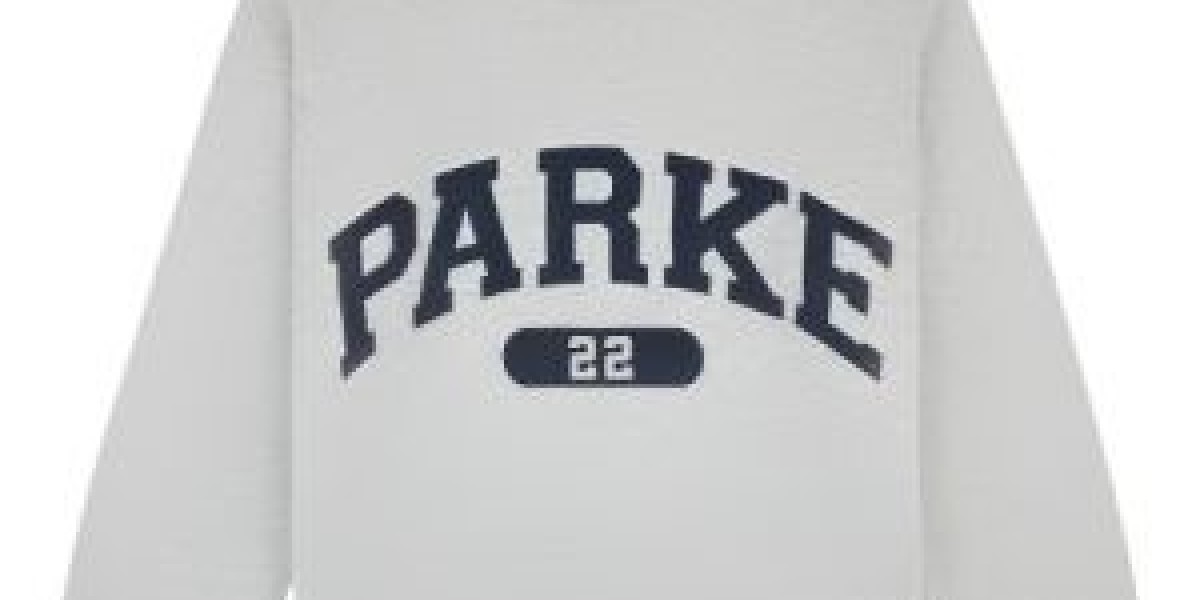

Ask ten people why their Parke sweatshirt still looks new after a year and you'll get ten different answers — thick fabric, good stitching, "it's just built better." Nobody actually knows what happens in the factory before that sweatshirt reaches a doorstep. That's the honest starting point here: Parke, like most direct-to-consumer streetwear brands, doesn't publish a lab report or a formal durability certification for its sweatshirts. What we actually have is a mix of standard industry testing methods that apparel manufacturers commonly use, and a much bigger, messier body of evidence — thousands of buyers wearing and washing the thing in real life.
The Testing Standards the Apparel Industry Actually Uses
Before getting into what's specific to Parke, it helps to know what "durability testing" even means for a garment like this, because the term gets thrown around loosely in product marketing. There's a real set of standardized methods behind it.Wash durability testing, for one, is exactly what it sounds like — fabric samples go through repeated machine wash cycles, often accelerated to simulate dozens of home parkeus.com in a fraction of the time, then get checked for shrinkage, color loss, and fabric breakdown. Colorfastness testing checks whether dye bleeds or fades under washing and light exposure. Abrasion testing, sometimes done with a Martindale tester, rubs fabric against a standard surface in controlled cycles to measure how long it takes before pilling or wear shows up. Seam and tensile strength testing pulls on stitched seams under measured force to see how much stress they can take before failing.Any brand claiming heavyweight, long-lasting construction is implicitly leaning on these kinds of standards, whether or not they run the tests themselves or rely on their fabric mill's certifications. Whether Parke conducts this testing in-house, contracts it to a third party, or relies entirely on supplier-provided fabric specs isn't something the brand has published publicly, and it's worth being upfront about that gap rather than pretending otherwise.
What Buyers Actually Report After Repeated Wear
This is where the real evidence lives, and it's more useful than a lab report would be anyway, honestly, because it reflects normal use instead of controlled conditions. Across reviews and resale listings, a consistent pattern shows up: the heavier fleece styles hold their shape well past a dozen washes, the ribbed cuffs and hem resist the loosening that cheaper sweatshirts develop early, and the mockneck collar tends to stay upright rather than folding down, assuming it was cared for correctly.Shrinkage complaints, when they show up, cluster almost entirely around the 100% cotton Heritage styles rather than the polyester-blended fleece pieces — which tracks with basic textile behavior, since pure cotton lacks the shape-retention that a polyester blend provides. That's not a flaw exactly. It's a trade-off buyers should know about before they toss a cotton piece in a hot dryer without thinking twice.
Real-World Wear Is the Closest Thing to a Test Parke Has
Every limited drop functions, in a sense, as an uncontrolled durability test running across thousands of garments simultaneously. People wear these sweatshirts constantly — TikTok is full of "one year later" and "how it's holding up" style videos, which is closer to genuine field testing than most brands get, even if nobody involved calls it that.That's a strange kind of quality control by accident. When a batch is small and heavily documented on social media, defects get noticed and talked about fast. A brand running huge, anonymous production runs can bury a bad batch in volume; a brand running limited drops with an engaged fan base mostly can't. There's a real incentive for Parke to keep construction consistent, because a viral "mine fell apart in two months" video would spread just as fast as any "worth the hype" review does.
Where the Fabric and Construction Choices Come In
Durability, at the end of the day, isn't really tested in isolation — it's built in through specific choices, and then wear either confirms or exposes them. The heavier cotton and cotton-poly blends used across Parke's fleece line resist pilling better than lighter fabrics simply because there's more fiber mass to wear through before damage shows. Double-needle stitching at stress points spreads tension across two seam lines instead of concentrating it on one, which is a construction decision, not a testing outcome, but it's the reason the garment survives repeated stress in the first place.So when someone says a sweatshirt "tested well," what they usually mean is the fabric and stitching decisions held up under normal wear — not that anyone ran it through a formal accelerated-wash protocol beforehand.
How to Run Your Own Quick Durability Check
You don't need a lab to get a decent read on a garment the moment it arrives. A few checks take under a minute and tell you more than most marketing copy will.Stretch the ribbed cuff gently and let go — it should snap back close to its original shape rather than staying loose. Tug lightly at the shoulder seam; it shouldn't pucker or gap under light pressure. Check the collar on a mockneck by pressing it down and releasing — a well-built one springs back upright almost immediately. None of this replaces months of actual wear, but it catches the obvious construction failures before you've worn the thing even once.
The Honest Bottom Line
There's no evidence Parke publishes formal, third-party durability test results the way a technical outdoor brand might cite AATCC or ISO test numbers on a spec sheet. What exists instead is a fabric-and-construction strategy — heavier cotton, double-needle stitching, reinforced stress points that's been stress-tested informally by a very large, very vocal customer base wearing these things every day. That's not the same as a lab certificate, and it shouldn't be marketed as one. But for a brand this size, real-world wear across thousands of documented purchases is arguably a more honest durability signal than a controlled lab test would ever be.