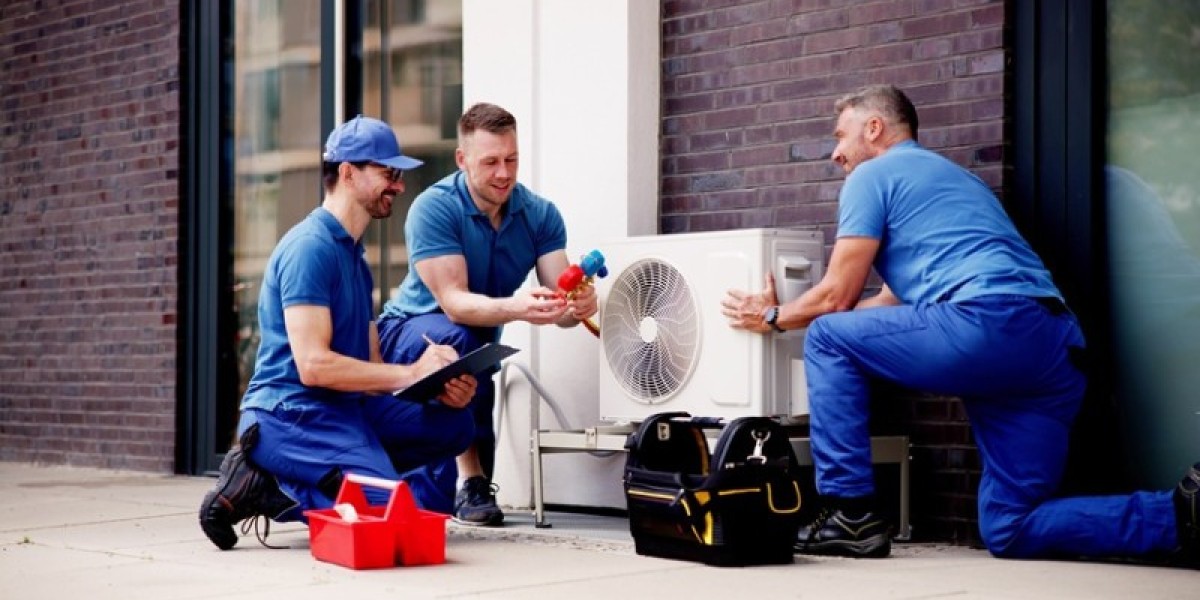

Heating and cooling systems are important for maintaining comfortable indoor temperatures throughout the year. Homes, offices, retail buildings, and other properties depend on HVAC equipment for temperature control and airflow. An HVAC contractor can provide installation, repair, replacement, and maintenance services for different types of heating and cooling systems. Understanding these services can help property owners plan HVAC work and respond to system problems.
HVAC Installation Services
A new HVAC system should be selected according to the property's size, layout, insulation, existing ductwork, and heating and cooling requirements. Equipment that is too large or too small may not operate as intended. An HVAC contractor can assess the property and help determine the type and capacity of equipment needed.
Central Air Conditioning Installation
Central air conditioning systems use indoor and outdoor components to cool a building and distribute conditioned air through ductwork. Installation may involve an outdoor condenser, indoor evaporator coil, refrigerant lines, drainage, electrical connections, and thermostat controls. An HVAC contractor in Pittsburgh can install and test the system according to the equipment requirements.
Heating System Installation
Furnaces, heat pumps, and other heating systems can provide warmth during colder weather. Installation requirements vary according to the equipment type and fuel source. Gas systems may require appropriate ventilation and combustion connections, while electric systems have different electrical requirements. An HVAC contractor can coordinate the installation based on the property's heating needs.
HVAC Repairs
Heating and cooling equipment can develop problems because of component wear, restricted airflow, electrical issues, drainage problems, or other conditions. Common signs include unusual sounds, inconsistent temperatures, weak airflow, frequent cycling, or equipment that does not start. An HVAC contractor can inspect the system and determine which components may require repair.
Air Conditioner Repairs
Air conditioners may produce warm air, make unusual noises, leak water, or struggle to reach the selected temperature. An HVAC contractor can check the system's airflow, electrical components, thermostat, drainage, and other relevant parts. The appropriate repair depends on the equipment and the underlying cause of the problem.
Furnace and Heating Repairs
Heating systems can experience problems during periods of frequent use. Weak airflow, inconsistent heating, unusual noises, and startup problems may indicate a need for inspection. An HVAC contractor can evaluate furnaces and other heating equipment to identify the source of the issue and determine the required repair.
Heat Pump Services
Heat pumps can provide heating and cooling from one system. They transfer heat between indoor and outdoor areas and can be used in many residential and commercial properties. An HVAC contractor can install, inspect, maintain, repair, and replace heat pump equipment according to the system's requirements.
Ductless HVAC Systems
Ductless mini-split systems provide heating and cooling without traditional ductwork. They can be used for individual rooms, additions, garages, and buildings where extending ducts is difficult. An HVAC contractor can install indoor air handlers, outdoor units, refrigerant lines, electrical connections, and controls for a ductless system.
HVAC Maintenance
Regular maintenance allows property owners to monitor the condition of heating and cooling equipment. Maintenance can include checking filters, inspecting electrical components, examining airflow, reviewing system operation, cleaning appropriate components, and checking drainage. An HVAC contractor can recommend maintenance intervals based on equipment type, age, usage, and manufacturer instructions.
Air Filter Replacement
Air filters help collect dust and other airborne particles before air moves through the HVAC system. A heavily loaded filter can restrict airflow and affect equipment operation. Filter replacement schedules vary depending on the filter, property conditions, pets, occupants, and system use. An HVAC contractor can inspect the filter and explain when replacement may be necessary.
Thermostat Services
Thermostats control temperature settings and communicate with heating and cooling equipment. Wiring problems, sensor issues, incorrect settings, or aging controls can affect system operation. An HVAC contractor can inspect thermostat connections and operation. A compatible programmable or smart thermostat may also be considered when replacing an older control.
Ductwork and Airflow Services
Ductwork distributes conditioned air throughout many buildings. Leaks, damaged sections, disconnected joints, and restrictions can affect airflow and temperature balance. An HVAC contractor can inspect accessible ductwork and identify areas that may need repair or adjustment. Maintaining appropriate airflow can support more consistent indoor temperatures.
Commercial HVAC Services
Commercial properties often have larger systems and more complex heating, cooling, and ventilation requirements. Offices, warehouses, retail stores, restaurants, and other facilities may use rooftop units, packaged systems, heat pumps, or central HVAC equipment. An HVAC contractor can handle commercial installation, maintenance, repair, inspection, and replacement projects.
Residential HVAC Services
Residential properties can use central air conditioners, furnaces, heat pumps, ductless systems, and other equipment. The appropriate system depends on the home's size, layout, insulation, ductwork, electrical capacity, and climate. An HVAC contractor can service existing residential equipment or help plan a new system.
HVAC System Replacement
Heating and cooling equipment eventually reaches a point where replacement may be considered. Frequent repairs, equipment age, recurring problems, major component failures, or changing property requirements can lead homeowners and businesses to evaluate replacement options. An HVAC contractor can inspect the existing system and discuss whether repair or replacement is suitable.
Emergency HVAC Repairs
HVAC problems can occur unexpectedly, especially during periods of extreme temperatures. A system may stop heating or cooling, produce unusual sounds, or fail to maintain the selected temperature. An HVAC contractor may provide emergency repair services depending on availability. Complex electrical, gas, refrigerant, and mechanical repairs should be handled using appropriate equipment and procedures.
HVAC Safety
Heating and cooling systems can contain electrical components, moving parts, refrigerant, gas connections, and combustion equipment. Attempting technical repairs without appropriate knowledge can create safety risks and potentially damage the system. An HVAC contractor can handle specialized work that requires suitable tools, testing equipment, and procedures.
Choosing an HVAC Contractor
Before scheduling HVAC work, provide information about the system type, equipment age, property size, recent maintenance, and problems you have noticed. Details such as weak airflow, unusual sounds, water leaks, or temperature changes can help describe the issue. An HVAC contractor can evaluate the equipment and determine the appropriate service.
Maintaining Your HVAC System
Regular system care can help property owners monitor heating and cooling equipment throughout the year. Replacing filters, keeping vents unobstructed, maintaining clear outdoor equipment, and addressing unusual system behavior can support routine HVAC care. An HVAC contractor can assist with installation, repairs, maintenance, inspections, and replacement for residential and commercial properties. A planned maintenance approach can help keep heating and cooling systems ready for changing seasonal demands.