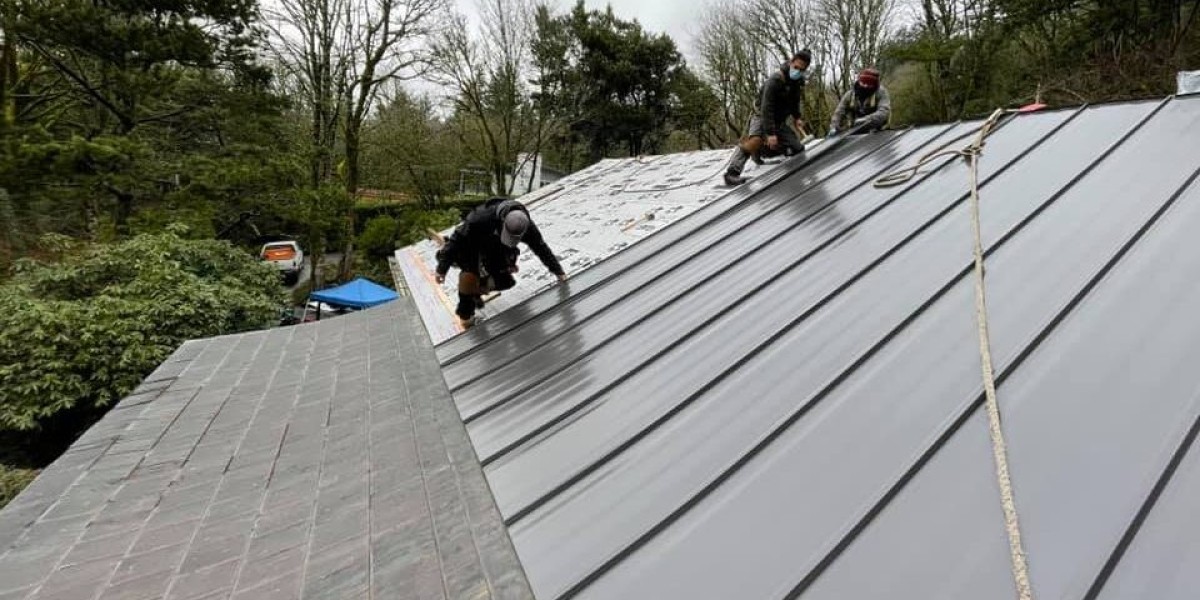
A roof protects a property from rain, wind, sunlight, snow, and other outdoor conditions throughout the year. As roofing materials age, they can develop cracks, loose sections, leaks, missing shingles, damaged flashing, and other problems. Ignoring these issues can allow water to reach ceilings, walls, insulation, and structural components. A Roofing Contractor can handle different types of roofing work, including inspections, repairs, replacements, new installations, maintenance, and storm-related damage. Before starting a project, property owners should understand the condition of the existing roof, determine the work required, choose appropriate materials, and establish a realistic budget. Good planning can make the roofing process easier to manage from the initial inspection through final installation.
Understanding Roofing Work
Roofing projects vary depending on the property's design, roof material, age, size, and condition. Asphalt shingles, metal, tile, slate, and other roofing systems require different installation and maintenance approaches. A Roofing Contractor can inspect the roof and identify visible signs of deterioration or damage. An inspection may include shingles, flashing, vents, roof edges, gutters, and areas where different surfaces meet. Understanding the condition of the entire roof is important because repairing one visible problem may not address other damaged areas. A proper evaluation can help determine whether a localized repair, larger repair, or complete replacement is appropriate.
Common Roofing Problems
Roofing problems can appear gradually or develop after severe weather. Missing shingles may expose underlying materials, while cracked shingles can allow water to enter the roofing system. Damaged flashing around chimneys, skylights, vents, and roof edges can also create leak points. Gutters that are clogged or damaged may contribute to poor water drainage. A roofing contractor in Bronx can inspect these areas and determine the cause of the problem. Homeowners should pay attention to water stains on ceilings, damp attic areas, loose roofing materials, or visible exterior damage. Early attention can help prevent minor issues from developing into more extensive repairs.
When a Roof Needs Repair
Not every damaged roof needs complete replacement. Localized problems may be addressed by replacing damaged shingles, repairing flashing, fixing vents, or correcting other small sections. The decision depends on the roof's overall age and condition. A Roofing Contractor can assess the affected area and determine whether a repair is practical. The surrounding roofing materials should also be examined because damage may extend beyond the area that is immediately visible. A properly completed repair should address the source of the problem rather than simply covering the visible symptom. This approach can help protect the property from additional water intrusion.
Dealing With Roof Leaks
Roof leaks should be addressed as soon as they are discovered. Water may enter through a small opening and travel along roofing layers, framing, or other surfaces before appearing as a ceiling stain inside the home. Because of this, the location of the interior stain may not match the exact location of the roof problem. A Roofing Contractor can inspect the roof and search for possible entry points. Repairing the ceiling without fixing the roof can allow water to continue entering the property. Once the source is corrected, affected interior materials can be evaluated for additional damage.
Storm Damage Assessment
Strong winds, hail, heavy rain, and falling branches can cause sudden roofing damage. Shingles may become loose or disappear, flashing can be bent, and roof surfaces may develop cracks or punctures. After a severe storm, homeowners should look for visible damage from a safe location rather than climbing onto the roof themselves. A Roofing Contractor can inspect the roof and identify areas that may require repair or replacement. Property owners should also document visible storm damage with photographs when appropriate, particularly if they plan to contact their insurance company. Prompt inspection can help prevent temporary damage from becoming a larger moisture problem.
Choosing Roofing Materials
Roofing materials affect appearance, durability, maintenance, installation requirements, and cost. Asphalt shingles are widely used for residential properties, while metal, tile, slate, and other systems may be suitable for different designs and building requirements. Climate can also influence material selection because roofing systems must withstand local weather conditions. A Roofing Contractor can explain the differences between available materials and how they may work with the existing roof structure. Homeowners should consider long-term maintenance and expected performance rather than selecting materials based only on appearance. The right choice should fit the property's design, structure, and budget.
Understanding Roof Replacement
A roof may eventually reach a point where replacement becomes more practical than repeated repairs. Widespread deterioration, frequent leaks, extensive storm damage, aging materials, or problems throughout multiple sections can indicate that a larger project is needed. A Roofing Contractor can evaluate the roof's overall condition and explain the available options. Roof replacement typically involves removing existing materials, inspecting the underlying surface, making necessary repairs, installing new roofing components, and completing flashing and edge details. Homeowners should understand the project scope and expected timeline before work begins. Proper preparation can help reduce surprises during installation.
The Importance of Roof Ventilation
Roof ventilation plays an important role in managing heat and moisture in attic spaces. Poor airflow can contribute to condensation and excessive heat, which may affect insulation, wood components, and roofing materials. During a Roofing Contractor inspection, attic ventilation may be reviewed along with the roof surface and other components. Vents should work with the overall roof design to allow appropriate airflow. Homeowners should also look for signs of moisture, condensation, or unusual heat in attic areas. Addressing ventilation concerns during a roofing project can help support the condition of the roof and the space beneath it.
Maintaining Gutters and Drainage
Gutters and downspouts help direct rainwater away from the roof and foundation. Leaves, branches, dirt, and other debris can block water flow, causing overflow during heavy rain. Damaged or poorly positioned gutters may allow water to run down exterior walls or collect near the foundation. A professional roofing service in Bronx may inspect gutters and drainage components while evaluating the roofing system. Regular cleaning and maintenance can help keep rainwater moving away from vulnerable areas. Proper drainage is particularly important after roof replacement because new roofing materials still depend on an effective system for managing rainfall.
Planning Your Roofing Budget
Roofing costs vary based on the size of the roof, material, design, labor, existing damage, removal requirements, and additional repairs. Property owners should request a detailed estimate that explains the scope of work and materials being proposed. A Roofing Contractor can discuss the different parts of the project and explain how material choices may affect the overall cost. Homeowners should also consider possible repairs beneath the existing roofing because damaged decking or other components may not become visible until old materials are removed. Setting a realistic budget with some flexibility can make the project easier to manage.
Preparing for a Roofing Project
Before roofing work begins, property owners should understand the schedule, materials, project scope, payment terms, and expected cleanup process. Outdoor furniture, vehicles, and other items may need to be moved away from the work area. Children and pets should also be kept away from active construction zones. A Roofing Contractor can explain what homeowners should expect during installation and what areas of the property may be affected. Clear communication before work begins can reduce confusion and help the project proceed in an organized manner. After completion, the roof should be reviewed for unfinished areas, debris, and other concerns.
Protecting Your Property With the Right Roofing Plan
A strong roofing system requires proper materials, installation, maintenance, and timely attention to damage. Whether a property needs a small repair, storm damage correction, or a complete replacement, understanding the roof's current condition is the first step. A Roofing Contractor can help property owners evaluate roofing problems, select suitable materials, coordinate repairs, and plan larger projects when necessary. Regular inspections and gutter maintenance can also help protect the roof over time. With careful planning, clear communication, and appropriate roofing work, property owners can maintain a roof that protects the building and supports the comfort of everyone inside.