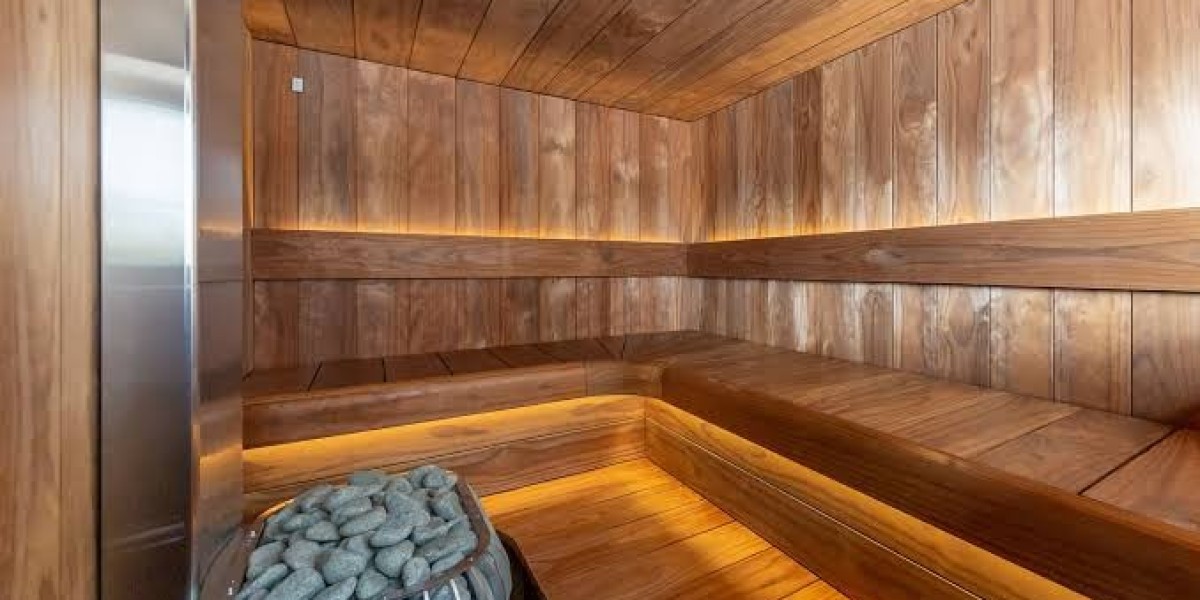
Why Does Sauna Material Matter?
Choosing the best material for sauna construction is important because the wood needs to handle high temperatures, moisture, and repeated heating and cooling. The right material can improve the sauna's appearance, comfort, durability, and overall performance. Sauna wood should also have low resin content and should not become excessively hot when exposed to high temperatures, particularly when used for benches and interior surfaces. While several types of wood are suitable for sauna construction, the best choice depends on whether you are building an indoor sauna, outdoor sauna, or barrel-style sauna, as well as your preferred appearance and budget.
Is Cedar the Best Material for a Sauna?
When homeowners ask about the best material for sauna interiors, cedar is one of the most popular choices. Cedar has a natural appearance and is commonly used for sauna walls, ceilings, benches, and other interior elements. Canadian Cedar Sauna designs are especially attractive for homeowners who want a warm, natural look that complements an outdoor wellness space. Cedar is also known for its durability and suitability for environments where heat and moisture are present. However, the quality and grade of the wood are still important, so homeowners should choose properly prepared sauna-grade material rather than simply selecting any type of cedar lumber.
What Other Woods Can Be Used for a Sauna?
Cedar is not the only option when choosing the best material for sauna construction. Aspen, hemlock, spruce, and other suitable sauna woods can also be used depending on the design and desired appearance. Aspen is often appreciated for its light color and smooth appearance, while hemlock provides a clean, understated look. Spruce can be another practical option for certain sauna projects. Each wood has different characteristics in terms of appearance, availability, durability, and cost, so homeowners should compare the materials based on their specific project rather than assuming there is one perfect wood for every sauna.
What Is the Best Material for Sauna Benches?
Sauna benches require particularly careful material selection because users sit or lie directly on them while the sauna is hot. A good bench material should remain comfortable when exposed to high temperatures and should have a smooth, splinter-free finish. Cedar, aspen, and other suitable sauna woods are commonly considered for bench construction. The boards should be properly finished and installed with appropriate spacing to support airflow and drying. Avoid using materials that can become excessively hot, release unwanted substances, or are not designed for sauna environments. Quality benches can make a significant difference to overall comfort during sauna sessions.
How Do You Choose the Right Material for Your Sauna?
The best material for sauna construction ultimately depends on the sauna's location, design, heating system, budget, and desired appearance. For an outdoor sauna, homeowners should consider not only the interior wood but also the exterior cladding, insulation, weather protection, roof, foundation, and ventilation. The material should work together with the Sauna Heaters system and overall construction to create a safe and comfortable environment. Regular maintenance is also important regardless of the wood selected. Chinook Hot Tubs and Saunas offers quality sauna products, heaters, accessories, and wellness solutions to help homeowners choose materials and equipment suited to their sauna space.
Why Is Cedar a Popular Sauna Material?
When choosing the best material for sauna construction, cedar is one of the first options many homeowners consider. Cedar provides a warm, natural appearance that works particularly well with both indoor and outdoor sauna designs. It is also commonly used for sauna walls, ceilings, benches, and trim because it performs well in a heated environment when properly selected and installed. Canadian Cedar Sauna designs can create a traditional and attractive appearance while blending naturally with outdoor landscaping. However, the quality, grade, and preparation of the wood are just as important as the species itself, so sauna-grade materials should always be selected for the project.
Is Aspen a Good Material for Sauna Benches?
Aspen can be an excellent choice when selecting the best material for sauna benches because of its light appearance and smooth texture. It is commonly appreciated for creating a clean and bright interior while providing a comfortable surface for sitting. Bench wood should be carefully sanded and finished so it remains smooth and free from splinters. The material should also be suitable for high-temperature environments and should not become uncomfortably hot during normal sauna use. Aspen can therefore be a practical alternative for homeowners who want a lighter-colored interior instead of the deeper tones commonly associated with cedar.
What Should You Use for Outdoor Sauna Construction?
For an outdoor sauna, selecting the best material for sauna construction involves more than choosing the interior wood. The exterior needs to withstand rain, snow, sunlight, temperature changes, and moisture throughout the year. Durable exterior siding, proper insulation, weather protection, roofing, and a suitable foundation all contribute to the longevity of the structure. Cedar can be an attractive option for exterior applications, but the complete construction system should be designed to protect the sauna from the local climate. Proper sealing, drainage, and ventilation are also important when building an outdoor sauna that will be used throughout the year.
Does Sauna Wood Need Special Treatment?
Sauna wood requires careful preparation because the interior is exposed to high temperatures and changing humidity. Avoid using ordinary paints, finishes, or treatments inside the sauna unless they are specifically approved for sauna environments. The material should be clean, properly dried, and suitable for the intended application. Benches and frequently touched surfaces should receive particular attention because they come into direct contact with users. Following the wood supplier's and sauna manufacturer's recommendations can help preserve the appearance and performance of the material while avoiding products that may be unsuitable for high-temperature interiors.
How Do You Choose the Best Material for Your Sauna Project?
The best material for sauna construction depends on the location, budget, design, heating system, and appearance you want to achieve. Cedar can provide a classic natural look, while lighter woods such as aspen or hemlock can create a brighter and more modern interior. You should also consider the material used for benches, walls, ceilings, doors, and exterior surfaces rather than selecting one wood for every part of the sauna. Proper insulation and compatible Sauna Heaters are equally important for overall performance. Chinook Hot Tubs and Saunas offers quality sauna products, heaters, accessories, and wellness solutions to help homeowners create a comfortable and durable sauna space.