What Is Masonry?
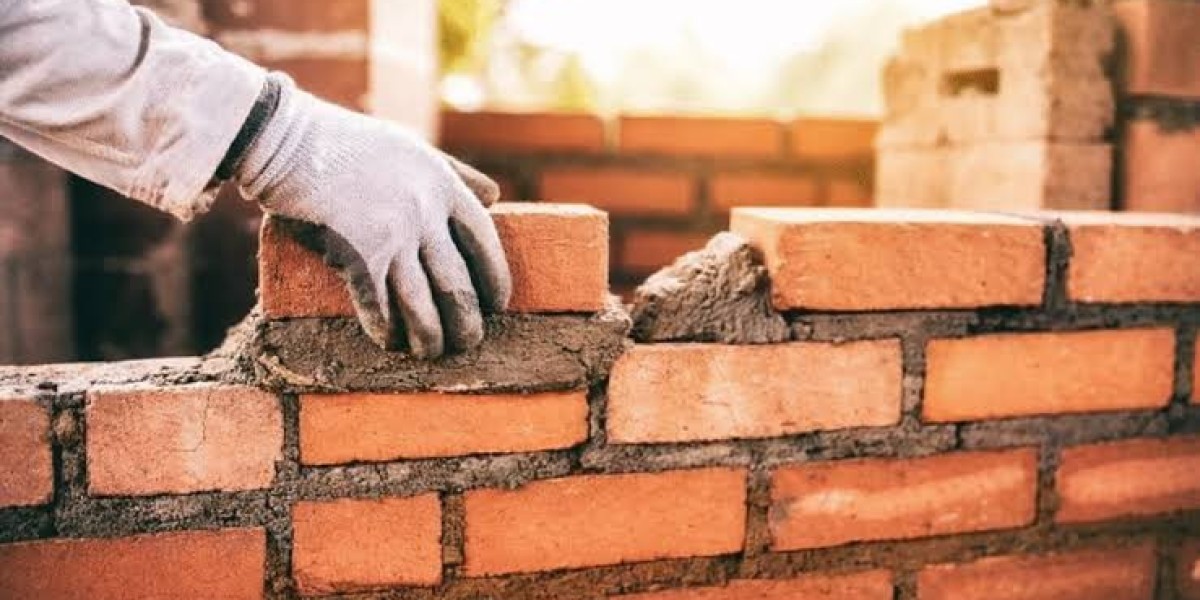
What Is Masonry is a common question for homeowners, builders, and property owners who want to understand how brick, stone, concrete blocks, and similar materials are used in construction. Masonry refers to building structures by arranging individual units such as bricks, blocks, or stones and joining them with mortar or another suitable bonding material. Masonry can be used for walls, foundations, chimneys, retaining walls, patios, walkways, fireplaces, and many other structures. It is valued for its strength, durability, appearance, and ability to withstand outdoor conditions. Modern masonry combines traditional construction techniques with updated materials and installation methods to create structures that can provide reliable performance for many years.
Why Is Masonry Important in Construction?
Masonry is important because it provides both structural and visual benefits to buildings and outdoor spaces. Properly constructed masonry can resist normal weather exposure, provide stability, and contribute to the overall appearance of a property. Brick and stone can also complement different architectural styles, from traditional homes to modern properties. Masonry is commonly used where strength and durability are important, including exterior walls, chimneys, retaining structures, foundations, patios, and walkways. The performance of masonry depends on appropriate materials, proper installation, suitable drainage, and regular maintenance. Understanding What Is Masonry helps property owners recognize why these structures require careful construction and timely repair when damage appears.
What Materials Are Used in Masonry Construction?
Masonry construction can use a variety of materials depending on the purpose of the structure and the desired appearance. Common masonry materials include clay bricks, concrete blocks, natural stone, manufactured stone, and concrete masonry units. Bricks are popular for walls, facades, chimneys, and decorative features because they provide a classic appearance. Concrete blocks are commonly used where strength and practical construction are important. Natural stone can provide a distinctive appearance and is often used for walls, patios, retaining structures, and landscaping features. The selected material should be appropriate for the project, climate, structural requirements, and surrounding design.
What Is Brick Masonry?
Brick masonry is a construction method in which individual bricks are arranged in specific patterns and joined using mortar. Bricks have been used in construction for centuries because they can provide durability, fire resistance, and an attractive appearance. Brick walls can be constructed in different bond patterns depending on structural and visual requirements. Proper mortar selection is important because the mortar must work appropriately with the brick and environmental conditions. Over time, brick masonry can develop damaged bricks, cracked joints, or moisture-related problems. Regular inspections can help identify deterioration before it affects larger areas of the wall.
What Is Stone Masonry?
Stone masonry involves constructing structures with natural or manufactured stone units. Natural stone can provide a distinctive appearance because each piece may have its own color, texture, and shape. Stone masonry can be used for retaining walls, exterior walls, foundations, patios, walkways, fireplaces, and landscape structures. Different installation methods may be used depending on the type of stone and whether the structure is structural or primarily decorative. Proper drainage is particularly important for retaining walls and other structures exposed to soil pressure. When properly designed and installed, stone masonry can create durable and visually appealing features that complement many types of properties.
What Is Concrete Block Masonry?
Concrete block masonry uses concrete masonry units to construct walls and other structures. Concrete blocks are commonly used because they are consistent in size, relatively efficient to install, and suitable for many structural applications. They can be used for foundations, retaining walls, utility structures, garages, and other construction projects. Depending on the design, reinforcement and additional materials may be incorporated to increase structural performance. Concrete block walls can also be finished with stucco, paint, stone veneer, or other materials. Proper installation and moisture management are important to prevent cracking, water intrusion, and long-term deterioration.
What Is Mortar in Masonry?
Mortar is the material used to join masonry units such as bricks, blocks, and stones. It fills the spaces between individual units and helps create a stable masonry assembly. Mortar also plays an important role in allowing certain types of movement and helping manage moisture within the wall system. The composition and strength of mortar should be appropriate for the masonry units being used. Using mortar that is too hard or otherwise incompatible can sometimes damage softer masonry materials. This is particularly important when repairing older brick structures. Proper mortar selection is therefore an important part of understanding What Is Masonry and how masonry systems perform over time.
What Are the Main Types of Masonry?
Masonry can be broadly divided into several types, including brick masonry, stone masonry, concrete block masonry, and reinforced masonry. Different techniques can also be used depending on whether the wall is load-bearing, non-load-bearing, decorative, or designed to retain soil. Reinforced masonry may incorporate steel reinforcement and grout to improve structural performance. Veneer masonry can provide the appearance of brick or stone while serving primarily as an exterior finish rather than the primary structural wall. Each type has different installation requirements and applications. Selecting the right masonry system depends on the property's design, structural needs, environmental conditions, and desired appearance.
What Is Load-Bearing Masonry?
Load-bearing masonry is designed to support structural loads from parts of a building above it. These walls may carry the weight of floors, roofs, or other structural components and therefore require careful engineering and construction. The masonry units, mortar, wall thickness, reinforcement, foundation, and connections all contribute to the structure's performance. Damage to load-bearing masonry should be taken seriously because cracks, movement, or deterioration may affect the structural integrity of the building. Homeowners should not assume that a large crack in a masonry wall is merely cosmetic. Professional evaluation may be necessary to determine the cause and appropriate repair method.
What Is Non-Load-Bearing Masonry?
Non-load-bearing masonry does not primarily support the structural weight of the building but may still provide important functions such as weather protection, insulation support, privacy, or visual appeal. Brick veneer is a common example of masonry that can serve as an exterior finish. Non-load-bearing masonry can still experience cracking, moisture problems, loose units, and deteriorating mortar. Although these issues may not always threaten the main structure, they should be repaired appropriately to prevent water intrusion and further deterioration. Proper flashing, drainage, movement joints, and installation details can help non-load-bearing masonry perform effectively.
What Are the Benefits of Masonry Construction?
Masonry offers several benefits that make it popular for both residential and commercial construction. Properly installed masonry can provide durability, resistance to weather exposure, fire resistance, sound reduction, and strong visual appeal. Brick and stone can also add character and value to a property. Masonry structures can often remain functional for decades when they are properly designed and maintained. Another benefit is the wide range of materials, textures, patterns, and colors available. Homeowners can use masonry to create practical structures while also improving the appearance of their property through coordinated walls, patios, walkways, fireplaces, and other features.
Can Masonry Improve a Home's Curb Appeal?
Masonry can have a significant effect on curb appeal because brick, stone, and concrete features can create a polished and permanent appearance. A well-designed walkway can improve the entrance to a home, while a brick or stone patio can create an attractive outdoor living area. Masonry walls can provide privacy or define landscaping areas, and decorative stone can complement driveways and other hardscape features. The key is to choose materials and designs that coordinate with the architecture of the property. Poorly maintained masonry, on the other hand, can reduce curb appeal. Cracked bricks, stained surfaces, and deteriorating mortar can make a property appear older than it is.
What Causes Masonry to Crack?
Masonry can crack because of foundation settlement, soil movement, temperature changes, moisture, poor drainage, improper installation, tree roots, or structural movement. Not every crack has the same meaning, which is why its location, size, direction, and pattern should be considered. Small cracks may sometimes result from normal aging or minor movement, while large or rapidly expanding cracks can indicate a more serious problem. Water can also enter cracks and contribute to deterioration, especially when temperatures fluctuate. Homeowners should monitor masonry for changes and seek professional advice when cracks become significant, recur after repair, or appear alongside leaning walls or other signs of movement.
How Does Water Affect Masonry?
Water is one of the most common causes of masonry deterioration. Rainwater can enter cracks, mortar joints, porous masonry units, and other openings. If drainage is poor, water may remain against a wall or accumulate near its foundation. In colder climates, water that enters masonry can freeze and expand, increasing pressure within the material. Repeated wetting and drying can also contribute to surface deterioration and mortar damage. Proper flashing, coping, gutters, downspouts, grading, and drainage systems can help control water exposure. Protecting masonry from unnecessary moisture is an important part of long-term maintenance.
How Is Damaged Masonry Repaired?
Masonry repair methods depend on the type and severity of the damage. Minor mortar deterioration may be addressed through repointing, while severely damaged bricks or blocks may need to be removed and replaced. Cracks may require specialized repair depending on their cause and location. A leaning wall may require stabilization or rebuilding rather than a simple surface repair. Water-related problems should also be addressed at their source so the damage does not return. Professional masonry contractors can inspect the structure and determine whether repair, partial rebuilding, reinforcement, or another solution is appropriate. Proper repair should restore both the function and appearance of the masonry.
What Is Repointing in Masonry?
Repointing is the process of removing deteriorated mortar from masonry joints and replacing it with new compatible mortar. It is commonly used on brick and stone walls where the masonry units remain generally sound but the joints have deteriorated. Proper repointing involves carefully removing damaged material, cleaning the joints, installing compatible mortar, and finishing the joints appropriately. The mortar should not simply be selected based on strength because compatibility with the existing masonry is important. Repointing can improve weather resistance, appearance, and the overall condition of a masonry wall when performed correctly.
How Can Masonry Be Maintained?
Regular masonry maintenance includes inspecting walls, chimneys, patios, walkways, retaining walls, and other structures for cracks, loose units, deteriorating mortar, stains, and water-related problems. Gutters and downspouts should remain clear so rainwater does not repeatedly flow over masonry surfaces. Vegetation should also be controlled because roots and climbing plants can hide damage or contribute to movement. Small problems should be addressed before they spread across larger areas. Cleaning should be performed using methods appropriate for the masonry material because aggressive cleaning can damage brick, stone, or mortar. Consistent maintenance can help extend the life of masonry and preserve its appearance.
When Should You Call a Masonry Contractor?
A masonry contractor should be considered when walls show significant cracking, loose bricks, deteriorating mortar, water intrusion, leaning, settlement, or other signs of structural or extensive damage. Professional help is also useful when building or renovating patios, walkways, retaining walls, chimneys, brickwork, or stone features. Masonry construction requires knowledge of material compatibility, drainage, structural support, joint design, and weather exposure. Attempting a complex repair without understanding the cause can sometimes make the problem worse. An experienced contractor can inspect the condition, explain available options, and recommend a repair or construction method appropriate for the property.
Why Is Proper Masonry Installation Important?
Proper installation is essential because masonry performance depends on much more than the individual brick, block, or stone. The foundation, base, mortar, drainage, flashing, joints, alignment, and surrounding conditions all affect the finished structure. Poorly prepared ground can cause settlement, while improper drainage can expose the masonry to excessive moisture. Incorrect mortar can damage masonry units over time, and poor joint installation can create pathways for water. Professional workmanship helps ensure that each part of the masonry system works together. Investing in quality installation can reduce future repairs and help the structure remain attractive and functional for many years.
Why Choose Promaster Maintenance Corp Paving and Masonry?
Understanding What Is Masonry helps homeowners recognize the importance of brick, stone, concrete block, mortar, drainage, installation, and maintenance in creating durable property features. Masonry can provide strength, protection, long-term value, and visual appeal when it is properly designed and maintained. Promaster Maintenance Corp Paving and Masonry provides professional paving and masonry solutions for homeowners looking to improve walls, patios, walkways, driveways, chimneys, and other exterior areas. NY Masonry & Paving also represents professional paving and masonry services for residential properties. Whether your project involves new masonry construction, repointing, brick replacement, stonework, or masonry repair, choosing experienced professionals can help ensure durable results and a finished appearance that complements your property.