Path of Exile 2 has just received a technical update aimed at two problems that have been wearing players down: slow shader preparation and sudden "Device Removed" crashes. This isn't a content patch with a new league or a fresh set of skills. It's the sort of work you notice during a normal evening session, when a zone opens without a long pause or a demanding fight doesn't throw you back to the desktop. For anyone building up POE 2 Currency through maps and boss runs, that extra reliability can make a real difference.
Why Shader Preparation Felt So Rough
Many players will recognise the pattern. You enter a new area, the game appears to settle, and then the first pack of monsters arrives with a burst of stutter. A strong visual effect plays and the frame rate dips again. Sometimes the loading screen itself seems to take far too long. The issue was linked to how the client prepared and reused shader data, especially when several effects appeared for the first time. The new work reduces unnecessary preparation and improves the way that information is stored for later use. You may still see a short pause on an early visit to a zone, but repeated trips should feel less disruptive. That matters in Path of Exile 2 because a tiny delay during a dangerous pull can be enough to miss a movement cue or lose control of a fight.
Addressing Device Removed Errors
The other major target is the "Device Removed" message, which has caused the game to close without much warning. In practical terms, the client loses contact with the graphics card while rendering a demanding scene. DirectX 12 users have reported the problem most often, though driver behaviour, memory pressure, and individual hardware setups can all play a part. Busy encounters made the situation worse. A large monster group, several overlapping skills, and a boss arena filled with effects could push the system into an unstable state. The update tightens graphics resource handling and improves communication between the game and the GPU. It won't remove every possible hardware-related failure, but it should reduce the number of sessions cut short for reasons that have nothing to do with how well someone is playing.
What You May Notice in Endgame Content
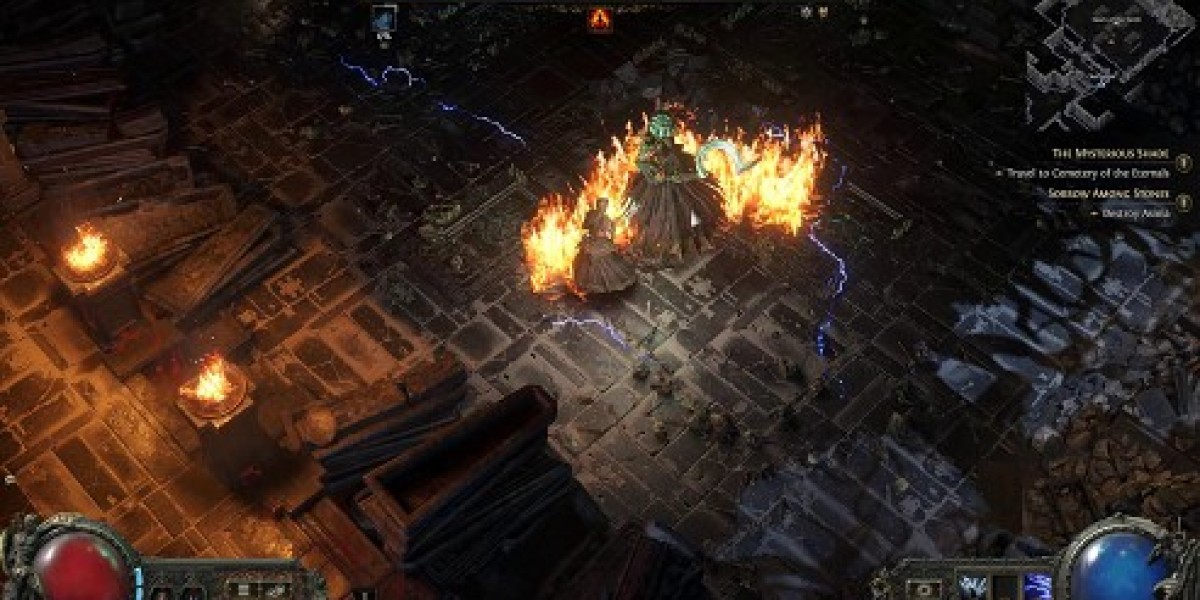
The clearest improvements are likely to appear in high-density maps rather than quiet towns. When many enemies arrive together, the client has to handle animation, lighting, sound triggers, particles, and terrain details at the same time. Before this update, some systems felt fine for several minutes and then began to hitch once a map became crowded. The revised rendering process should make those spikes less severe. Boss encounters may also feel steadier, particularly when several large effects overlap. It's worth keeping expectations realistic, though. A modest graphics card won't suddenly perform like a high-end model, and very high settings can still expose hardware limits. What should improve is consistency: fewer sudden drops, less waiting when entering unfamiliar areas, and a lower chance that a long session ends during the most valuable part of a run.
Small Steps That Can Help
After installing the update, give the game a clean restart instead of jumping straight back into a map. Make sure the graphics driver is current, too. On the first launch, shader preparation may take a little time, so let it finish rather than closing the client halfway through. If performance remains unusual, checking the game files is sensible. Players using DirectX 12 can also compare results with another rendering option if their system still struggles. Keep an eye on temperatures and memory use during longer sessions; a setting that works in a small area may behave differently in a packed expedition or a pinnacle arena. It's also worth noting when the issue occurs. A short record of the zone, rendering mode, driver version, and graphics settings can make future support reports far more useful.
Final Thoughts
This update focuses on the unglamorous side of Path of Exile 2, but that doesn't make it minor. Faster shader preparation can make new areas feel ready sooner, while improved GPU handling should give demanding fights a steadier foundation. Players who spend hours mapping, testing builds, or collecting rare equipment will feel the benefit most clearly over time. A stable client also makes POE 2 Currency Orbs farming less stressful, since progress is less likely to disappear behind a loading screen or an unexpected desktop return. More technical work will still be needed as the game grows, yet this patch moves the experience in the right direction.