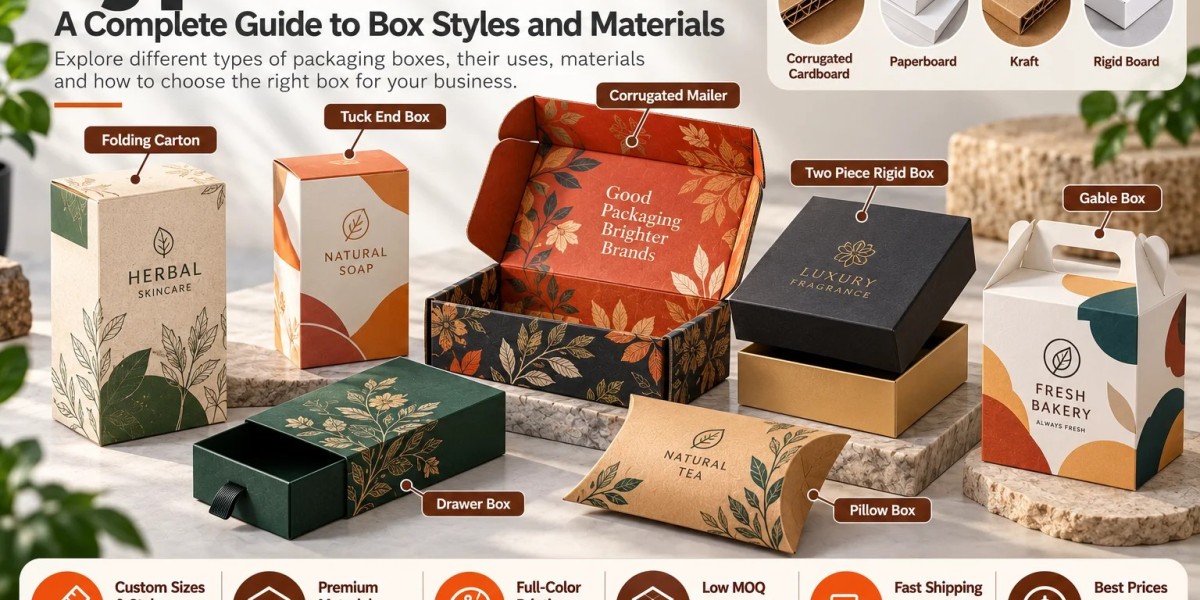

Have you ever purchased a product simply because its packaging caught your attention? This happens more often than businesses realize. Before customers experience a product, they usually notice its appearance, presentation, and packaging. A well-designed package can create curiosity, communicate quality, and influence purchasing decisions.
Today, packaging is much more than a protective covering. It plays an important role in product marketing, customer satisfaction, brand recognition, and even repeat purchases. Whether a business sells snacks, beverages, cosmetics, specialty coffee, or luxury gifts, choosing the right packaging can make a meaningful difference.
However, not every packaging style works for every product. Some items require flexible pouches, others need protective boxes, and certain products benefit from packaging that makes storage and everyday use easier.
Let's explore how businesses can make better packaging decisions and create experiences that customers remember.
1. Why Packaging Matters in Modern Business
Packaging is often the first physical interaction customers have with a brand. When a customer receives an order or picks up a product from a retail shelf, its packaging immediately communicates something about the business.
Good packaging should balance appearance, functionality, and product protection.
For example, a snack company needs packaging that helps maintain product quality, while a luxury gift business may prioritize presentation and an attractive unboxing experience.
Businesses should consider several important factors:
Visual appeal: Attractive designs help products stand out.
Product protection: Suitable materials help protect products during handling and transportation.
Convenience: Easy-to-use packaging improves the customer experience.
Brand recognition: Consistent colors, logos, and printing help customers identify a business.
Practicality: Appropriate sizes and structures can make storage and distribution easier.
When these elements work together, packaging becomes a useful part of the overall product experience.
2. Flexible Pouches Make Food Packaging More Practical
Food businesses face different packaging challenges depending on their products. Snacks, popcorn, coffee, sauces, and other food items may require different materials, closures, and packaging structures.
Flexible packaging is popular because it can offer convenient storage, customizable printing, and different sizes for various products.
For example, popcorn manufacturers need packaging that presents their products attractively while helping protect them from external conditions. Custom popcorn pouches can provide a practical packaging option for snack brands, retailers, and food businesses.
Similarly, beverage and liquid-product manufacturers may need packaging that makes pouring and handling easier. Stand-up pouches with spout are designed with a convenient dispensing feature and a bottom structure that allows the package to stand upright.
These packaging options can be useful for:
Juice and beverage products.
Sauces and liquid food products.
Snack and confectionery brands.
Specialty food businesses.
Retail and eCommerce packaging.
The best choice depends on the product's consistency, storage requirements, filling process, and transportation conditions.
3. Sustainable Packaging Is Becoming a Business Priority
Environmental considerations are influencing packaging decisions across many industries. Businesses are increasingly evaluating material choices, packaging waste, and how their products can be presented more responsibly.
One option worth exploring is compostable stand-up pouches.
These pouches may be suitable for brands looking for packaging designed around compostability requirements. However, businesses should always check the actual material composition, certification, and appropriate disposal conditions before making environmental claims.
A responsible packaging strategy should consider:
Material composition.
Product shelf-life requirements.
Barrier protection.
Packaging weight and size.
Local recycling or composting facilities.
Customer disposal instructions.
Choosing sustainable packaging is not simply about following a trend. It requires selecting materials that meet the product's practical needs while supporting the company's environmental objectives.
4. Protective Packaging Helps Maintain Product Quality
A product may look excellent when it leaves the manufacturing facility, but poor packaging can create problems during storage, shipping, and handling.
Moisture, oxygen, light, and physical damage can affect different products in different ways. This is why businesses should select packaging according to their products' specific requirements.
For certain specialty products, sealed foil packaging can provide useful barrier properties when the material structure and seals are properly selected.
For example, backwoods sealed foil pouches represent a specialized pouch format that businesses can explore when evaluating protective flexible packaging.
Coffee brands also need to consider packaging carefully. Specialty products such as mushroom coffee require attention to product freshness, storage, and presentation. Suitable mushroom coffee packaging can help businesses create a consistent appearance while considering the product's packaging and barrier requirements.
Before choosing a packaging format, manufacturers should evaluate the product's sensitivity, expected storage period, filling process, and distribution conditions.
5. Premium Packaging Creates a Memorable Unboxing Experience
Not every packaging decision is about shipping protection or product storage. Sometimes, presentation is equally important.
Luxury gifts, corporate presents, cosmetics, and special occasion products often benefit from packaging that creates a more memorable experience.
For these businesses, magnetic gift boxes can offer an elegant presentation with a convenient magnetic closure.
These boxes are particularly useful for:
Corporate gift collections.
Premium skincare products.
Jewelry and accessories.
Luxury candles and fragrances.
Special event and promotional gifts.
Businesses can further customize their boxes through branded printing, suitable finishes, and interior arrangements.
A thoughtful unboxing experience can encourage customers to share their purchases with others, helping businesses increase brand exposure through genuine customer interactions.
6. Custom Labels Help Products Stand Out on Retail Shelves
Packaging design does not end with selecting a box or pouch. Labels and printed graphics also influence how customers recognize products.
A well-designed label communicates important product information while maintaining a consistent brand identity.
One option businesses can consider is shrink sleeve labels.
Shrink sleeves can cover a large portion of a container's surface, providing space for branding, product details, and attractive graphics. They can be useful for products that require a more customized appearance.
When designing product labels, businesses should focus on:
Readable product information.
Clear brand logos.
Consistent typography.
Appropriate colors and graphics.
Required regulatory information.
A design that fits the container properly.
The goal is to make products recognizable without overcrowding the packaging with unnecessary information.
7. How to Choose the Right Packaging for Your Business
Selecting packaging can feel complicated when several materials, structures, and customization options are available.
Instead of choosing a design based only on appearance, businesses should follow a practical evaluation process.
Understand your product: Consider its weight, size, sensitivity, and storage requirements.
Identify your target customers: Think about whether your customers prioritize convenience, premium presentation, sustainability, or affordability.
Select suitable materials: Choose packaging materials according to the product's protection and storage needs.
Consider customization: Decide whether you need custom printing, special finishes, specific dimensions, or additional closures.
Evaluate your budget: Compare production costs, order quantities, shipping requirements, and long-term packaging needs.
It is also helpful to request packaging samples before approving a large order. Testing the packaging with the actual product can reveal issues with dimensions, usability, sealing, and presentation.
Final Thoughts
Packaging is an important part of how customers experience a product and remember a brand. From convenient food pouches and protective foil packaging to premium gift boxes and customized labels, every packaging choice should serve a clear purpose.
Businesses that understand their product requirements and customer expectations can make better packaging decisions, improve presentation, and create a more consistent brand experience.
If you are planning to upgrade your packaging, explore the solutions available at Hale Path Packaging. Whether you need flexible pouches, specialty product packaging, premium gift boxes, or customized labeling solutions, the right packaging design can help your business make a stronger impression.
Ready to improve your product packaging? Visit Hale Path Packaging to explore packaging options and request a custom quote for your next project.