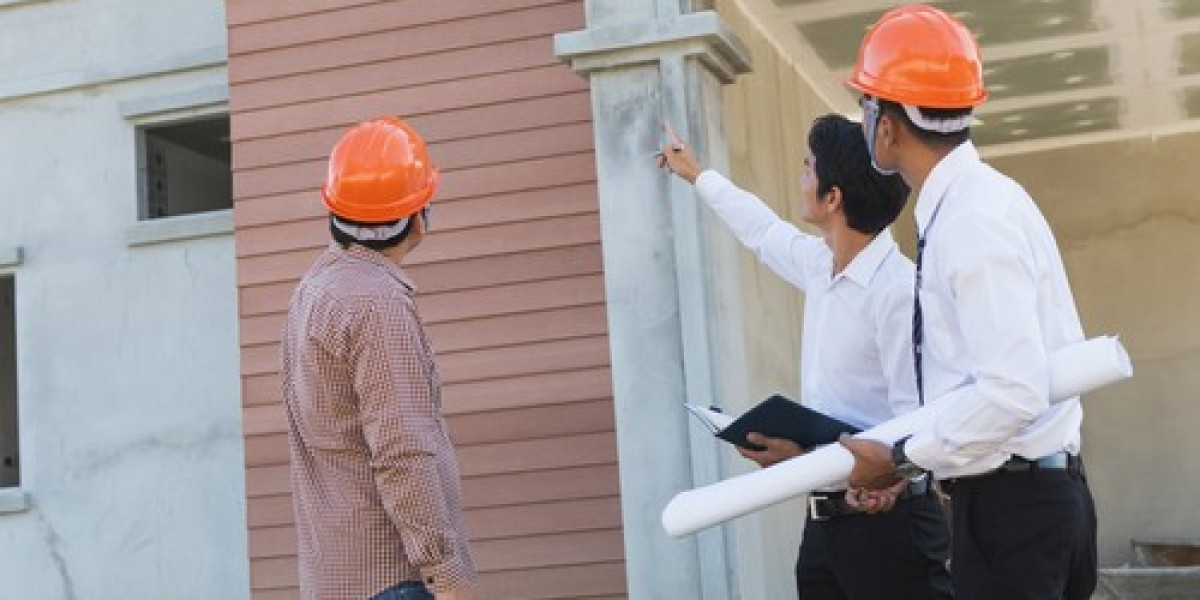
Commercial properties require careful management because they represent significant financial investments. Whether the building is purchased for business operations, rental income, or long-term growth, understanding its condition is extremely important. Many structural and mechanical problems remain hidden until they become expensive repairs. A professional property evaluation provides detailed information about the building's condition, helping owners, buyers, and investors make informed decisions while reducing unexpected financial risks.
What a Professional Property Evaluation Includes
A commercial property inspection involves a detailed review of the building's accessible systems and structural components. Inspectors examine the roof, foundation, walls, windows, doors, plumbing, electrical equipment, heating and cooling systems, insulation, ventilation, and exterior features. They also check drainage, moisture intrusion, and visible signs of wear that may affect safety or performance. After the inspection is completed, the findings are organized into a clear report that explains the property's condition and recommends any repairs or maintenance that may be needed.
Why Buyers Should Schedule an Inspection
A Real Estate Inspection provides valuable information before purchasing a commercial property. While a building may appear well maintained, hidden defects can affect future operating costs and overall value. An inspection helps buyers understand the condition of important systems and identify visible concerns before completing the transaction. This information supports better negotiations, allows buyers to estimate future repair expenses, and reduces the likelihood of costly surprises after taking ownership.
Benefits for Property Owners
Property evaluations remain valuable even after a building has been purchased. Regular inspections allow owners to monitor the condition of major systems and address maintenance issues before they become larger problems. Roofing materials, plumbing systems, electrical equipment, and heating or cooling units naturally experience wear over time. Early detection allows repairs to be completed at lower costs while reducing the risk of unexpected failures that could interrupt business operations or inconvenience tenants.
Understanding Four-System Insurance Inspections
Some inspections are designed to evaluate only the systems that have the greatest impact on insurance decisions. A Commercial Four Point Inspection Orlando FL focuses on the roof, plumbing, electrical system, and heating or cooling equipment. Insurance companies frequently request this type of inspection for older commercial properties because these systems are considered the most important indicators of building safety and overall risk. The inspection helps determine whether repairs or upgrades may be necessary before insurance coverage is approved or renewed.
Common Problems Found During Commercial Inspections
Even buildings that appear to be in excellent condition may contain hidden maintenance concerns. Inspectors commonly discover damaged roofing materials, plumbing leaks, outdated electrical components, foundation movement, insulation deficiencies, poor drainage, and HVAC systems that require servicing. Moisture intrusion is another common issue because it can weaken structural materials and contribute to mold growth if left untreated. Finding these problems early allows owners to plan repairs before they become more expensive or disruptive.
Preparing a Building Before Inspection Day
Preparing a commercial property before an inspection helps ensure a complete evaluation. Property owners or managers should provide access to rooftops, utility rooms, electrical panels, mechanical equipment, storage spaces, and other restricted areas. Replacing burned-out light fixtures, repairing small plumbing leaks, changing HVAC filters, and removing obstacles from inspection areas allows inspectors to perform a more thorough review. Maintenance records and previous repair documentation also provide valuable background information about the building's history.
Choosing an Experienced Commercial Inspector
Selecting the right inspection professional is one of the most important parts of the evaluation process. Owners should look for inspectors with commercial experience, proper licensing, and positive customer reviews. Reviewing sample reports and asking about professional certifications can help identify qualified service providers. An experienced inspector communicates findings clearly, answers questions honestly, and offers practical recommendations that help owners prioritize maintenance and future improvements.
Long-Term Benefits of Preventive Property Evaluations
Routine inspections provide lasting advantages for commercial property owners. Preventive evaluations help identify maintenance needs before they become emergency repairs, reducing unexpected expenses and extending the lifespan of important building systems. Well-maintained commercial properties also operate more efficiently, create safer environments for employees and visitors, and maintain stronger market value over time. Consistent inspections support long-term financial planning while helping owners avoid unnecessary operational disruptions.
Final Thoughts
Professional property evaluations play an important role in protecting commercial investments and supporting informed decision-making. By identifying hidden issues, encouraging preventive maintenance, and reducing financial uncertainty, inspections provide valuable benefits for buyers, owners, and investors alike. Whether purchasing a new commercial property, maintaining an existing building, or meeting insurance requirements, scheduling a thorough inspection is a practical investment that helps preserve property value, improve safety, and support long-term success.